Pet-Safe Weed Killer Does Exist And It Works
What's better than a green, weed-free lawn? A green, weed-free lawn that doesn't give your dog cancer.
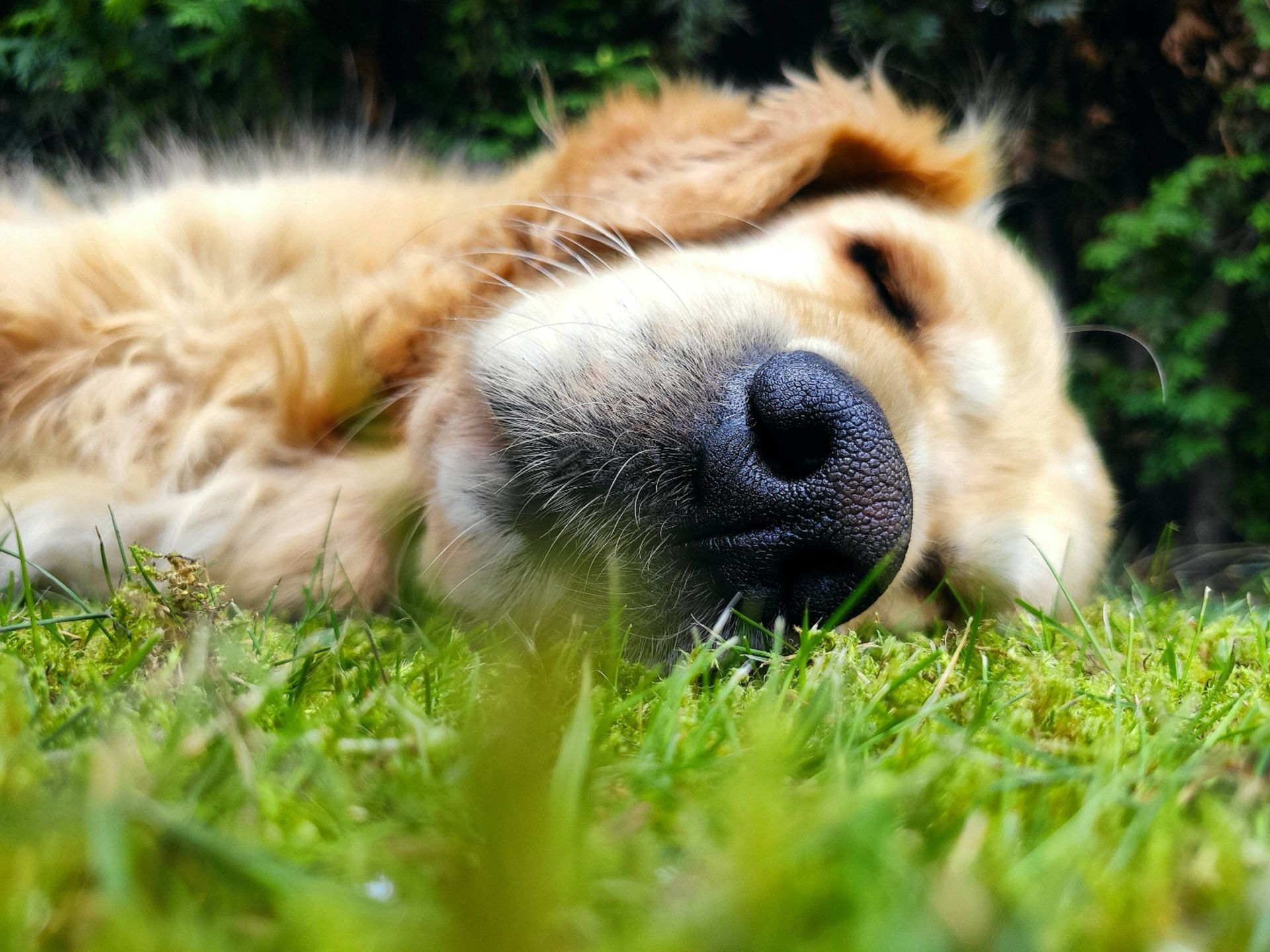
Time to switch to a pet-safe weed killer
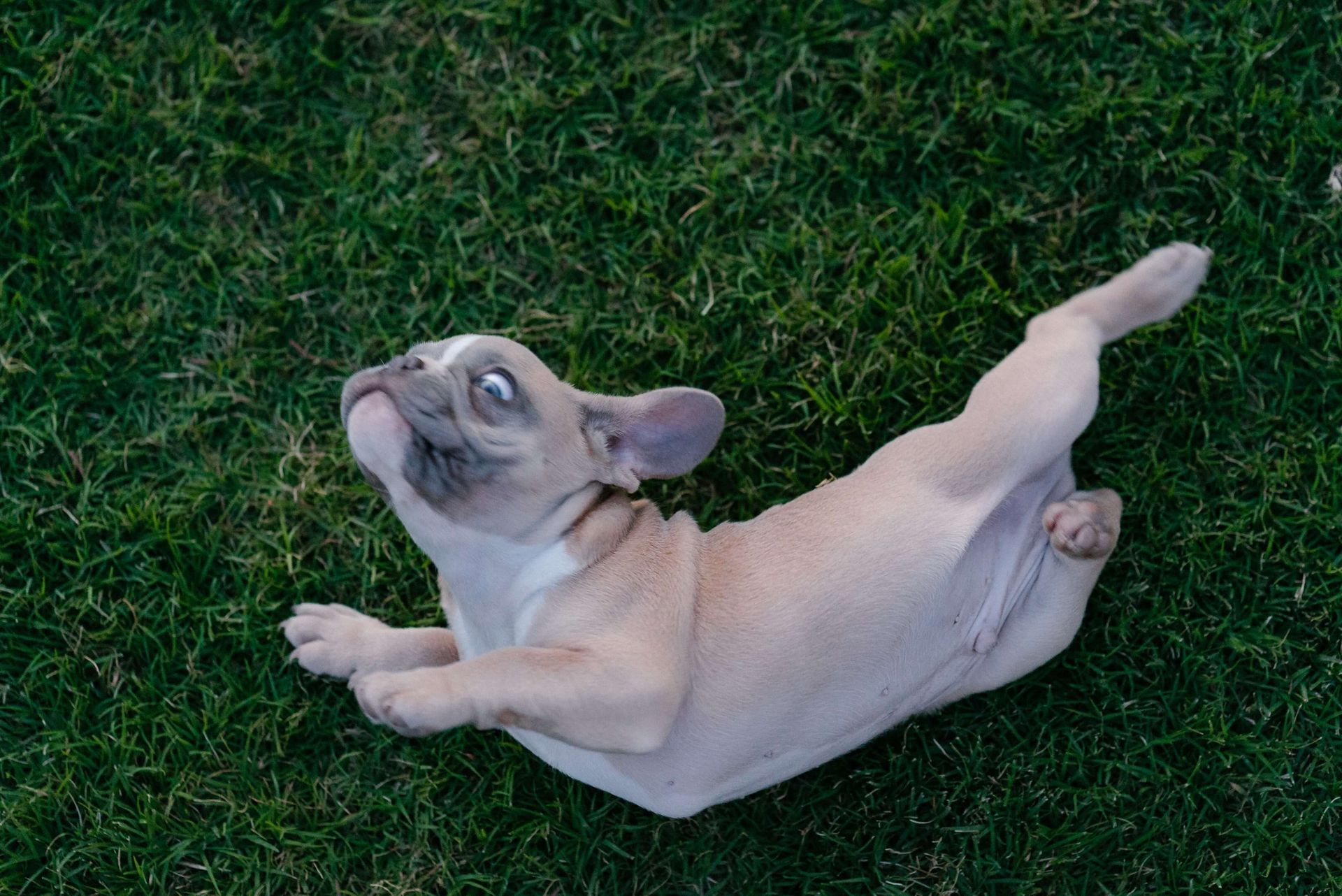
My dog’s favorite activity was always rolling in the grass. Tail and butt wiggling, a crazed look on her face, getting all the itches out or whatever she was doing. What I didn’t know at the time was that the lawn in the community park she visited multiple times daily had been treated with weed killers. Sadly, my dog passed away from cancer, with a huge tumor on her skin, within 3 years of us moving to that neighborhood. The good news is, your dog (or cat, or bunny, or ferret) doesn’t have to suffer the same fate.
What chemicals should I avoid?
If you treat your own yard, for the love of everything that is holy, don’t buy the average herbicides and pesticides from your local Home Depot or Lowe’s. They include chemicals such as glyphosate, 2,4-D, and atrazine, all of which are carcinogenic (read: cancer-causing) not only to pets but to humans as well. However, your pets are much more likely to be exposed to them from walking on the grass with their bare paws and then licking their paws and fur to directly ingest these lawn chemicals. Even if the container says it is safe to walk on after it’s dry, don’t be so sure. A
2022 study from the CDC found that glyphosate was present in 80% of urine samples in the U.S.
If you hire a company to maintain your lawn, chances are even higher that they’re applying toxic chemicals to your yard. Some weed control chemicals are only available commercially, such as paraquat and diquat. The sale of Roundup, the most infamous weed and grass killer containing glyphosate, direct to consumers will end in 2023 to prevent further lawsuits from cancer victims, but the poison will continue to be available to commercially licensed lawn care companies.
What ingredients should you look for in pet-safe weed killer?
Luckily, companies have started to wake up consumer demands and Amazon is chock full of
alternative weed killers. More and more landscaping companies are also offering non-toxic weed control options. Be weary, however, of companies that offer both traditional and non-toxic lawn maintenance - talking out of both sides of their mouth, so to speak. How committed can you be to your customers’ health and well being if you’re willing to poison a part of your customer base?
Look for natural ingredients such as:
* Vegetable oil (suffocates plants and reduces the biomass of weeds.)
* Vinegar (burns the leaves and destroys the weed's cell membranes.)
* Salt (draws moisture from the weed and makes the soil resistant to weeds.)
* Soap or lyme (surfactant, helps other weed control ingredients stick to the plant.)
*Citric acid (strips the protective coating off the leaves and burns out the foliage.)
Does pet-safe weed killer work?
I know, I know, you’re thinking: ”There’s no way this works as well as, basically, napalming your yard with chemicals”. You would be wrong. Our company, Carolina Turf Organic Lawn Care, has been maintaining our customers’ lawns with non-toxic weed control for nearly a decade with incredible results. Yes, there have been the occasional yard that did not respond as well as we expected. But, with a comprehensive lawn maintenance schedule that includes preventative measures such as pre-emergent treatment, lime, and compost fertilizer, the majority of our customers have been pleased with the results.
Related content:
Toxic Lawns: The True Price Of A Pretty Yard
Your Good Boy Deserves A Safe Yard
The Hazards Of Many Herbicides and Pesticides
Is Your HOA Using Toxic Lawn Care Products In Your Neighborhood?