Is Glyphosate Linked to Autism?
Families searching for answers to developmental challenges often end up in the same place: the environment. Glyphosate, the active ingredient in common weed killers like Roundup, has emerged as a significant factor in how environmental toxins interfere with a child's biological development.

How Glyphosate Disrupts the Sulfation Pathway and Detox
Glyphosate is a widely used weed killer that ends up in our soil, water, and food supply. While marketed as safe for humans because it targets a metabolic pathway found only in plants and bacteria, that very "bacterial" focus is exactly where the trouble begins. Human bodies rely on a massive community of gut microbes to perform essential tasks, including managing sulfur.
Sulfur is a basic element required for almost every function in the body. It plays a leading role in detoxification, cell signaling, and the maintenance of the structural integrity of our tissues. We get it from foods, particularly from high-sulfur ones like eggs, garlic, and onions. As our bodies break down sulfur into its usable form, sulfate, a byproduct called sulfite is formed. Normally, an enzyme called sulfite oxidase converts the toxic sulfite into the harmless sulfate. Sulfate plays a central role in detoxification. It helps the liver bind to toxins and make them water-soluble, so they can be safely eliminated from the body. Without enough available sulfate, that process slows down, and toxins can begin to build up.
Dr. Stephanie Seneff, a Senior Research Scientist at MIT, has spent years studying how glyphosate interferes with this particular sulfation pathway. This connection is a factor in how environmental toxins influence the health and development of children on the spectrum. Glyphosate disrupts this process through a two-pronged attack:
- Mimicking Glycine: Because glyphosate is structurally similar to the amino acid glycine, the body mistakenly uses it to build proteins. When glyphosate is misincorporated into the structure of sulfite oxidase, the enzyme becomes misshapen and unable to function.
- Mineral Chelation: Glyphosate acts as a powerful chelator, locking up minerals like molybdenum. Since sulfite oxidase requires molybdenum as a catalyst to work, the enzyme essentially loses its "spark plug."
Dr. Seneff found a specific pattern in children with autism: high levels of sulfate in their urine and very low levels in their blood. Essentially, the body is flushing the usable sulfate it desperately needs instead of keeping it in the bloodstream where it can do its job. When the process breaks down, the body ends up with a double-sided problem: a deficiency in usable sulfate and a toxic buildup of sulfites. This imbalance creates a state of internal stress that can manifest as the behavioral and physical symptoms often associated with autism. Hear more on this fascinating research in the Naturally Recovering Autism with Karen Thomas podcast episode on Apple or Spotify. Even for adults (including myself), an accumulation of sulfites can lead to issues like persistent headaches, skin rashes, joint pain, and brain fog.
Oxidative Stress and the Blood-Brain Barrier
The danger of a broken sulfation pathway lies in how it leaves the brain vulnerable. Sulfate is a primary component in the body’s ability to neutralize oxidative stress, the internal "rusting" that happens when cells are overwhelmed by toxins. Without enough sulfate to fuel detoxification, the brain enters a state of chronic inflammation.
Without enough sulfate, the brain loses one of its primary defenses against oxidative stress.
Inflammation can compromise the blood-brain barrier, which is the protective gatekeeper that keeps circulating toxins out of the central nervous system. When this barrier is "leaky," environmental chemicals can cross over more easily, further disrupting neurological development and communication between neurons. For a child on the spectrum, this means their system is working twice as hard to process basic sensory information while simultaneously fighting off an environmental burden.
The Impact of Agricultural Spraying
Glyphosate is frequently used in large-scale agriculture as a desiccant. Farmers spray wheat, oats, and other crops with glyphosate right before harvest to dry them out quickly. Because the chemical is applied so close to harvest, it enters the seed and directly contaminates the food supply. For children with autism, who often already have sensitive digestive systems, exposure can be devastating.
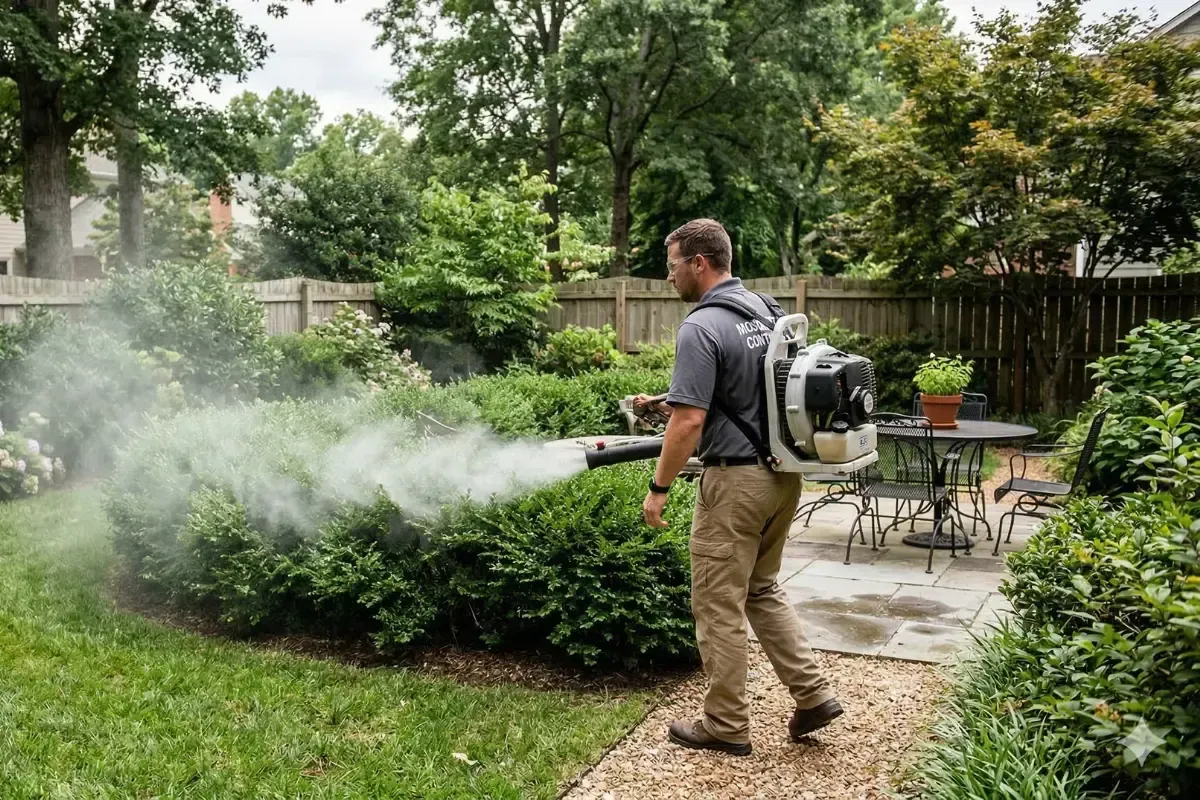
Inhaling the chemical is just as problematic as eating it. When a neighbor sprays their yard, the drift can reach your yard either by air or through water runoff. The majority of HOAs, municipalities, and cities use chemical herbicides, including Roundup, to treat their public areas, parks, fields, and playgrounds. A common misconception in lawn care is that once a spray has dried, the danger has vanished. In reality, glyphosate is designed to stay. It does not simply "disappear" into thin air after the liquid dries on a blade of grass. It adheres to the soil and the plant material, persisting in the environment for weeks or even months.
As children play or pets run through the treated area, they disturb the dry residue which creates glyphosate-laden dust that is easily inhaled through the nostrils. This direct path is particularly concerning because the nasal passages provide a bypass to some of the body's primary filters, allowing the chemical to reach the blood-brain barrier more quickly.
Supporting the Sulfation Pathway
Supporting the sulfation pathway requires a gradual, individualized approach. When the body struggles to process sulfur, temporarily reducing high-sulfur foods like eggs, garlic, and onions can help calm symptoms. That said, sulfur is essential. The goal is not long-term avoidance, but giving the body space to rebalance before slowly reintroducing these foods as tolerance improves.
Epsom salt baths can provide magnesium sulfate through the skin, bypassing the gut entirely. However, some people find them too intense at first. Starting with short exposures or lower concentrations, even through foot baths, and building up over time often works better than jumping in too quickly.
Progress tends to come from supporting the body’s overall capacity: reducing chemical exposure, improving gut health, and replenishing key minerals so sulfur can be properly processed rather than accumulating as a stressor.
Transitioning to an Organic Lifestyle
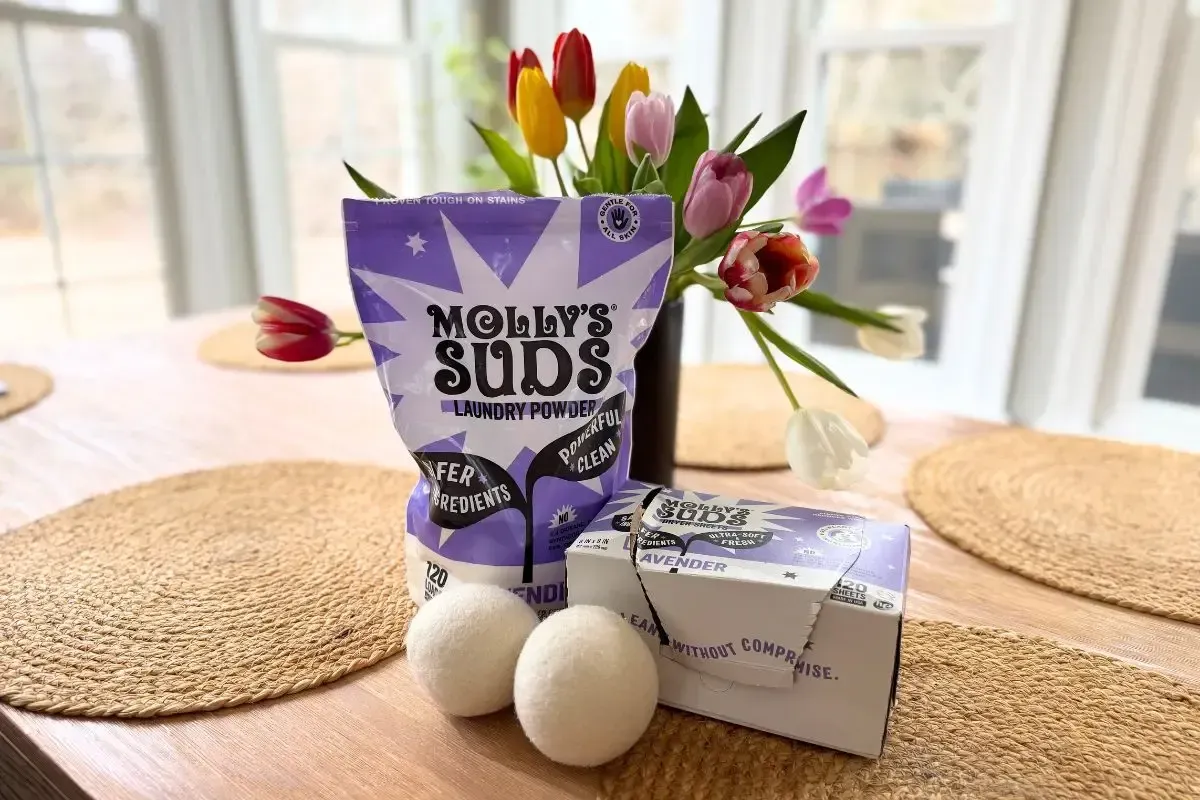
Once the internal burden is reduced, the focus shifts to limiting ongoing exposure. Switching to an organic diet and detoxifying your home from dangerous household chemicals are the most effective ways to reduce glyphosate exposure. Read more about our favorite non-toxic household products in our blog. Organic standards prohibit the use of synthetic herbicides in food, which helps protect the gut microbiome and allows the sulfation pathway to begin healing.
Focusing on these dietary changes can help restore balance:
- Prioritize organic grains: Since wheat and oats are often heavily sprayed before harvest, switching to organic versions reduces a major source of toxin intake.
- Choose organic produce: Thin-skinned fruits and vegetables often carry higher levels of residues from lawn and farm chemicals.
- Filter your water: Glyphosate can leach into groundwater, so a high-quality water filtration system adds an extra layer of protection.
Moving toward a cleaner environment also involves looking at how we manage our own outdoor spaces. Traditional lawn care often relies on the very chemicals that disrupt these internal pathways. Organic lawn care focuses on building healthy soil and using natural minerals to keep grass green, eliminating the need for toxic weed killers.
Outcomes of Reducing Chemical Exposure
When the burden of glyphosate is removed, the body's natural detoxification systems can finally catch up. The liver uses sulfate to make toxic chemicals water-soluble, allowing them to be shipped out of the body. When sulfate levels are restored, the body regains its ability to bind and eliminate toxins more efficiently. If the sulfation pathway is broken, these toxins stay in the system and become increasingly harmful.
Fixing this pathway often leads to real-world improvements in a child’s daily life. Better circulation and cleaner cellular environments in the brain can result in improved communication, better sleep, and fewer sensory meltdowns. The goal is to move from a state of toxic overload to a state of biological balance.
Protecting your child from glyphosate safeguards the complex biological machinery that supports their brain and body's health. By choosing organic food and a clean, non-toxic environment, you are removing a significant obstacle to their growth and recovery.