The Monsanto Papers: What Every Homeowner Should Know About the First Roundup Trial
The Monsanto Papers: Deadly Secrets, Corporate Corruption, and One Man's Search for Justice, by Carey Gillam, kept me up at night. I didn’t want to stop reading, but it also gave me such an uneasy feeling, realizing what Gillam portrays as a deeply troubling relationship between Monsanto, regulators, and profit incentives. The book is a detailed account of the first court case brought to trial against Monsanto (now Bayer) for causing a groundskeeper’s cancer from using glyphosate.
In the book, Gillam dismantles the carefully constructed image of a corporate giant. While the book was published in 2021, and the verdict awarding the groundskeeper, Lee Johnson, $289 million in damages came in 2018, Bayer’s dirty tactics continue to this day.
In February 2026, President Trump signed an executive order titled “Promoting the National Defense by Ensuring an Adequate Supply of Elemental Phosphorus and Glyphosate-Based Herbicides.” In the text of the order, the administration invokes the Defense Production Act to declare that maintaining a stable supply of both elemental phosphorus and glyphosate-based herbicides is “crucial to national security and defense, including food-supply security.” The directive gives authority to the U.S. Secretary of Agriculture to prioritize production and allocation of these chemicals and states that the order “confers all immunity provided for in section 707 of the Act.”
Full text of the executive order:
Promoting the National Defense by Ensuring an Adequate Supply of Elemental Phosphorus and Glyphosate‑Based Herbicides (WhiteHouse.gov)
The order frames glyphosate as essential to food security. Gillam’s book, however, raises questions about how the product was brought to market, including allegations of ghostwritten research, regulatory influence, and aggressive public-relations campaigns revealed during litigation.
The Case Linking Glyphosate to Non-Hodgkin Lymphoma
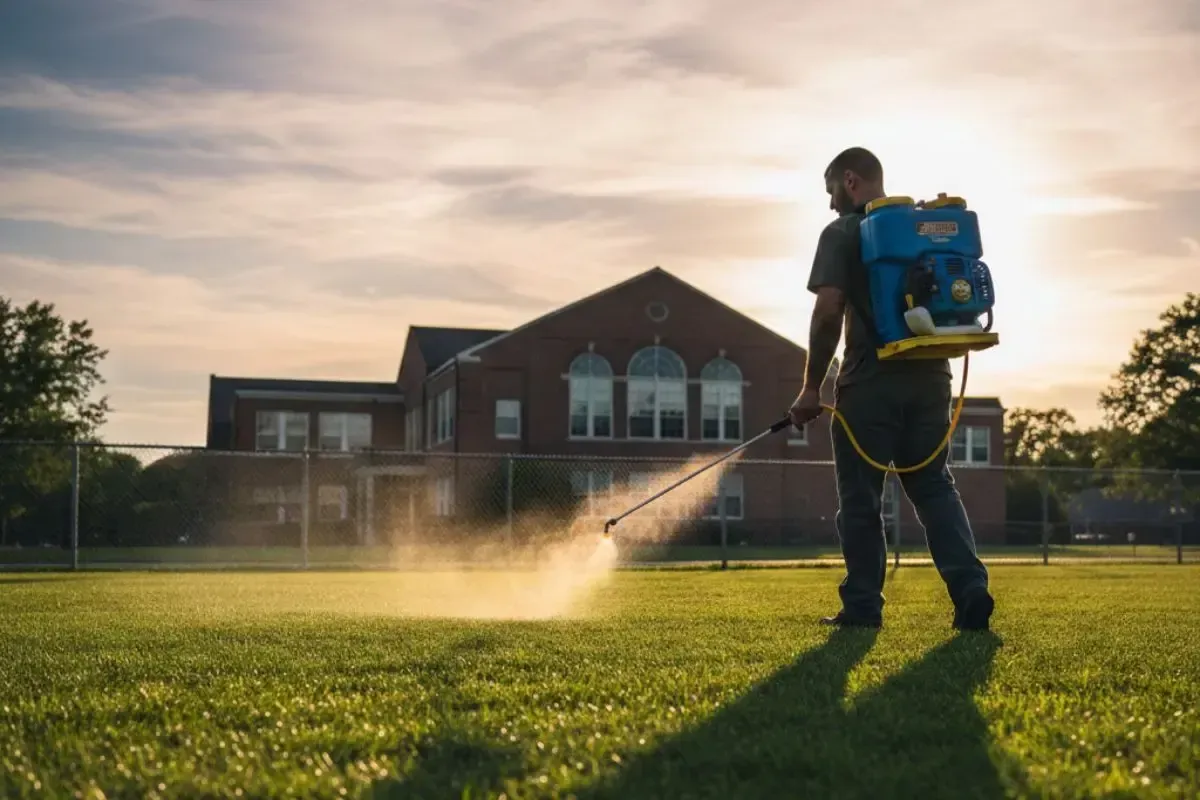
Johnson was a school groundskeeper, a man just trying to do his job and provide for his family. His life changed forever after he was accidentally doused with Ranger Pro, a high-concentration glyphosate herbicide.
The book follows his journey from a terrifying diagnosis of non-Hodgkin lymphoma to becoming the first person to take Monsanto to trial. Gillam's writing makes you feel the weight of his skin lesions and the exhaustion of his medical treatments.
The government claims glyphosate is essential for national security because of its role in industrial farming. If we buy into that argument for a moment, we still have to ask why it remains so prevalent in non-agricultural settings, such as lawns.
If you’re into legal drama, this story takes you behind the scenes with the lawyers across the country who came together to bring Monsanto to justice. While it’s a heavy read and at times long-drawn, Gillam manages to turn a complex toxic tort case into a high-stakes thriller. The good news is that the book is being adapted into a movie, which will hopefully be released by the end of 2026.
What the "Papers" Actually Revealed
The "Monsanto Papers" aren't a single document. They are a trove of Monsanto’s internal emails, memos, and reports that the public was never supposed to see. When lawyers finally forced these into the light, they found evidence of a corporate culture that prioritized market share over human health.
Gillam highlights several key revelations that every homeowner and parent should know:
- Ghostwriting: Monsanto employees frequently drafted "independent" scientific papers and then paid reputable scientists to put their names on them.
- Regulatory Capture: Internal emails revealed a cozy, almost collaborative relationship between Monsanto and high-ranking EPA officials, especially Jess Rowland, a former Deputy Division Director in the EPA’s Office of Pesticide Programs, who also chaired the agency’s Cancer Assessment Review Committee during the glyphosate review process.
- Discrediting Critics: The company operated a "fusion center" to monitor and attack journalists, scientists, and activists who questioned glyphosate's safety.
- Suppression of Science: While the public was told the product was "safe enough to drink," internal communications showed scientists expressing concern about the testing protocols for the full chemical formulations.
Glyphosate in Food vs. Glyphosate on Lawns
The recent executive order highlights a massive contradiction that Gillam’s book helps us understand. The government claims glyphosate is essential for national security because of its role in industrial farming. If we buy into that argument for a moment, we still have to ask why it remains so prevalent in non-agricultural settings, such as lawns.
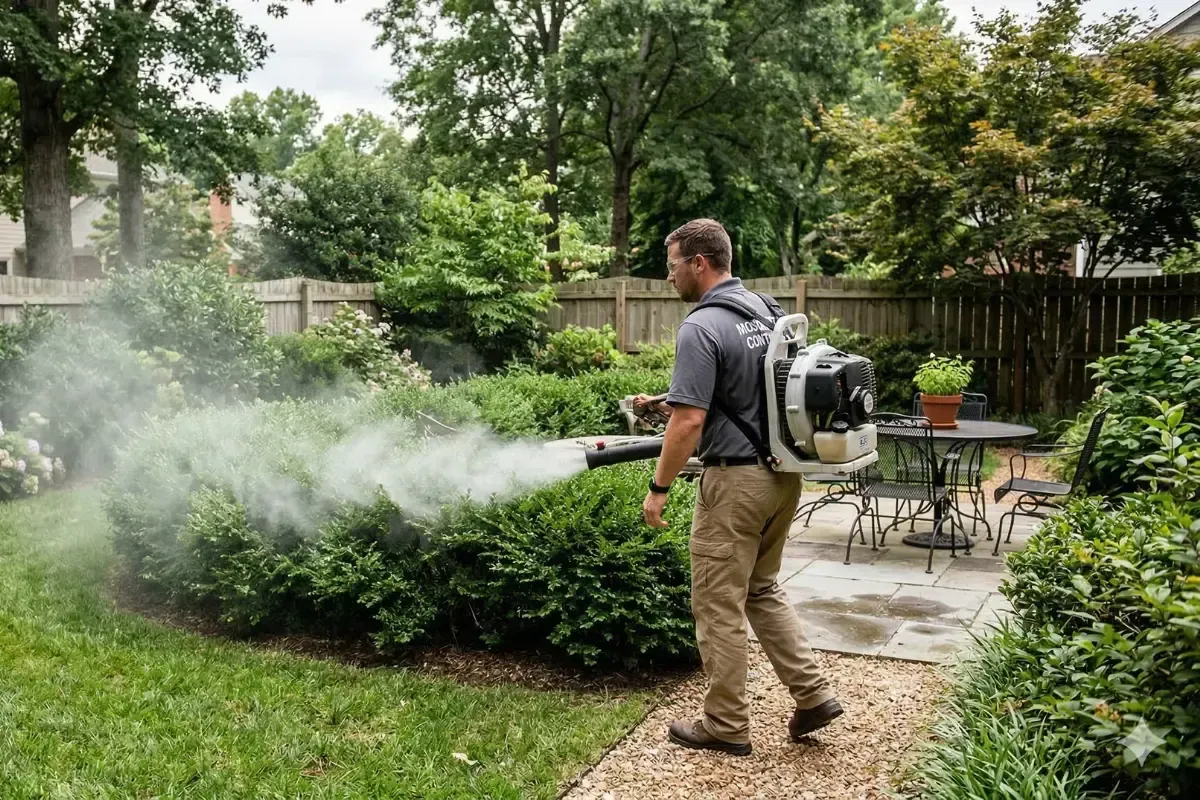
We are still spraying this "national security asset" on elementary school playgrounds, suburban lawns, and public parks. While Bayer removed glyphosate from Roundup available to homeowners at your local Home Depot and Lowes (and replaced it with other toxic ingredients), glyphosate is still readily available to professional landscapers.
Whatever one believes about glyphosate’s role in large-scale agriculture, its routine use on suburban lawns is a separate question. Homeowners are not feeding the world. They are maintaining the property, and safe alternatives exist.
A Conflict of Interest
By invoking Section 707 immunity provisions under the Defense Production Act, the order could limit liability for companies complying with its directives — a point that critics argue may complicate future litigation. This is a direct response to the "avalanche of lawsuits" Gillam describes so vividly. Bayer, which bought Monsanto in 2018, has been struggling under the weight of billions of dollars in settlements.
By declaring the chemical a tool of national defense, the administration is making it much harder for future "Lee Johnsons" to seek justice. It creates a reality where a corporation can be shielded from the consequences of its own internal documents. Gillam’s book is the perfect primer for understanding why this legal shielding is so dangerous. It shows exactly what happens when a company is allowed to police itself.
Read more about the fight for immunity in our recent blog:
Does Weed Killer Cause Cancer? Roundup of the Epic Battle for Truth
The Verdict on the Book
Carey Gillam has a gift for making "dry" subjects feel electric. She doesn't drown you in jargon. Instead, she leads you through the discovery process like a detective. While the book includes tangents irrelevant to the story, such as the lawyer’s struggles with epilepsy and drugs, and eventually an unrelated extortion plot, it’s mostly centered on proving Johnson’s case.
It is a polished, fast-paced read that manages to stay human throughout. Even if you don't have a background in science or law, the story is easy to follow and deeply impactful.
Key Takeaways from The Monsanto Papers
To help you decide if this is your next read, here are the core points Gillam establishes:
- Most safety tests focus solely on glyphosate, but Gillam explains that the "surfactants" added to the product can make it much more toxic to human cells than glyphosate alone.
- The book details the war that broke out when the International Agency for Research on Cancer (IARC) labeled glyphosate a "probable carcinogen," and the lengths Monsanto went to discredit that finding.
- Without the legal process of discovery, the internal emails showing the company's true feelings about their own product would have stayed buried forever.
- The story serves as a warning about what happens when a single company gains too much influence over the agencies meant to regulate it.
With the 2026 executive order effectively doubling down on glyphosate use, The Monsanto Papers serves as a necessary counter-narrative. It reminds us that "national security" should start with the health of the people living within those borders.
If you care about what is being sprayed in your neighborhood or why your favorite lawn products are suddenly a matter of federal defense, you need to read this book. It is a brilliant, sobering look at the intersection of corporate power and public health.
Visit our services page to sign up for organic lawn care in the Raleigh-Durham, NC area.