February Lawn Care in Raleigh-Durham
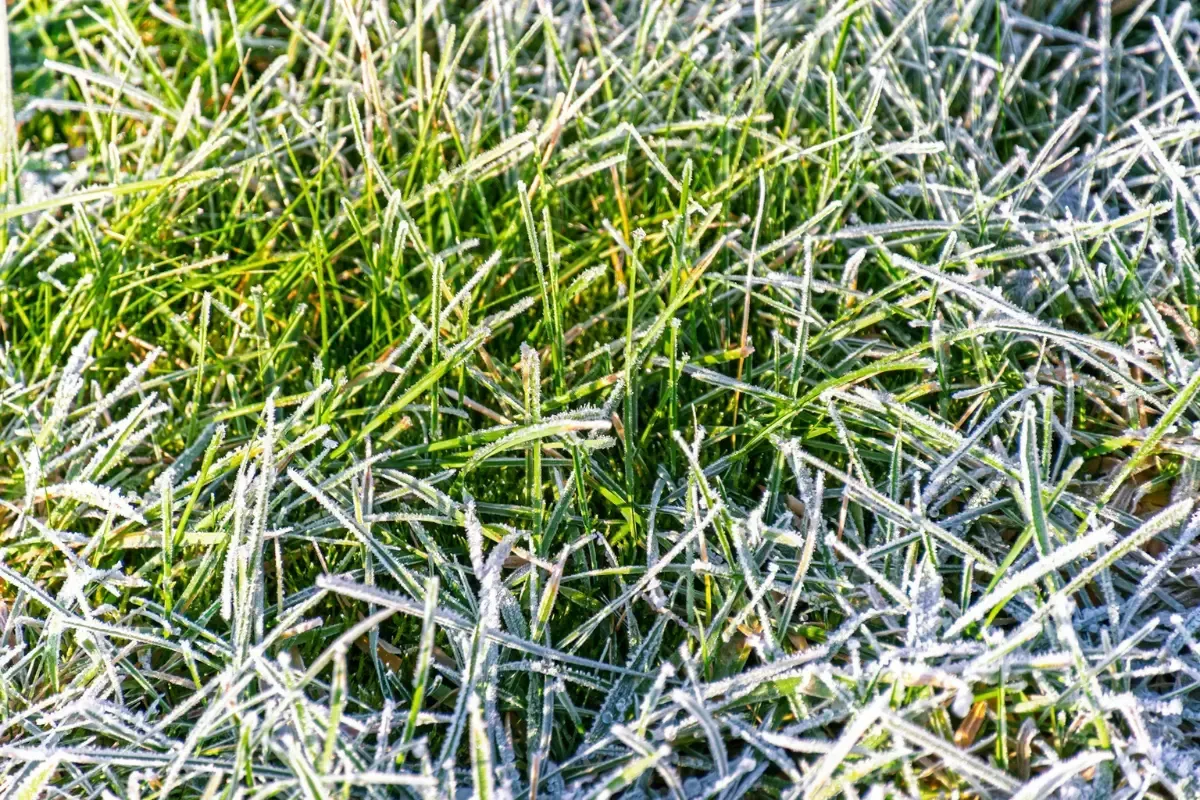
February in the Carolinas often feels like a tug-of-war between late winter chills and those sudden, teasing afternoons of warmth. While the neighbors might be waiting for the first official day of spring to get moving with their yard, the real magic happens underground during these shorter days.
Taking a proactive approach in February prevents a massive headache once the heat and humidity return. Our focus this month is on two heavy hitters for soil health: organic pre-emergents and lime. Both treatments do the invisible heavy lifting that determines whether your grass thrives or struggles once the heat arrives.
The Benefits of Organic Pre-Emergent
Weeds are opportunistic. They wait for the exact moment the soil hits a specific temperature to wake up and take over. Once they sprout, you are stuck in a cycle of reactive spraying. Using a pre-emergent changes that dynamic by stopping the problem before it starts.
What Is Corn Gluten Pre-Emergent?
Corn gluten meal is a natural byproduct of the corn milling process that serves as a non-toxic weed suppressant and a slow-release fertilizer. It works by releasing organic compounds that prevent tiny weed seedlings from developing the roots they need to survive. When a seed germinates in soil treated with corn gluten, it cannot anchor itself, and it quickly withers away
.Using this organic option offers several advantages for your property:
- You can let the dogs and kids run on the grass immediately after application without worrying about synthetic chemical residues.
- Corn gluten contains about 10% nitrogen by weight, giving your lawn a gentle, natural feeding that encourages green-up without the risk of nitrogen burn.
- Unlike harsh chemicals that can degrade soil biology, organic matter helps support the beneficial microbes living in your dirt.
- While synthetic products might offer a quick fix, corn gluten becomes more effective over several seasons of consistent use as it builds a barrier in the seed bank.
Downsides of Synthetic Pre-Emergent
Root Stunting (The "Vapor Barrier" Effect)
Synthetics like Prodiamine work by stopping cell division in roots. The problem is that these chemicals don't always distinguish between a weed seed and your actual grass. If your lawn is trying to recover from a rough winter or if you plan to do any spring seeding, these synthetics create a "pruning" effect. They can stop your grass from developing the deep, resilient root system it needs to survive a 95°C July in the Carolinas. You end up with a lawn that looks okay on top but is fragile underneath.
Soil Sterilization
Think of your soil as a living community of microbes and fungi. Synthetic pre-emergents are essentially lab-created salts and compounds that can be harsh on this "micro-herd." Over time, relying on these chemicals can leave your soil "lazy" and addicted to synthetic inputs because the natural biological activity has been suppressed. Once that happens, your lawn loses its ability to fight off disease naturally.
Runoff and Local Waterways
Because the Raleigh-Durham area has so much non-porous red clay, heavy spring rains often wash these synthetic chemicals right off the lawn and into our local storm drains. Unlike organic corn gluten, which stays put and breaks down into plant food, synthetic "yellow stuff" can end up in our local creeks and ponds, contributing to chemical buildup in the regional ecosystem.
The "Yellow Tracking" Problem
It sounds like a minor annoyance until it happens to you. Pendimethalin is notorious for staining everything it touches. If a pet runs through a treated yard before it's perfectly watered in, they track bright orange-yellow dye onto your carpets and furniture. More importantly, you're then dealing with a chemical film inside your home that was designed to sit on a dirt lot for three months.
Balancing Your Soil with Lime
Most homeowners in North Carolina deal with naturally acidic soil. This acidity acts like a lock on a door, preventing your grass from actually "eating" the nutrients available in the ground. You could apply the best fertilizer in the world, but if your soil pH is too low, the grass simply cannot absorb it.
Why apply lime in February?
Lime is a soil amendment made from ground limestone that raises the pH level of your soil, making it more alkaline and less acidic. February is an ideal time for this application because lime takes several months to fully break down and move into the root zone. Applying it now ensures the soil chemistry is balanced by the time the spring growing season begins.
The benefits of a well-timed lime application include:
- Better nutrient uptake: Correcting the pH "unlocks" essential minerals like nitrogen, phosphorus, and potassium.
- Healthier root systems: Grass grown in balanced soil develops deeper, stronger roots that handle summer droughts much better.
- Reduced moss and weeds: Many common lawn pests, including moss and certain broadleaf weeds, thrive in acidic soil. Making the soil better for grass makes it less hospitable for the stuff you don't want.
- Improved fertilizer efficiency: You get more "bang for your buck" from every subsequent treatment because the plant is actually able to use the fuel you provide.
Essential February Maintenance Tasks
Beyond the professional treatments, a few simple chores can set your lawn up for success. February is the perfect time to clear the deck and prepare for the busy months ahead.
Clean up lingering debris
Winter storms often leave behind a layer of fallen branches, pinecones, and matted leaves. These piles trap moisture against the grass blades and block out sunlight, which can lead to fungal issues like large patch or snow mold. Spending an hour raking up these stray bits allows the soil to breathe and ensures your pre-emergent treatment reaches the ground instead of getting stuck on top of a leaf.
Check your equipment
Spring rushes in faster than most people expect. Avoid the long wait times at repair shops by checking your mower now. Sharpening the blades is one of the most impactful things you can do for your grass. A dull blade tears the grass, leaving jagged edges that turn brown and invite disease. A clean, sharp cut allows the plant to heal quickly and stay vibrant
Why Organic
Choosing organic treatments like corn gluten is about playing the long game. Conventional lawn care often relies on a "boom and bust" cycle of heavy chemicals and quick-release salts. This can create a lawn that looks great for a week but lacks the internal strength to survive a Carolina summer.
Organic practices focus on the foundation. By feeding the soil and using natural suppressants, you are creating an ecosystem where the grass is strong enough to crowd out weeds on its own. It takes a little more patience, but the result is a resilient, deep-green lawn that is safe for everyone who uses it. If you need a little help with your lawn without using toxins, check out all of Carolina Turf
organic services and sign up online.