Alpha-gal Syndrome and the Lone Star Tick in Raleigh
Ticks are no longer just a nuisance you find on the dog after a hike; they have moved into our suburban lawns around Raleigh, bringing life-altering diseases. We’re all familiar with Lyme disease, but a new, scary tick-borne disease called Alpha-gal syndrome causes a life-threatening meat allergy.
The Growing Threat of Alpha-gal Syndrome in North Carolina
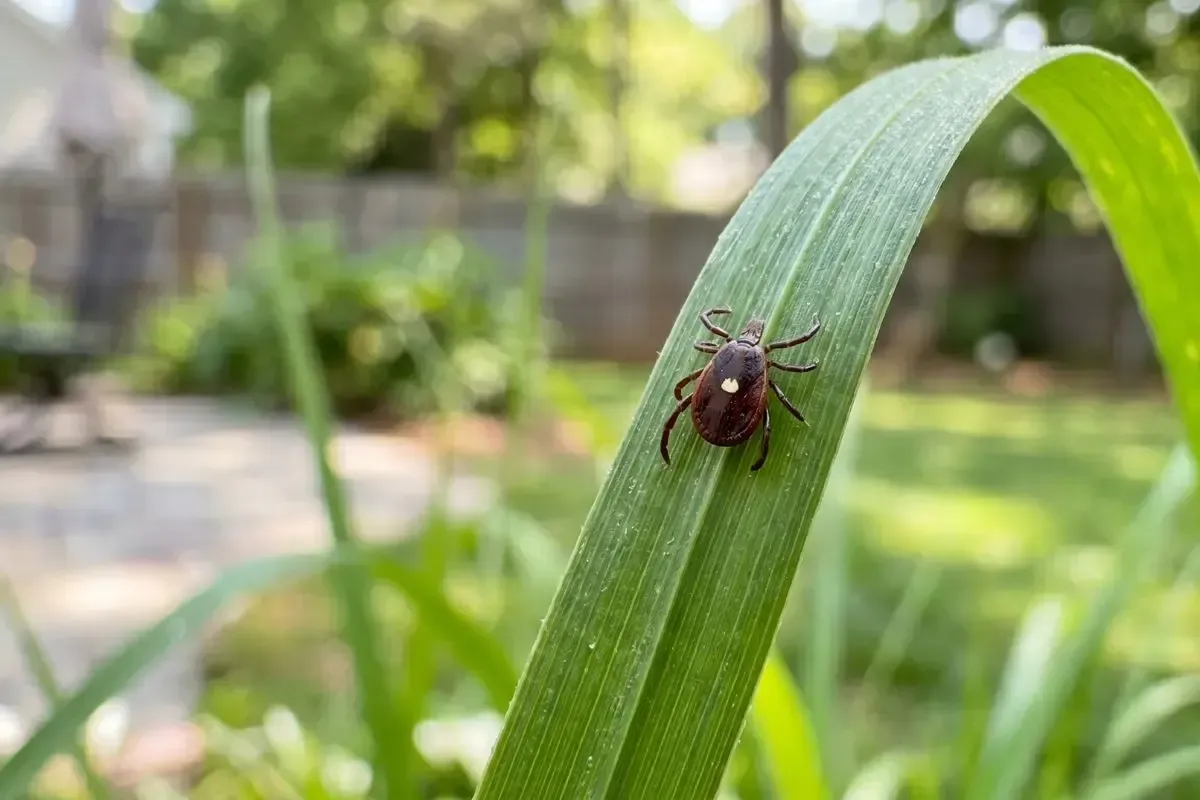
The Lone Star tick, easily identified by the white dot on the back of the adult female, carries a unique and life-altering risk of Alpha-gal syndrome (AGS). Alpha-gal syndrome is a serious, potentially life-threatening allergic reaction to red meat and other products derived from mammals.
When this tick bites a human, it can transmit a sugar molecule called alpha-gal into the person's system. In some people, the immune system reacts by producing antibodies. The next time that individual eats beef, pork, or lamb, their body triggers an allergic reaction. These symptoms can range from hives and stomach cramps to full-blown respiratory distress.
The most frustrating part of Alpha-gal syndrome is the delayed reaction. Unlike a peanut allergy that happens almost instantly, a reaction to red meat often occurs three to six hours after eating. Many victims of Alpha-gal have reported waking up in the middle of the night with a terrifying medical emergency, never suspecting the burger they had for dinner or the tick bite they got weeks prior. At least three people have reportedly died from anaphylaxis caused by Alpha-gal syndrome. Reducing the tick population in your immediate environment is the most effective way to prevent this diagnosis.
Understanding the Danger of Lyme Disease and Anaplasmosis
Lyme disease also remains a significant concern for Triangle families, specifically involving the black-legged tick, also called the deer tick. Because these ticks are often no larger than a poppy seed in their nymph stage, many people never even realize they were bitten while working in their garden. Early symptoms often mimic the flu, including fever, chills, and fatigue. If left untreated, the infection can spread to the joints, the heart, and the nervous system, leading to years of joint pain and "brain fog."
These same deer ticks also carry Anaplasmosis, often referred to as "tick fever." In humans, this usually feels like a sudden, severe flu with high fever and muscle aches. Because it rarely causes a rash, it is often misdiagnosed.
Keeping Your Pets Safe in the Grass
Our dogs and cats are often the first members of the family to encounter ticks because they spend their time sniffing through tall grass and bushes. Ticks can cause many of the same issues in pets that they do in humans, but the symptoms can be much harder to spot.
- Anaplasmosis in Pets: This infection targets white blood cells or platelets. You might notice your dog suddenly acting stiff or reluctant to move, almost as if they had developed arthritis overnight.
- Rocky Mountain Spotted Fever (RMSF): North Carolina is a primary hotspot for this disease. In dogs, it causes a sudden high fever and swelling in the limbs. While humans get characteristic spots, you won't see a rash on a furry pet. Instead, they may act lethargic or stumble.
- Tick Paralysis: Beyond infection, certain female ticks secrete a toxin that affects the nervous system. This usually starts with weakness in the back legs and can progress to total paralysis.
Preventing these parasites from ever hitching a ride is a more effective approach for your four-legged friends than merely trying to find a tiny tick buried in thick fur.
Creating a Tick-Resistant Backyard in the Triangle
A professional spray is your strongest line of defense, but you can further protect your family by making a few simple changes to your property. Ticks love moisture and shade. They cannot survive for long in dry, sunny areas.
- Keep the grass short: Regular mowing reduces the humidity at the ground level where ticks hide.
- Clear the perimeter: Remove leaf litter, brush piles, and tall weeds from the edges of your lawn.
- Create a dry barrier: Using wood chips or gravel between your lawn and any wooded areas creates a barrier that ticks are hesitant to cross.
- Manage wildlife: Deer and rodents are the primary transporters of ticks. Keeping trash secured and using deer-resistant plants helps keep these hosts away from your house
Why Organic Beats Synthetic Pesticides
Most Raleigh homeowners have used or seen services advertised as a "mosquito shield" or "perimeter pest" plan. These traditional programs rely on a class of chemicals called synthetic pyrethroids, like bifenthrin, permethrin, and cyfluthrin. While these are based on compounds found in chrysanthemums (a natural source), they are lab-engineered to be much more toxic and to persist on your grass for weeks at a time.
While these chemicals are often marketed as safe once dry, they’re far from safe.
- Neurotoxicity and Skin Reactions: Exposure to bifenthrin and permethrin can cause tingling, burning, or numbness on human skin. If inhaled during application, these chemicals irritate the nose, throat, and lungs. For pets, even dried residue can lead to vomiting, diarrhea, and in more severe cases, tremors or "paw flicking" as their nervous systems react to the toxin.
- Endocrine Disruption: Recent studies have identified several synthetic pyrethroids as endocrine-disrupting chemicals (EDCs). This means they can mimic or block natural hormones in the body. Long-term exposure is being studied for its links to reproductive issues and developmental delays, which is particularly concerning for households with young children whose bodies are still growing. Read more about pesticides' effect on fertility https://www.carolinaturf.com/lawn-pesticides-and-infertility
- The Danger to Cats and Aquatic Life: Cats are uniquely sensitive to pyrethroids because their livers lack the enzymes to break them down efficiently. Exposure can be life-threatening for them. Additionally, these chemicals are highly toxic to fish and pollinators. If you live near a Raleigh creek or have a backyard koi pond, runoff from a heavy rain can cause an ecological disaster in your own backyard.
- Chemical Resistance:
Ticks are adaptive. When a yard is sprayed repeatedly with the same synthetic "hammer," the surviving ticks pass on their resistance. This creates a cycle where companies have to use stronger, more frequent applications to get the same results, further increasing the chemical load on your property.
How Garlic Fogging Works as an Alternative
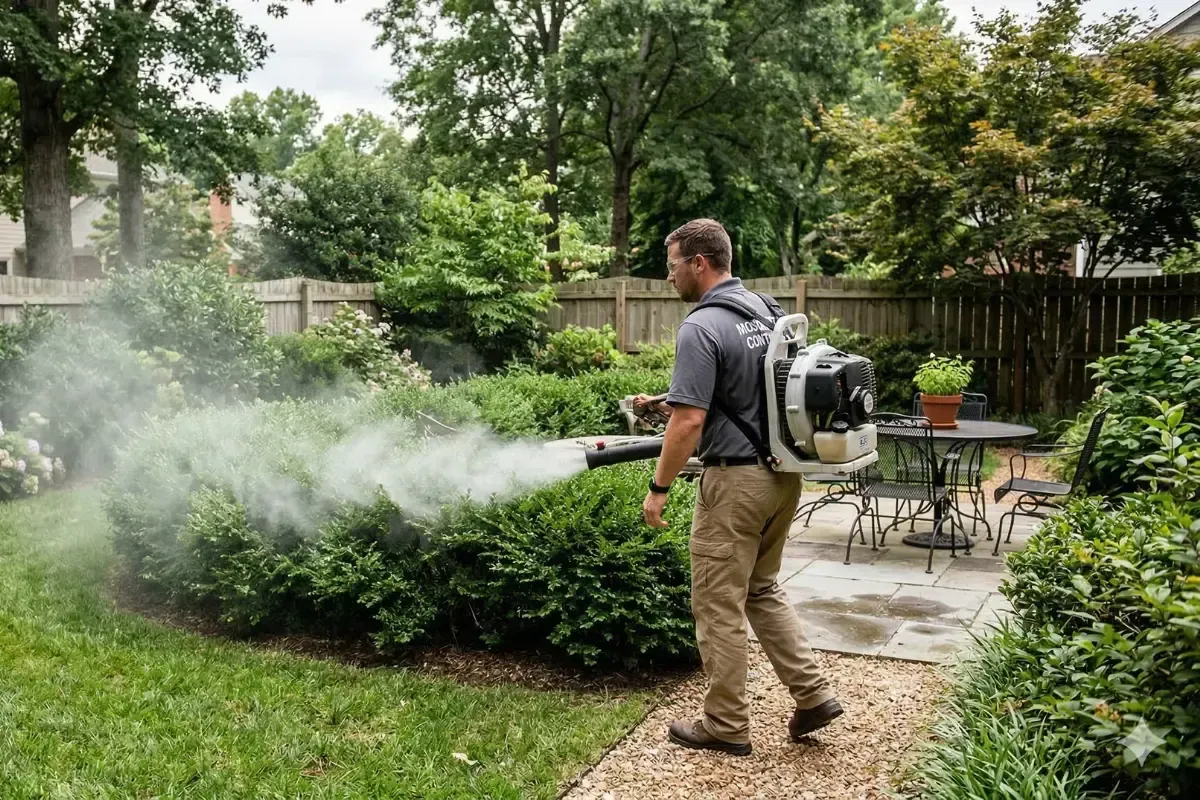
Many homeowners feel they have to choose between effective pest control and an organic lifestyle. Carolina Turf uses a specialized garlic-based product that challenges that assumption. Garlic is a natural powerhouse when it comes to repelling unwanted insects and arachnids.
Ticks are highly sensitive to scent. Their survival depends on their ability to detect heat and carbon dioxide from a passing host. The sulfur compounds in concentrated garlic mask these triggers and create an environment that ticks find repulsive. While humans might notice a faint scent of garlic for a short time after application, the odor quickly becomes undetectable to us. For a tick, the scent remains a powerful deterrent for weeks.
- Garlic kills on contact: The natural oils in our spray can eliminate soft-bodied insects and ticks that are present during application.
- Repellency lasts: The scent creates a "keep out" zone that prevents new ticks from migrating into your treated areas.
- Safe for beneficials: Garlic-based sprays are generally much safer for bees, butterflies, and earthworms compared to broad-spectrum synthetic poisons.
Take Back Your Outdoors
The peace of mind that comes with a tick-free yard is priceless. By understanding the risks of diseases like Alpha-gal and Lyme, and choosing a safe, organic way to combat them, you are making a long-term investment in your family’s well-being.
Reclaiming your backyard starts with a simple choice to move away from harsh chemicals. A garlic-based barrier provides a professional-grade solution that works in harmony with nature. Let's make your lawn a place of joy and relaxation again, free from the shadow of tick-borne illnesses.