Is Your Pet's Flea & Tick Prevention Doing More Harm Than Good?
In Raleigh, NC, our long, humid summers create a paradise for fleas, ticks, and the mosquitoes that carry heartworm. Most pet owners head straight to the vet or the pet store for a quick fix, usually in the form of a pill, a chewable, or a liquid squeezed onto the back of the neck. But have you considered how dangerous these chemicals are for your furry friend?

The Problem with Conventional Pesticide-Laden Flea & Tick Prevention
Most popular flea and tick preventatives are actually systemic pesticides. A systemic product works by entering your pet's bloodstream. When a flea or tick bites your dog, the insect ingests the poison and dies. Common brand names like NexGard, Simparica, and Bravecto belong to a class of chemicals called isoxazolines. While they are effective at killing bugs, the FDA has issued alerts regarding this specific class of drugs because they are associated with neurological issues in pets.
Symptoms of a reaction can include tremors, loss of muscle control, and even seizures. Some pets experience these side effects immediately, while for others, the toxic load builds up over time. Another common ingredient found in topical treatments like Frontline is fipronil. This chemical sits in the oil glands of the skin and can cause localized irritation, hair loss, or more severe systemic reactions if absorbed in high amounts.
Flea & Tick Medicine Chemical Ingredients and Their Risks
Understanding what goes into these "prevention" products helps you make a better choice for your home. Many over-the-counter collars and sprays contain pyrethroids or organophosphates. These are heavy-duty chemicals designed to attack insects' nervous systems, but they can be incredibly harsh on pets and their pawrents.
- Isoxazolines (Afoxolaner, Fluralaner, Sarolaner): These are found in the most popular chewables. They stay in your dog's system for 30 to 90 days, meaning once your pet eats the pill, there is no way to remove the chemical if a reaction occurs.
- Fipronil: Used in topicals, this pesticide is known to be a possible human carcinogen and has been linked to thyroid issues in laboratory studies.
- Permethrin: Often found in cheaper sprays and collars, this is highly toxic to cats and can cause severe tremors or death if a cat accidentally comes into contact with a treated dog.
Relying on these poisons creates a cycle of toxicity in your pet's body. Your dog’s liver and kidneys have to work overtime to filter these substances out, which can lead to long-term health complications that far outweigh the temporary convenience of a pill.
The Reality of Heartworm in North Carolina
Heartworm is a topic often used to scare pet owners into a lifetime of monthly chemical purchases. While the risk is real, the way it is presented is often misleading. Heartworm is a parasitic roundworm spread by mosquitoes, but it can only be transmitted under very specific conditions. For a mosquito to transmit heartworm to a dog, the temperature must remain above 57°F day and night for at least two weeks straight. If the temperature dips below that for even a few hours, the larvae cannot develop into the infective stage inside the mosquito. Therefore, your dog doesn’t need a year-round chemical "safety net" that never takes a break.
Most conventional heartworm pills are insecticides that wait for your dog to be infected and then kill the larvae after the fact, so they’re not “preventatives” exactly. Because of how the larvae grow, if you choose to use a chemical like Ivermectin, it can often be given at six-week intervals rather than the standard four, reducing the chemical load while still catching the larvae in their vulnerable window. There is now also growing evidence of "superbug" heartworms that are becoming resistant to these drugs because we are overusing them, so it benefits us all to be more intentional about how we treat our dogs.
Natural Defenses for Your Pet
Shifting away from internal pesticides makes you want to find external solutions that repel pests before they ever land. Essential oil collars and sprays offer a potent alternative to chemical treatments. High-quality essential oils like cedarwood, peppermint, lemongrass, and rosemary are natural repellents that insects find unbearable.
Cedar oil is particularly effective because it blocks the octopamine receptors in pests, which are essential for their movement and metabolism. Unlike systemic drugs, these oils sit on the surface of the fur and create a "scent shield." You are essentially making your dog invisible to the bugs. Using a natural spray before a hike or a trip to the park provides immediate protection without the neurological risks associated with isoxazolines. We bought our cat's flea & tick collar from
Fur LIfe and never saw them on Leo last summer. Granted he's mostly an indoor cat, but he does go our to our backyard to meet up with his girlfriend from the neighbor's house.
Protecting Your Yard with Garlic
Your backyard is the frontline in the war against fleas and ticks. Instead of spraying synthetic chemicals that kill bees, butterflies, and beneficial soil microbes, you can use a concentrated garlic spray. Pests have a sensory system that is thousands of times more sensitive than ours. While the smell of garlic fades for humans within minutes, it remains a powerful deterrent for mosquitoes and ticks for weeks.
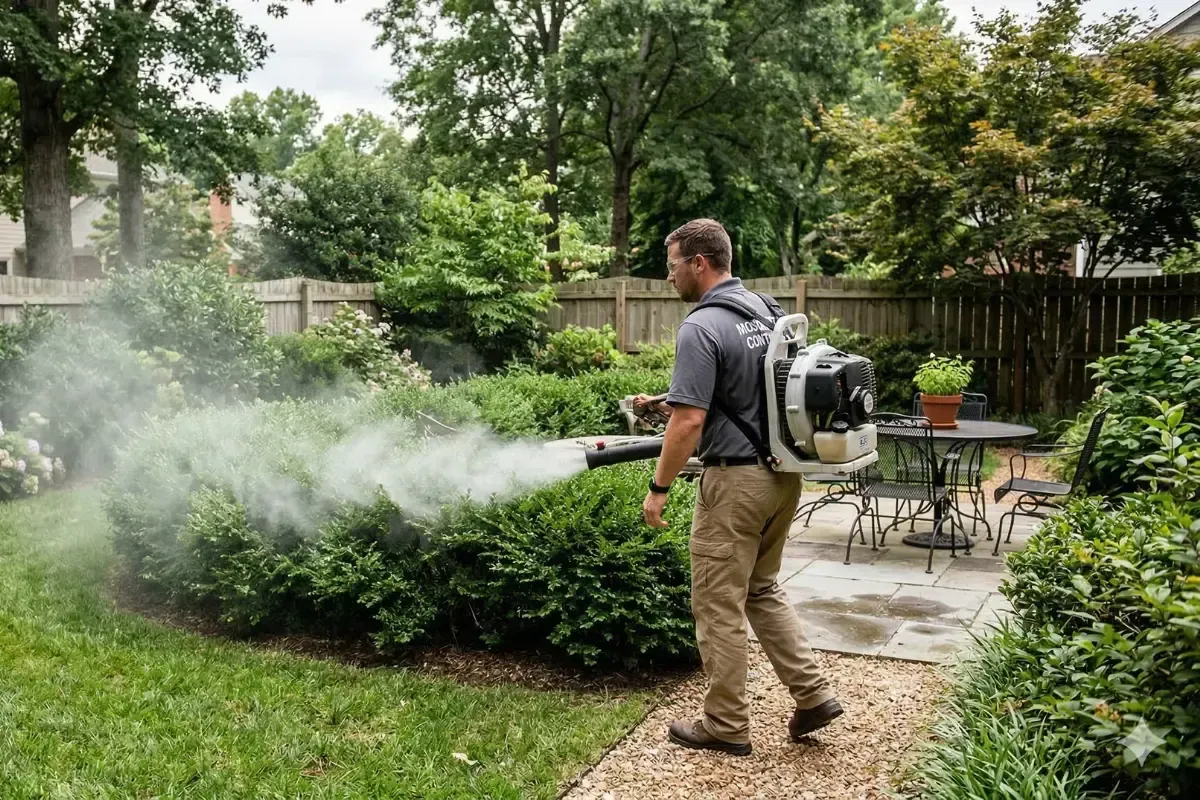
Garlic contains sulfur, which is a natural enemy of most biting insects. When a yard is treated with a professional garlic application, mosquitoes will avoid the area entirely. This is a game-changer for heartworm prevention because it reduces the mosquito population in the very place your dog spends the most time. Find more tips for keeping mosquitoes away from your yard in our blog
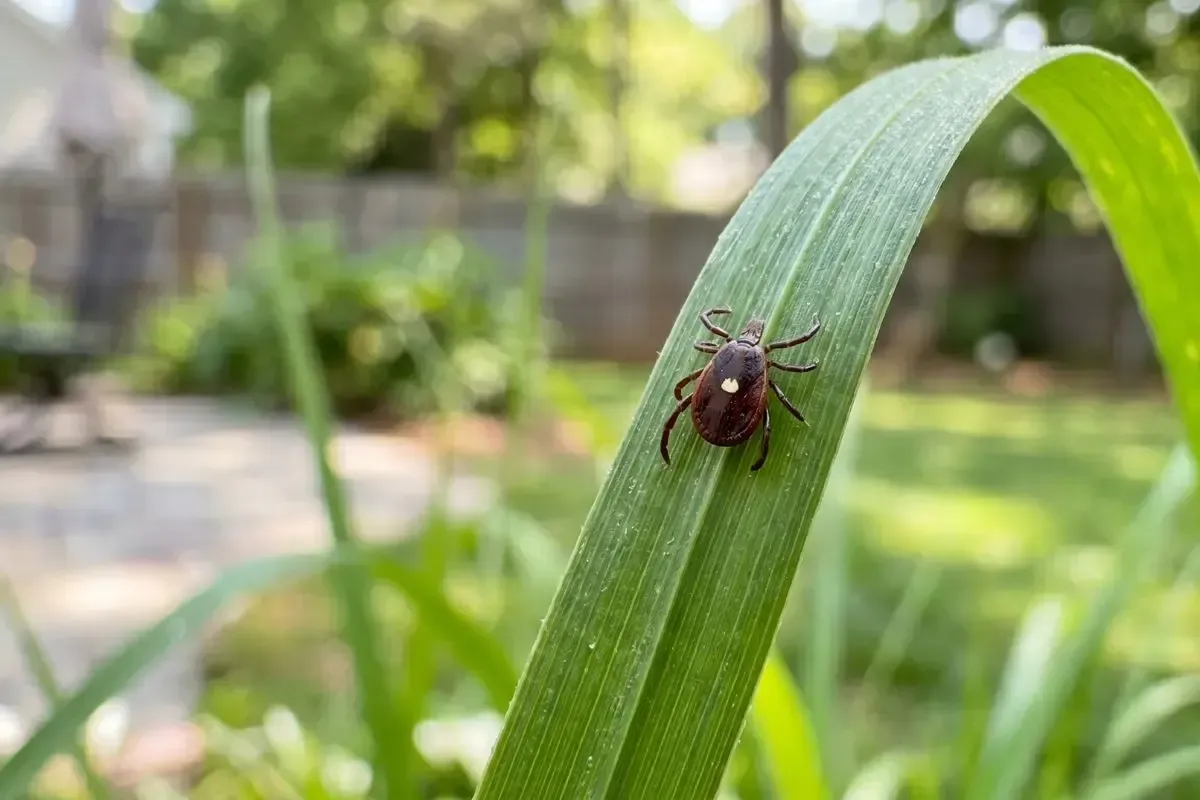
Is Mosquito Spray Safe? Ticks are also repelled by the sulfur, meaning they won't be waiting in the tall grass for your pet to walk by. Carolina Turf can spray your bushes, trees and shady areas where mosquitoes hang out and your entire lawn for tick prevention.
Why Holistic Prevention Works Better
Natural prevention starts with the environment and the exterior of your pet instead of poisoning them from the inside out. A resilient immune system is actually the first line of defense against parasites. When pets eat a fresh, species-appropriate diet, they develop a healthier skin barrier and a different metabolic scent. This makes them a much less "tasty" target for fleas and ticks compared to an inflamed pet on a high-carb, processed diet. By keeping their toxic load low, you’re helping their body focus on staying strong rather than constantly filtering out synthetic chemicals.
- Essential Oil Collars: These provide a constant, low-level release of repellent scents that keep bugs away from the head and neck area.
- Yard Treatments: Regular garlic applications create a safe zone for your family and pets to play without worrying about bites.
- Daily Grooming: Using a flea comb after walks allows you to spot and remove any hitchhikers before they have a chance to settle in.
Pet owners have been told for years that chemicals are the only way to keep their animals safe. We are seeing more and more evidence that these "safe" products are causing real harm to our beloved companions. Choosing natural alternatives allows you to protect your pet from the very real dangers of heartworm and Lyme disease without sacrificing their long-term health.
Carolina Turf Keeps Your Pets Safe
Our organic approach to lawn care already removes many of the environmental stressors that can weaken a pet’s immune system. By adding natural garlic treatments to your yard maintenance, you are taking a massive step toward a pest-free home.
You have the power to break the cycle of chemical dependency. Your pet depends on you to make choices that support their vitality. Ditching the pills and the toxic topicals in favor of essential oils and garlic pays off in more years of tail-wagging. We are here to support you in creating a safe, non-toxic environment where your whole (furry) family can thrive.