WHY ORGANIC?

The toxic chemicals currently being used in landscaping have proven to be harmful to people, pets, and the environment. See which chemicals to look out for below.


The Environmental Protection Agency was exposed for corruption, which explains why these products are still on the market.


We use natural ingredients proven to work just as effectively. Our weed control and compost tea fertilizer add more nutrients to your lawn, resulting in healthier, greener grass that requires less watering.


Best of all, you never have to worry about exposing your family to dangerous chemicals!

Frequently Asked Questions

  • Will it hurt my kids or pets?

    No! Our ingredients are natural and free of toxic chemicals.

  • Is it as effective as traditional chemicals?

    Yes. Most companies don't explore organic products because of their price, but we have successfully treated lawns for years using only natural ingredients. 

  • Will it hurt my existing plants and trees?

    No, it will actually help them.

  • How often do you apply treatments?

    • Weed control & fertilization every 5-6 weeks
    • Mosquito control every 3 weeks 
    • Pest control every 4 weeks
    • Fire ant control every 4 weeks
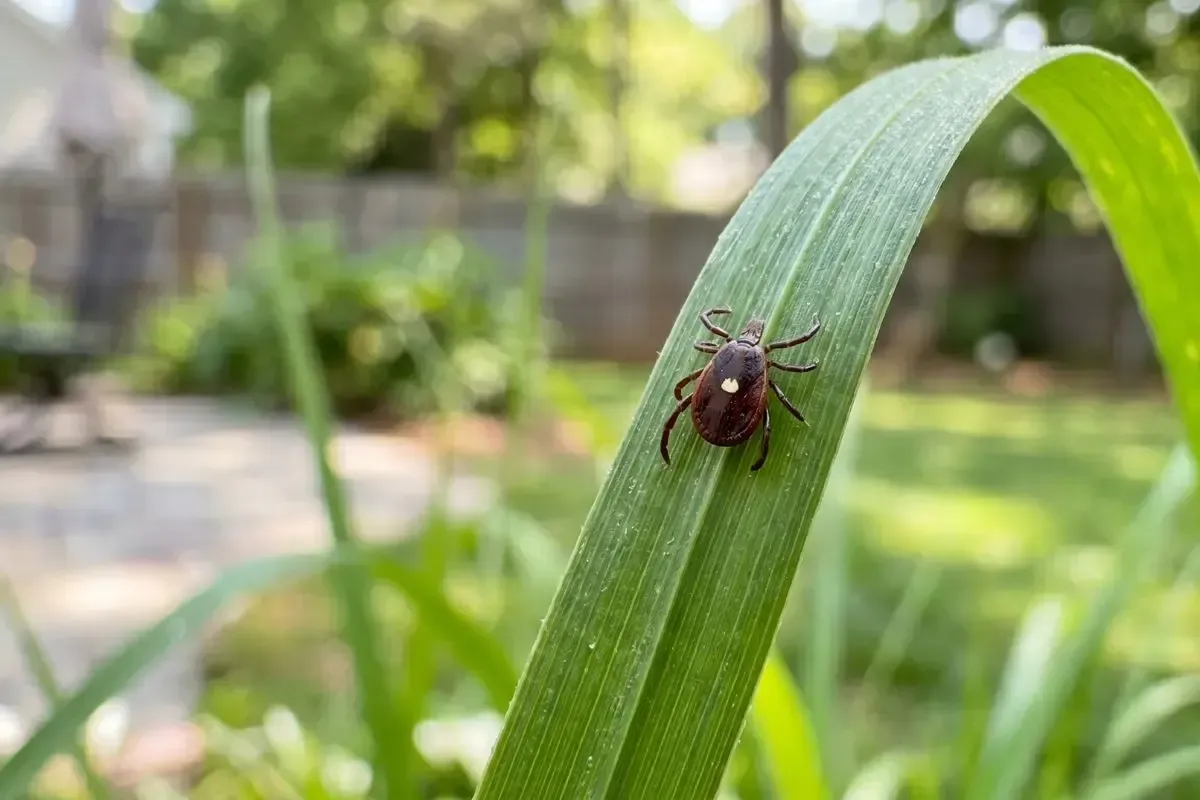
    • Tick control every 4 weeks
    • Snake repellent every 4 weeks
    • Ornamental treatment every 7 weeks
    • Fungicide treatment every 4 weeks
    • Mole/vole repellent every 4 weeks
  • How long will it take to see results?

    Every lawn is different but usually:

    • Within 7 days with weed control
    • Within 1 day for mosquito control
  • Is it more expensive than a traditional service?

    Slightly. However, we run a debt-free business and are able to pass our savings to our customers even though our materials cost more. 

  • Am I locked into a contract?

    No, it's a basic service agreement. You can cancel anytime. We will charge you for any remainig balance for services completed in you choose a package plan. 

  • What happens if it rains right after my treatment, is it still effective?

    Yes. The application only takes 15 minutes to set in. 

  • How organic are your products?

    • Mosquito control 100%
    • Fire ant control 100%
    • Weed control 100% & fertilizer 100% 
    • Tick control 100%
    • Snake repellent 100%
    • Ornamental treatment 100%
    • Grass killer (Roundup equivalent) 100%
    • Fungicide 100%
    • Mole/Vole repellent 100%
    • Pest Control 100%
    • Aeration/Seeding 100%
  • What are the main ingredients in your products?

    • Garlic
    • Citric acid
    • Lye
    • bat gumen
    • worm castings
    • kelp
    • chicken & cow compost
    • Potassium sorbate
    • Vinegar
    • Cedar wood oil
    • Sulfur
    • Vegetable oil
    • Clove
    • Thyme
    • corn gluten
    • milorganite
    • Other botanical oils or ingredients

Lawn & Pest Chemicals to Look Out For

Below are just a few of the most common herbicides and pesticides, and their health effects.

Triangle with an exclamation point.
2,4-D

2,4-dichlorophenoxyacetic acid (2,4-D) can decrease fertility and raise the risk of birth defects. The World Health Organization (WHO) says 2,4-D herbicide possibly causes cancer in humans.


Triangle with an exclamation point.
Hydramethylnon

A pesticide the EPA has classified as likely to be carcinogenic for humans. An active ingredient in Amdro, a brand used for ant control.

Triangle with an exclamation point.
Atrazine

The EPA has declared atrazine as possibly carcinogenic to humans. And the CDC says “maternal exposure to atrazine in drinking water has been associated with low fetal weight and heart, urinary, and limb defects in humans".

Triangle with an exclamation point.
Paraquat

Paraquat is only available to licensed landscapers and is extremely harmful when breathed in. Even small exposure can lead to poisoning that damages the lungs and kidneys. Paraquat poisoning is also possible with skin exposure.

Triangle with an exclamation point.
Glyphosate

The WHO has classified glyphosate (the main ingredient in Roundup) as probably carcinogenic to humans. 25 countries have now banned or restricted the use of glyphosate-based herbicides.


Triangle with an exclamation point.
Permethrin

An insecticide that is lethal to bees and classified as a likely carcinogenic to humans by the EPA. Used for broad range of pests, such as fleas, ticks, cockroaches, flies, and mosquitoes

"The Toxic Ten" - Most Common

Lawn Care & Pest Control Pesticides

Are you exposed to these 10 toxic pesticides used lawn care or pest control? Find out the the which products these chemicals lurk in and their damaging effects on your health.
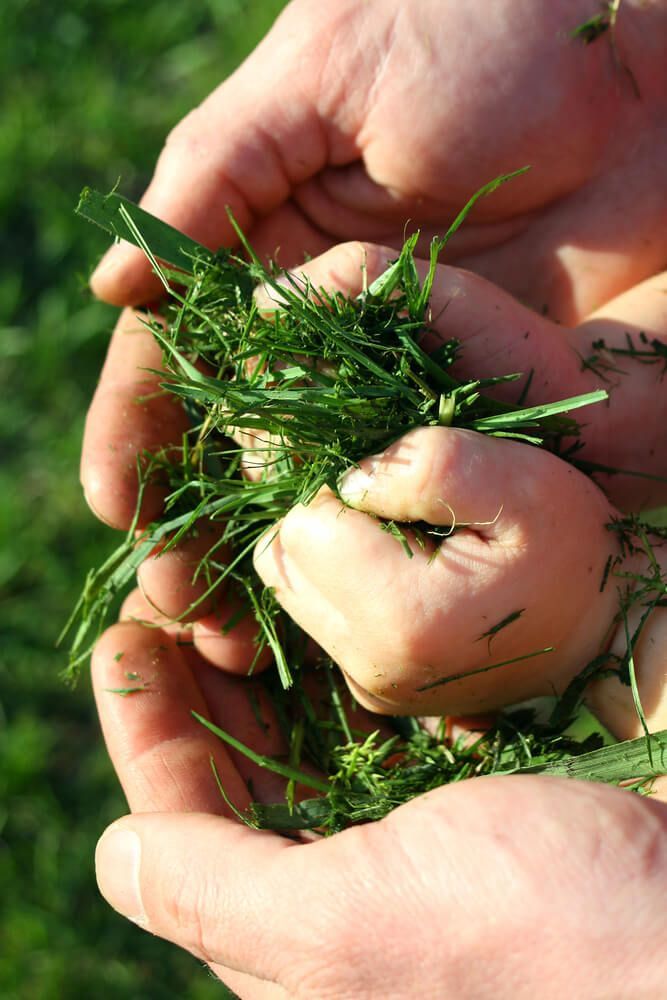
A parent holding the hands of a child with a handful of grass free of toxic pesticides.

Get your FREE copy of "The Toxic Ten"!

By adding your name, you'll be subscribed to our email list.

You can opt-out at any time.

Learn More From Our Blogs
A school groundskeeper spaying the lawn
By Carolina Turf February 24, 2026
A review of The Monsanto Papers by Carey Gillam, exploring the Roundup cancer trial, the internal documents revealed in court, and what it means for homeowners today.
Frozen grass in february
By Carolina Turf February 17, 2026
Learn how February lime and organic corn gluten applications balance Raleigh-Durham’s acidic red clay and prevent weed germination for a healthier spring.
A green, weed-free organic lawn in front of a two-story house
By Carolina Turf February 9, 2026
Is your lawn pesticide shrinking more than just the weeds? Read why your husband should be concerned.
Sign that readslLawn care application today. Please keep off grass until dry.
By Carolina Turf February 2, 2026
For 50 years, we were told the science on glyphosate was settled, but Monsanto's unsealed internal documents and scientific evidence retraction tell a darker story.
A pregnant woman holding her belly in a yellow dress
By Carolina Turf January 26, 2026
Is there a link between lawn pesticides and infertility? Learn how obesogens disrupt hormones and why organic lawn care and pest control protect your family.
Houston and Hanna Hinson in front of a Carolina Turf truck
By Carolina Turf January 20, 2026
Meet Houston and Hanna Hinson: the duo ditching toxic chemicals for 100% organic lawn care.
A dormant lawn during the winter in Raleigh, NC
By Carolina Turf January 13, 2026
We break down essential tips for managing pH levels and stopping poa before it takes over. Find out how to prep your grass using organic methods this winter.
Crabgrass
By Carolina Turf October 21, 2025
Stop crabgrass before it starts with organic pre-emergents and healthy soil. We explain why grassy weeds like crabgrass don't respond to broadleaf weed control.
C
By Carolina Turf July 29, 2025
See why this Fuquay-Varina yard is our Organic Lawn of the Month. Lush grass, clean mulch beds, and zero toxic chemicals—thanks to our organic weed control and bed maintenance services.
Armyworm damage vs. brown patch damage on lawn
By Carolina Turf July 17, 2025
Learn how to tell the difference between armyworms and brown patch fungus, and what to do next to protect your lawn.
Show More