

Are Electric Cars Actually Worse for the Environment?
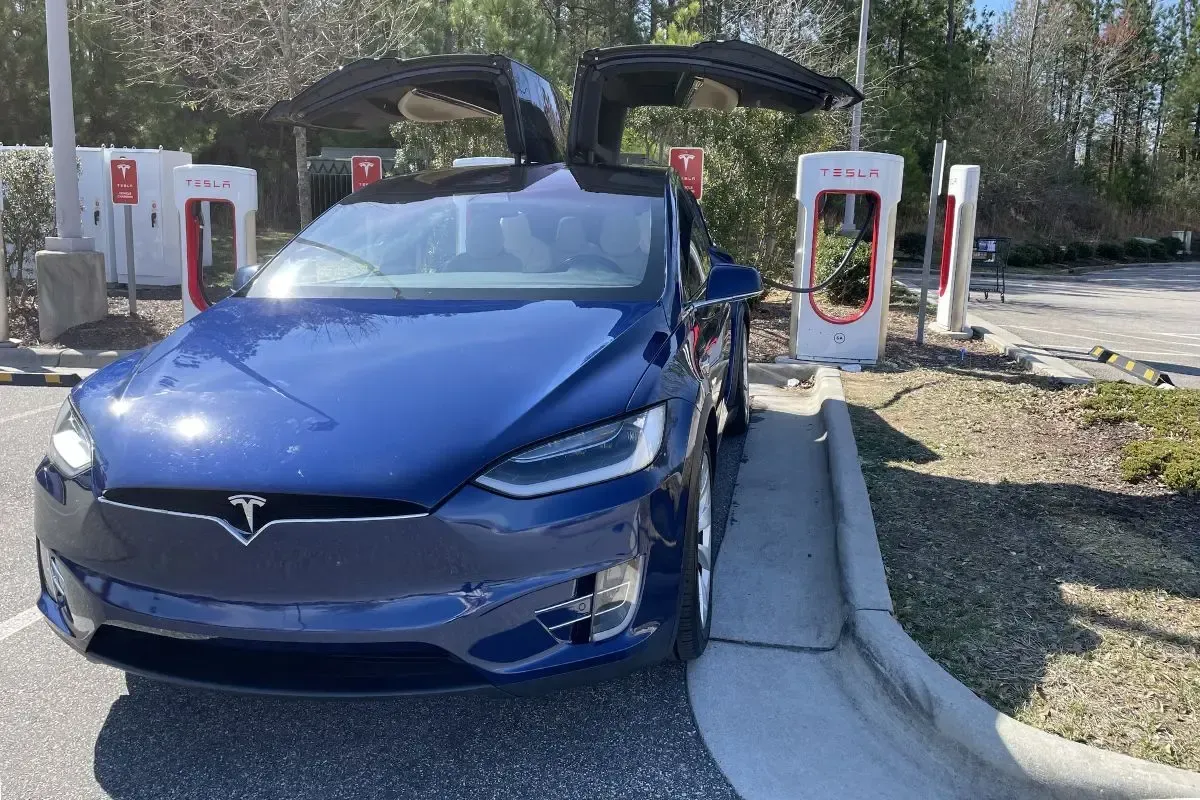
Sometimes I feel like you can’t win. Here I’ve been driving a Tesla for five years, and now they’re telling me it might actually be worse for the environment. I wanted to get to the bottom of this claim.
Canary in a Lithium Mine?
Turns out, manufacturing an electric vehicle is an incredibly energy-intensive process. Most of this comes down to the massive lithium-ion batteries that provide the range we’ve come to expect. Extracting materials like lithium, cobalt, and nickel requires massive mining operations that move millions of tons of rock. These projects often use staggering amounts of water, sometimes depleting local resources and affecting surrounding ecosystems.
Being in North Carolina, I can’t help but mention that in April 2026, the
US Geological Survey released a new assessment estimating that Appalachian pegmatite formations may contain enough lithium to support U.S. demand for generations, with the southern Appalachians (mainly the Carolinas) holding the largest concentration. The U.S. currently depends heavily on foreign supply chains, especially China, to process lithium and manufacture battery components.
The energy needed to refine these minerals and assemble the battery cells is also significant, and it often relies on industrial processes fueled by traditional energy sources. Therefore, an electric vehicle arrives on the market with a larger carbon footprint than a standard gas-powered car. This initial deficit is often referred to as manufacturing debt. For an electric car to become a net positive for the planet, it needs to be driven long enough to offset the emissions created during its birth. Depending on how the local power grid is fueled, that payback period might take several years of regular driving.
Manufacturing debt is the total volume of greenhouse gas emissions produced during the creation of a vehicle, including mining, refining, and assembly.
A Grid-Dependent Solution
Charging a car is only as clean as the source of that electricity. If the power coming out of the wall is generated by a coal-fired plant, the car is effectively running on coal. In areas where the grid relies heavily on wind, solar, or nuclear energy, the use of fossil fuels is obviously eliminated. A gas-powered engine is locked into its efficiency level from day one, while an electric motor can improve its environmental standing each year as long as you don’t trade in your electric car for the latest and greatest model. My Tesla is a 2016 model and still runs like a dream, so hopefully it has made up for its manufacturing impact in the last decade. Additionally, the older models came with free supercharging for life so worth looking into.
Cabin EMF Exposure
Electric cars are essentially giant mobile electronics. They are packed with high-voltage battery packs and a suite of wireless sensors. This creates an environment with higher levels of Electromagnetic Fields (EMFs) than traditional cars. While current safety standards suggest these levels are fine for human health, some owners wonder about the long-term effects of sitting directly on top of such a large power source.
The Environmental Cost of Gas-Powered Cars
One thing often missing from the “EVs are worse” argument is that gas-powered cars also carry a major environmental footprint before they ever leave the dealership lot. Steel production, aluminum smelting, plastics manufacturing, paint processes, shipping, and assembly all require enormous amounts of energy. Then, unlike electric vehicles, gasoline cars continue to burn fossil fuels for every mile of their lifespans.
Oil extraction and refining also come with their own environmental consequences. Drilling operations, pipelines, refinery emissions, and fuel transportation all add to the equation long before gasoline reaches the pump. The difference is that a gas-powered vehicle spreads much of its environmental impact over time through ongoing combustion, while an electric vehicle carries a larger share of its footprint upfront during manufacturing. That’s why environmental researchers tend to focus on total lifetime emissions rather than just the impact of building the car itself.
A brand-new vehicle of any kind represents a huge amount of industrial production. Sometimes the greenest choice is not replacing a functional car at all.
Keeping Cars on the Road
Environmental conversations often revolve around buying the newest “green” product, but extending the life of existing products can sometimes have a larger impact than replacing them. That includes cars.
Restoring and maintaining older vehicles keeps thousands of pounds of material out of landfills and reduces the demand for new manufacturing. Every new car requires mining, shipping, factory energy, plastics, electronics, glass, and raw materials before it ever hits the road. Keeping an existing vehicle operational delays that entire cycle.
Of course, an older gas-powered car may produce more tailpipe emissions than a modern hybrid or EV. Still, there’s an environmental argument for upcycling instead of constantly consuming and replacing. Classic car restoration, engine rebuilding, interior refurbishing, and component repair all reflect a mindset that values longevity over disposability. Older vehicles also avoid many of the intrusive electronic systems now becoming standard in modern cars, from constant tracking and connectivity features to a proposed Orwellian
kill-switch that makes some drivers uneasy about where vehicle technology is heading.
Global Emissions Breakdown
Let’s think about how much your choice of vehicle matters in the grand scale of things. If we look at global greenhouse gas emissions by sector, the heavy lifting of pollution happens in factories and power plants. Here are some rough numbers:
- Manufacturing & Construction (31%): Making things like steel, cement, plastic, and cars.
- Electricity (27%): The power plants that feed our grid and charge our electronics.
- Agriculture (19%): Growing food and the loss of the soil’s ability to sequester carbon due to big agriculture’s tilling practices.
- Transportation (16%): Every car, truck, and bus on the road. Aviation, surprisingly, accounts for only 2% of this pie.
- Heating & Cooling (7%): Climate control in our buildings.
So maybe where we should start evaluating our environmental footprint is our consumption habits, not just what kind of car sits in the driveway. Much of the world’s pollution comes from manufacturing the endless stream of products we buy, replace, upgrade, and ship across oceans. People love pointing fingers at other countries for pollution, but many of those factories exist because Western consumers keep demanding cheap goods delivered faster and faster.
Think about how far a product travels before it lands on your doorstep. The mining, manufacturing, packaging, cargo ships, warehouses, trucks, and overnight delivery networks all consume enormous amounts of energy long before you ever open the box.
The Verdict: Electric and Gas-Powered Cars are Equally Bad
Before you go trading your car for a horse and buggy, the takeaway here is that there is no zero-impact vehicle. Every car comes with environmental costs associated with mining, manufacturing, energy use, and consumption. Electric vehicles shift much of the upfront burden to battery production, while gas-powered cars spread it over decades of fuel extraction and combustion.
In the end, the greenest choice may be to drive what you already own for as long as possible, repair it when it breaks, and resist the urge to buy the newest product just because you want it, not because you need it.