Your Neighbor’s Lawn Pesticides End Up in Your Yard
You chose organic lawn care for your own property, avoid mosquito fogging, skip synthetic fertilizers, and keep harsh chemicals away from your kids and pets. But the neighbor next door hires a company that sprays pyrethroids for mosquitoes, and dumps a bunch of Scott’s Turf Builder Weed & Feed on their lawn.
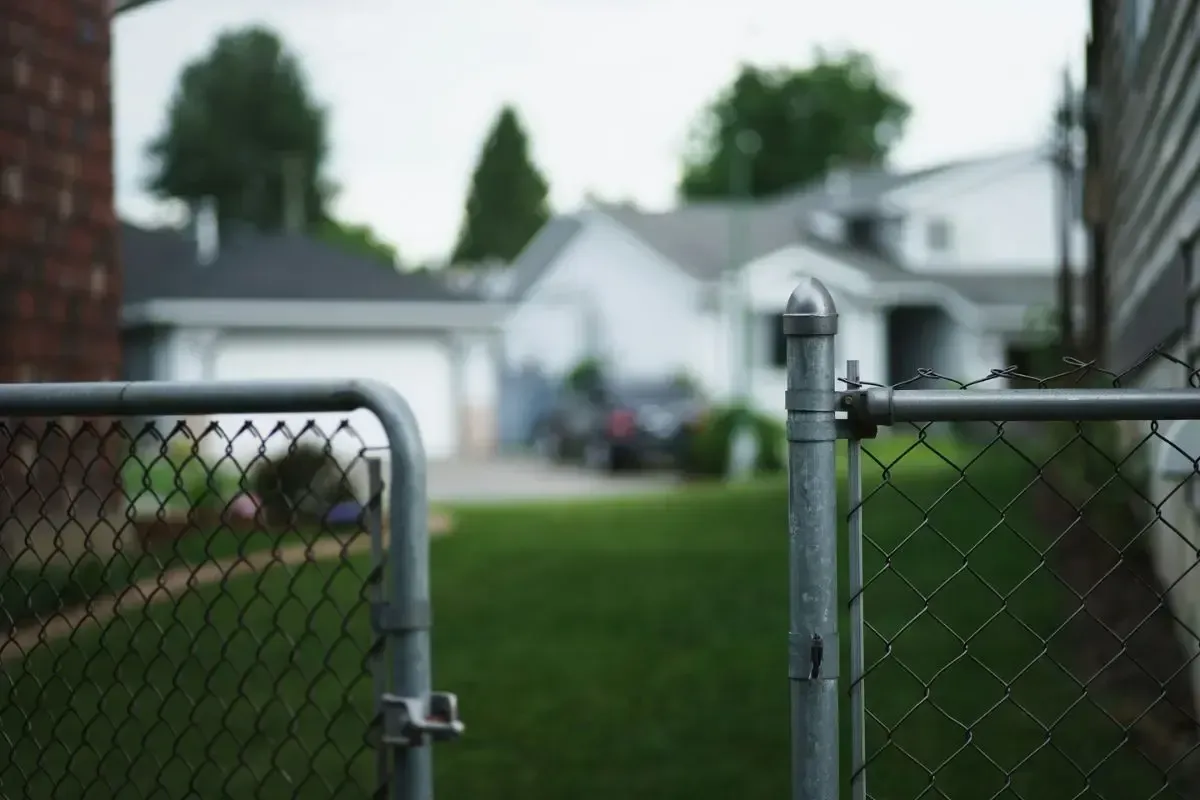
According to the U.S. Fish and Wildlife Service, homeowners apply up to 10 times as much chemical pesticides per acre as farmers do on agricultural crops.
Unfortunately, lawn chemicals don’t stay politely inside property lines.
Pesticide drift, water runoff, and groundwater contamination can carry lawn and pest control products far beyond the yard where they were applied. Your family can end up exposed even if you never spray your own property.
Pesticide Drift is Real and Measurable
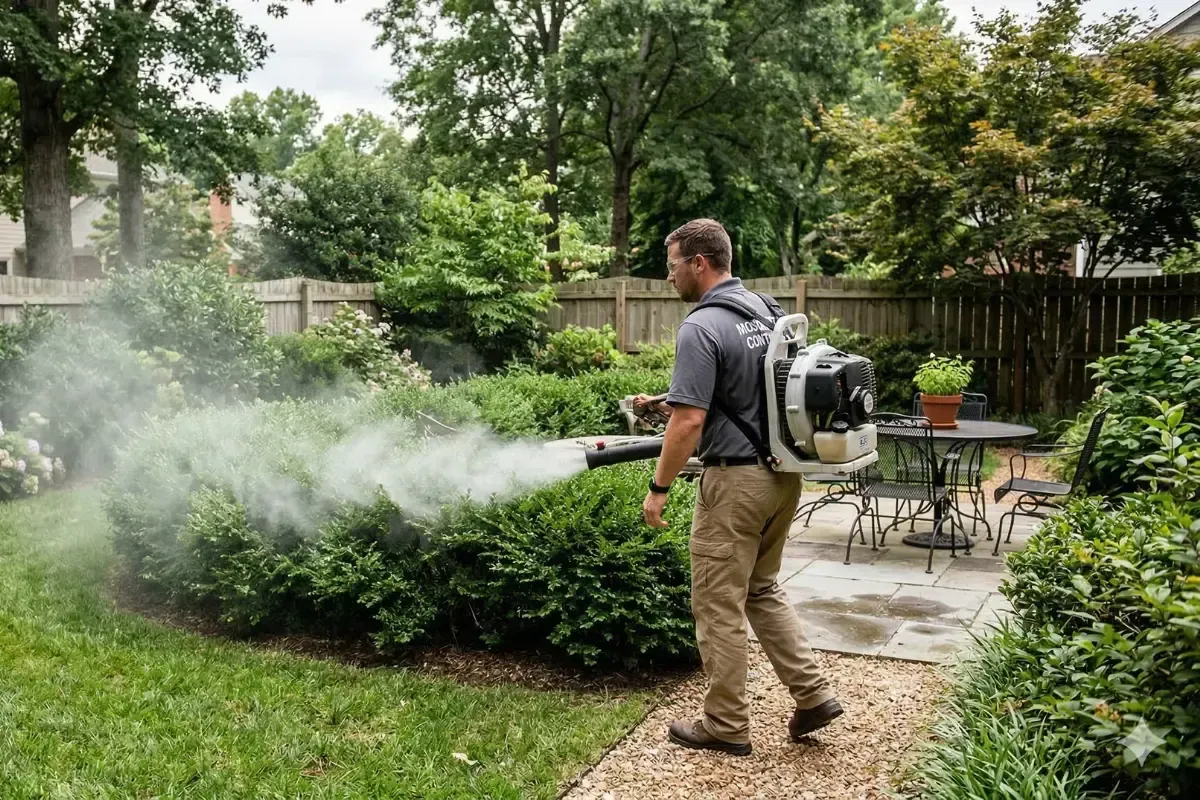
Pesticide drift happens when chemicals move through the air during or after application. Wind plays a role, but drift can happen even in calm conditions through vapor movement and microscopic droplets.
Mosquito Sprays
A study conducted by the Xerces Society for Invertebrate Conservation and the University of Nevada, Reno looked at how residential mosquito sprays move through suburban neighborhoods. Researchers found that pyrethroid mosquito pesticides frequently drifted beyond the intended treatment area and contaminated neighboring properties that had not been sprayed.
The study found:
- 75% of neighboring yards tested positive for pyrethroid contamination after nearby mosquito spraying
- Some neighboring yards contained pesticide levels up to 2 times the lethal dose for honey bees
- Sprayed yards averaged more than 6 times the lethal dose for honey bees
- One treated yard measured more than 34 times the lethal dose for honey bees
Researchers concluded that residential mosquito spraying can expose pollinator habitats and neighboring properties to pesticide residues beyond the intended application zone. That’s too bad for the pollinators, but why should I care?
Pyrethroid Risk for People
Pyrethroids are synthetic neurotoxic insecticides that are designed to disrupt the nervous systems of insects, but growing research has raised concerns about human exposure as well. Studies have linked pyrethroid exposure to respiratory irritation, headaches, dizziness, skin irritation, developmental and behavioral effects in children, and possible neurological impacts tied to diseases like Parkinson’s.
A
study published in JAMA Internal Medicine found that people with higher pyrethroid exposure had a significantly increased risk of death from all causes and cardiovascular disease. Researchers investigating pyrethroids have
found evidence that the chemicals may contribute to dopamine neuron damage and oxidative stress pathways associated with Parkinson’s disease. Read more about
pesticides and Parkinson’s in our blog.
Weed Killers
Home lawn herbicides containing 2,4-D have also been associated with off-target drift and runoff. A widely cited study published in Environmental Health Perspectives found that after lawn applications of 2,4-D, the herbicide was detected in indoor air, house dust, carpets, floors, tables, and window sills throughout treated homes. Researchers found that pets and shoes tracked the chemical indoors, where it continued circulating through household dust.
Research and government monitoring programs have also detected 2,4-D in urban streams, surface water, and groundwater connected to residential and agricultural use. The
U.S. Geological Survey found 2,4-D in roughly 11% of urban streams sampled nationwide, while studies in urban California waterways detected the herbicide in 66% to 84% of samples, with concentrations increasing significantly after rainstorms and runoff events.
Lest you forget, 2,4-D was one half of the infamous Agent Orange herbicide used during the Vietnam War, a chemical mixture linked to birth defects and cancers among exposed populations. Despite the controversy surrounding herbicides for decades, 2,4-D remains one of the most common weed killers used on residential lawns because it kills weeds without killing grass.
The International Agency for Research on Cancer (IARC) determined that 2,4-D is a possible human carcinogen, stating “there is strong evidence that 2,4-D induces oxidative stress, a mechanism that can operate in humans, and moderate evidence that 2,4-D causes immunosuppression, based on in vivo and in vitro studies.”

Water Contamination
Anything applied to a lawn can be carried off by rain or irrigation water, including toxic chemicals. If you’re downstream from your neighbor who nukes his lawn, that water is coming right into your yard.
Living near a golf course has drawn particular concern because they often receive heavy applications of fungicides, herbicides, insecticides, and fertilizers to maintain highly manicured turf year-round. A 2025
study published in JAMA Network Open found that people living within one mile of a golf course had more than double the odds of developing Parkinson’s disease compared to people living farther away. Researchers suggested that pesticide-contaminated groundwater may be one possible explanation.
Homes using private wells can face particular concern because groundwater contamination is difficult to detect without testing, but runoff affects municipal water systems and natural waterways too. Pesticides applied to lawns, golf courses, and agricultural land have been detected in rivers, reservoirs, urban streams, and drinking water sources throughout the United States. Municipal treatment plants reduce many contaminants, but they were not originally designed to remove every synthetic chemical entering modern waterways, especially complex mixtures of pesticides washing in from thousands of properties after rainstorms.
What Are You Gonna Do About It, Karen?
Feel awkward about approaching your neighbor about what they’re spraying on their property? Start with a conversation, not a confrontation. Give them the benefit of the doubt. Many homeowners simply assume lawn chemicals are harmless because they’re common and widely marketed. Approach conversations calmly and practically.
Talk about:
- Kids and pets playing outside
- Pollinator decline
- Sensitivity to chemicals
- Safer alternatives like Carolina Turf
- Reducing mosquitoes without fogging (learn more in our blog about mosquitoes)
If you’re already using our organic services, we always offer a $25 referral credit for both you and your neighbor when they sign up.
Work with Your HOA
Some homeowner's associations require turf perfection that pushes residents toward aggressive chemical treatment programs. They also hire landscapers to treat common areas, sidewalks, and town home yards with traditional lawn chemicals. Read more about one particular HOA where we used to live and what they used here.
Attend their meetings, bring your research, and maybe join the board. Ask questions about current contracts and treatment schedules. Many HOA boards have never seriously explored organic alternatives.
Get Involved Locally
Town councils and local environmental boards influence public spraying policies, park maintenance, stormwater management, and pesticide regulations. Organizations like Beyond Pesticides, Non Toxic Communities, and Toxic Free NC provide resources for residents who want to advocate for safer community practices.
Communities across the country have already reduced pesticide use through organized local advocacy. Change usually starts with a few residents asking questions about what is being sprayed in parks, playgrounds, neighborhoods, and common areas. One conversation at an HOA meeting can eventually turn into reduced spraying policies, organic pilot programs, pollinator-friendly landscaping, or better notification requirements before pesticide applications.
If Your Neighbors Still Spray, Here’s How to Reduce Exposure
A few steps can help reduce exposure during and after spraying events:
- Stay indoors
- Keep windows closed for several hours afterward if possible
- Bring in pet bows, toys, and outdoor cushions
- Wash produce from home gardens
- Remove shoes indoors
- Rinse pets’ paws
- Avoid freshly treated areas afterward