The Environmental Protection Agency is Evidently Corrupt
Apparently what the EPA managers are interested in is protecting their own pockets.

Image by Alexsander-777 from Pixabay
Recently whistleblowers from the Environmental Protection Agency (EPA) have come forward alleging that the organization “has been falsifying dangerous new chemicals’ risk assessments in an effort to make the compounds appear safe and quickly approve them for commercial use.” (Source:
The Guardian).
The management of the EPA, members of which often switch between working for the chemical companies and the agency, is pressuring the scientist to fast-track approvals for new chemicals, alter documentation that warn about the dangers of a chemical being reviewed, or otherwise harass and pressure them.
“Managers seem to think their job is to get as many new chemicals on the market as fast as possible,” said the director of a non-profit representing the whistleblowers.
According the the
Pesticide Action Network, EPA relies almost entirely on industry-funded studies in reviewing the health and environmental impacts of pesticide products. “Chemical companies commonly sit on panels and committees that ‘advise’ regulators as well. A representative from DowDuPont, for instance, served on the Endocrine Disruptor Screening and Testing Advisory Committee for EPA. And, much too often, there is a ‘revolving door’ of former agrichemical industry executives, lawyers and scientists serving in government agencies tasked with industry oversight.”
The Only Green the Chemical Companies Care About is Money
“The world’s five biggest pesticide manufacturers are making more than a third of their income from leading products selling chemicals that pose serious hazards to human health and the environment,” says
Greenpeace. Billions of dollars of income for agrochemical giants BASF, Bayer, Corteva, FMC and Syngenta come from chemicals found by regulatory authorities to pose health hazards like cancer or reproductive failure. And more than a billion dollars of their sales came from chemicals – some now banned in European markets – that are highly toxic to bees.
It’s no wonder these companies do everything in their power to hold on to their profits. In the 2020 election cycle, the
chemical manufacturing industry spent $17.8 million on lobbying, and among top five contributors were familiar names: BASF, Dow and DuPont.
What Can You Do?
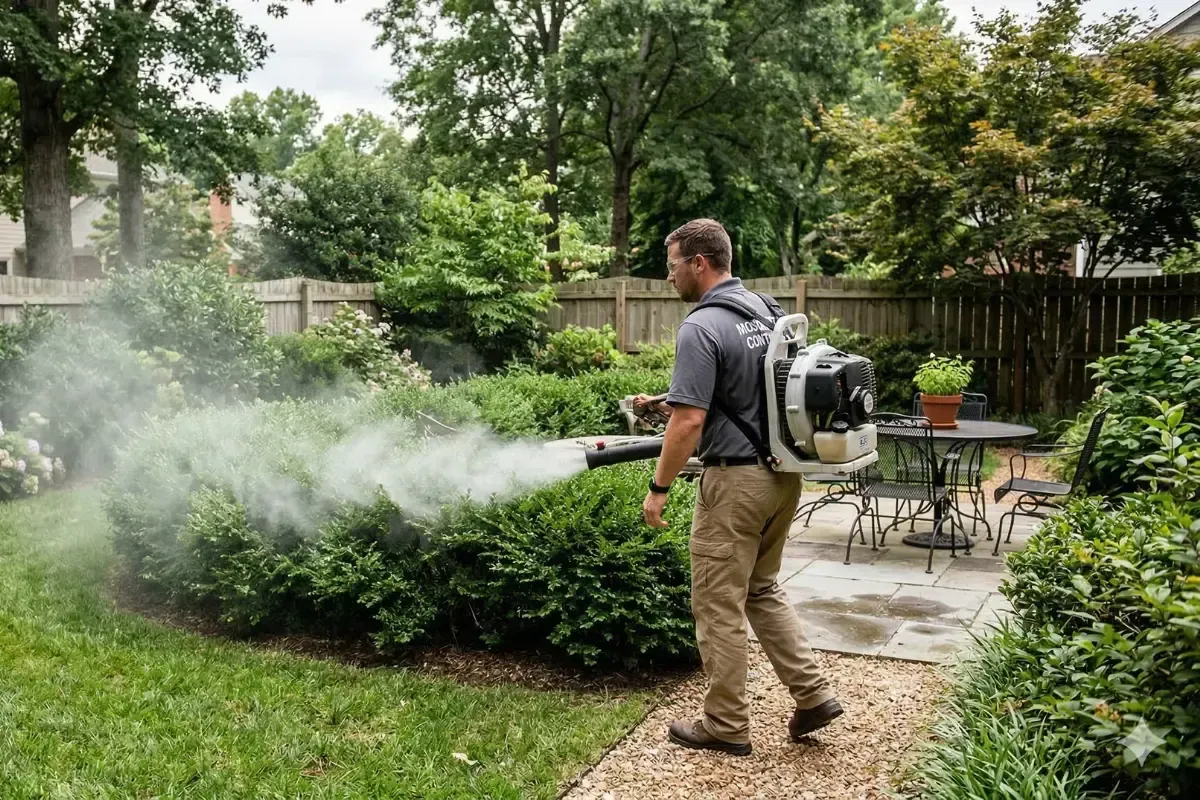
While the conversation around chemicals often centers around the big agribusiness, you should look closer to home. You may not even realize this, but just about every Parks & Rec department or any city or town relies on chemical pesticides and herbicides to keep their parks, playgrounds, sidewalks and pavements pristine and weed-free. Most commonly used are Roundup (glyphosate), Speed Zone and Surge (2,4-D),and products containing Atrazine. Although Roundup was recently pulled from the consumer market due to mounting lawsuits, it will continue to be available for commercial use. And most commercial weed and pest control companies will continue to use them, exposing you, your children and your pets to these hazardous chemicals whenever you go outside.
Take inspiration from a town in the UK where the citizens launched a campaign for
Pesticide Free Balerno and successfully petitioned their town council to move to safe alternatives. And there are safe alternatives. At Carolina Turf we use an all-organic solution for weed control and fertilization that has proven effective over the several years we’ve been servicing our customers.
The Pesticide Free Network provides great resources to start a campaign in your own town. Ultimately our health is in our own hands, and we should be vigilant about protecting ourselves, our families and our environment from those who profit by putting us in danger.