Reversing Climate Change Through Composting
"Globally, if food waste could be represented as its own country, it would be the third largest greenhouse gas emitter."
(Source: UN Environment Programme)
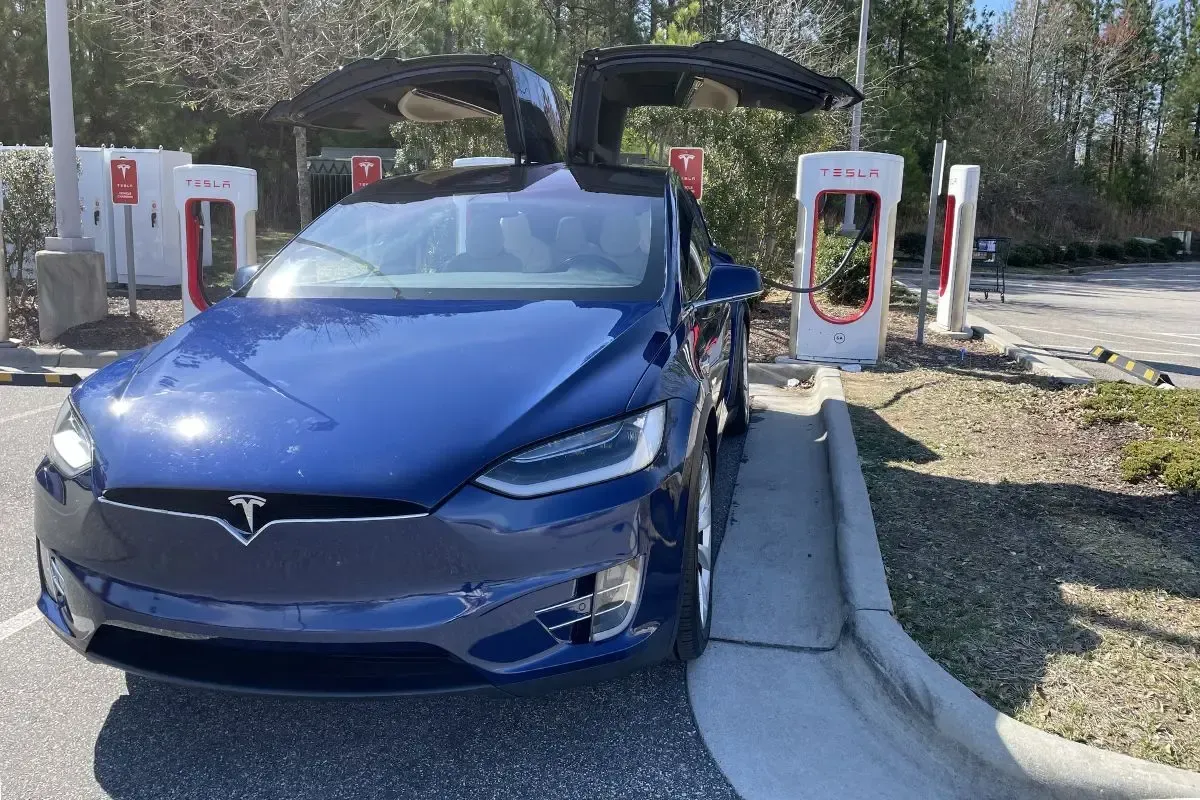
We all know fossil fuels are bad for the environment. We've even made moves to use them less by driving flex-fuel or electric vehicles (I recently traded in my Honda CRV for a Tesla X). Volvo, the automaker with a reputation for safe vehicles, just announced they are changing to all-electric vehicles because “climate change is the ultimate safety test”.
To recap your high school biology class, fossil fuels release carbon dioxide when burned, which traps extra heat in the atmosphere resulting in abnormal warming of our planet. And as much as I like Elon’s ideas, I’d very much like to stay on this planet instead of moving to Mars.
Methane Traps More Heat Than Carbon Dioxide
We also hear more and more about the impact of agriculture on global warming, particularly from the mass production of beef and the methane those cows release into the atmosphere. Methane is about
25 times more potent greenhouse gas than carbon dioxide because it traps more heat.
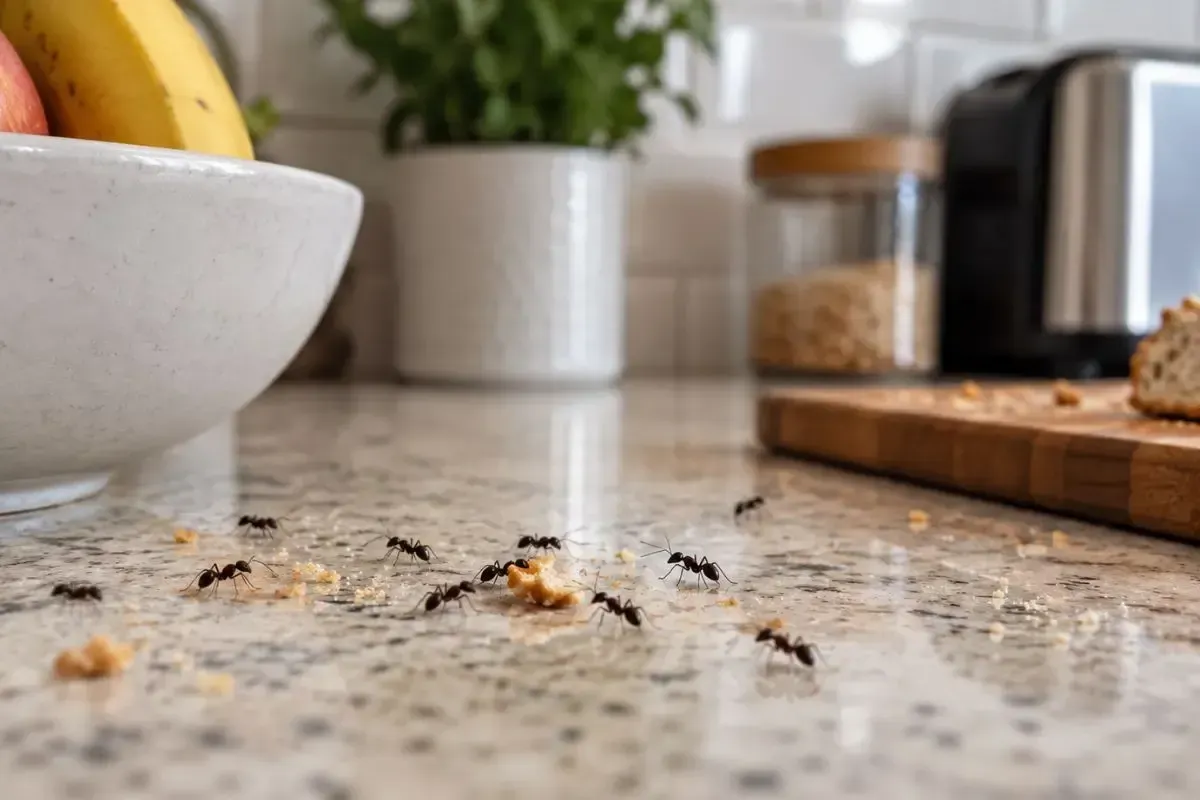
But what most people don’t realize is that the food waste we throw in our trash also produces methane as it rots in the landfills. Food waste sits trapped inside plastic bags, under mounds of inorganic decomposing anaerobically, producing methane throughout the entire process. And the methane emissions from landfills in 2019 were approximately equivalent to the greenhouse gas emissions from more than
21.6 million passenger vehicles.
And To Dust All Return
For food to decompose quickly it needs critters such as earthworms to tear it down, microorganisms in the form of bacteria and fungi to further break it down, moisture, and oxygen to allow this whole process to unfold. Composting is a carefully managed process that helps food biodegrade in about three months. But the result is nutrient-rich soil that can be used as organic fertilizer in your lawn and garden.
You can set up a compost pile or bin in your backyard and begin managing this process yourself. For successful composting, here are some tips:
- Besides food waste you’ll also need to use other organic materials such as pine needles and leaves in 3:1 ratio to ensure a balance of carbon and nitrogen.
- Turn the pile every 3-5 days to allow the flow of oxygen for the bacteria.
- Monitor the moisture of the pile to keep it not too wet and not too dry. Add more brown materials like dry leaves if too moist, and add water if too dry.
If It Were Easy, Everyone Would Do It
Not all of us have the time or the space to embark on a mission of a home composting. Admittedly, a compost pile can attract rodents and flies, especially if it contains meat and bones. Your neighbors may not take it lightly to see a heaping mound of “trash” in their vicinity, and your HOA or city may even have restrictions against such an endeavor.
Luckily many municipalities have a composting program available, in which case you can just save your food waste and bring it to them weekly. Some cities, like San Francisco and Seattle, even offer curbside pick up from your house. For other areas, look for commercial services offering composting collection, such as
Carolina Turf in Raleigh, NC.
Each and every day, the fate of our planet is in our hands. In the words of Robert Swan: “The greatest threat to our planet is the belief that someone else will save it.” Let’s do our part in saving our home.
Related pages: