Why Is Composting Important?
The leftovers you put in your trashcan won’t decompose in the landfill in a way you might have thought.
Food is biodegradable, right? So why on earth would it not decompose? The answer is: it does, but not in a way you might have hoped. There are two paths to decomposition: aerobic and anaerobic (meaning, with and without oxygen). After understanding the difference, you’ll be able to see why is composting important.
Aerobic Decomposition: Composting
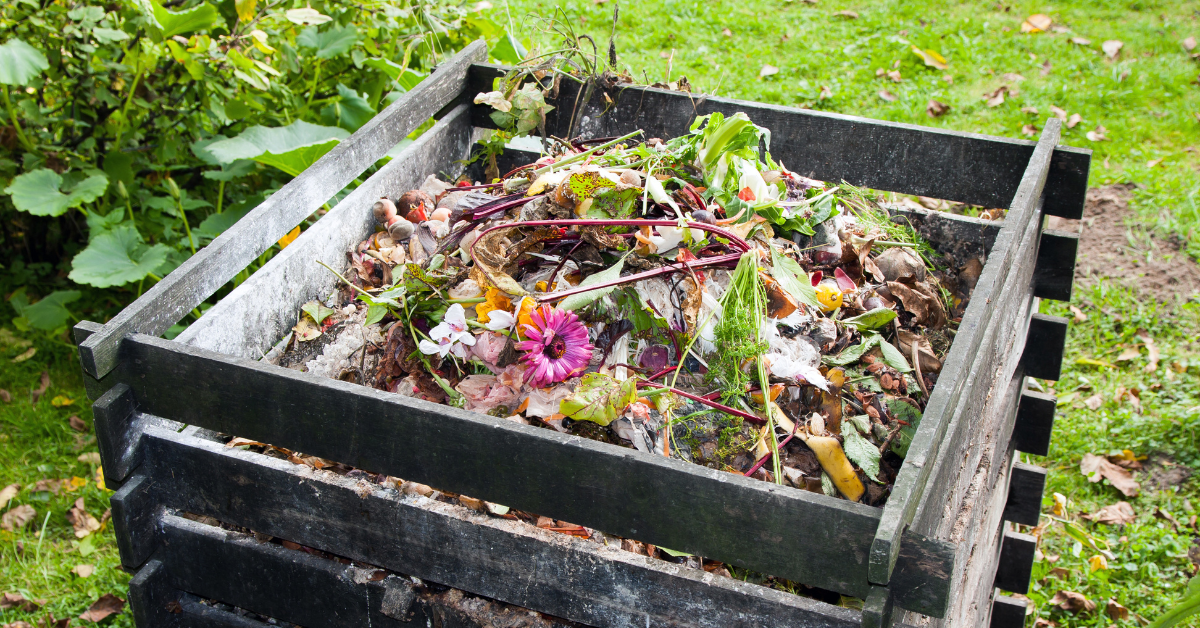
When food decomposes in a compost pile, it breaks down with the help of soil bacteria, water, oxygen from turning the compost pile, and heat that is produced from the microbial breakdown. The nutrients from discarded food are returned to earth and the process can be as short as two weeks. The result is rich compost that is the best possible fertilizer for your lawn and garden.
Anaerobic Decomposition: Fermenting
In comparison, food in landfills sits on top of the ground, inside plastic bags between mounds of other waste. Without the soil bacteria and oxygen, food waste in landfills takes much longer to decompose, sometimes decades. And even when decomposition does happen, the anaerobic process of rotting releases methane.
Methane is a greenhouse gas at least 20 times more potent than carbon dioxide in trapping heat into the atmosphere. According to the EPA, landfills are the third-largest source of human-related methane emissions in the United States. And in 2020, they were approximately equivalent to the greenhouse gas emissions from about 20.3 million passenger vehicles driven for one year
Are You Starting to See Why Is Composting Important?
EPA also estimated that in 2018 in the United States, more food reached landfills and combustion facilities than any other single material in our everyday trash. The mere weight of this food adds to the amount of fuel required to transport the waste from your curbside to the landfill. This, in turn, adds more fossil fuel emissions to our problem of food waste.
Discarded food waste also requires more and more space to be dedicated to landfills, the room that some states no longer have. Instead, they send their ever-growing garbage to either other states or to the middle of the ocean to dump. In case you were wondering how all that plastic ends up on beaches or as microplastics in our food supply, that’s how.
Composting and reducing the amount of food wasted diverts all these costs on the environment cheaply and fairly easily.
"More food reached landfills and combustion facilities than any other single material in our everyday trash."
Waste Less Food
The best strategy is, obviously, to buy only the food you need. It will not only save you money at the grocery store or restaurant, but it will help save the planet as well. Plan your meals ahead of time and take stock of what you already have in the house before heading for your grocery trip.
Knowing how to store your food can also extend the life of meat and produce. Freeze meat that can be easily defrosted when you’re finally ready to cook it. Many vegetables and fruit can be either bought frozen or put in the freezer to extend their shelf life. For example, we buy fresh spinach and freeze it as soon as we unpack groceries. It’s much more appetizing to use for shakes and stir fries than the frozen glob of spinach you can buy at the store. We freeze bananas when they get too brown and make “nice cream” (instead of ice cream) for a sweet treat. Place avocados, fruit, and bread in the fridge instead of on the counter to keep them longer. Put a few pieces of paper towel in the container with your lettuce or salad to keep it from witing (thanks Martha Stewart for that tidbit). And store your celery, carrots, and asparagus in a container with water.
Learning to Compost
No matter how diligently we try not to waste food, we are still going to produce food scraps that aren’t edible: fruit peels, bones, egg shells, coffee grounds etc. If you have the space, starting your own compost isn’t that difficult. If you want to get fancy, you can build or purchase a container that keeps the compost in a confined space and is easy to access to turn or aerate.
Or you could simply start a compost pile on exposed soil in your backyard. In order for the food to successfully compost, you’ll need to make sure to include:
“Green” materials that add nitrogen:
* Vegetables and fruits
* Egg shells
* Grass clippings
* Coffee grounds and tea bags
“Brown” materials that provide carbon (3-4x more than green materials):
* Dried leaves
* Twigs
* Paper
* Cardboard
* Coffee filters
* Sawdust
Moisture: Add water to make the pile a consistency of a wet sponge
Oxygen: Turn the pile to aerate it every two weeks or so
When adding new food scraps to the pile, make sure you bury them to keep them from rodents and flies from having easy access. It’s best to have a small container with a sealable lid in the kitchen for easy daily access, and empty it weekly or as soon as it fills. Keep in mind that some items take much, much longer to decompose than others. While a banana peel might take 3-4 weeks, bones require several months. In comparison, that banana peel would take up to 2 years to decompose in a landfill.
I Want to Compost, But Don’t Have the Space
If you don’t have the space available to start a compost, say you live in an apartment or your HOA would be at your door faster than you can say Karen, you have options. Many municipalities offer residential food waste dropoff locations. We recommend again keeping a bucket in the kitchen for easy access throughout the day and hauling it to a composting location when full.
Some areas also offer a curbside pickup service for food waste. Get in touch with your city or town to find out if they include residential food waste in addition to recycling and waste collection. If not, private companies might service your area. Carolina Turf offers food waste collection in Raleigh, Durham, Chapel Hill, and surrounding areas. We’ll compost your food scraps and return compost back to you green thumbs.
Why Is Composting Important? Because It Helps Save Our Planet
We hope this helps clear up any misconceptions about food “disappearing” in the landfills. Food waste is a huge problem for the environment and it won’t be solved until we start taking collective action. In the United States, approximately one pound of food per person is wasted each day. Let’s keep that person from being you.
Related pages:
Reversing Climate Change Through Composting
No-Till Gardening: Organic Farming of Vegetables