Toxic Lawns: The True Price of a Pretty Yard
Are we paying for our beautiful front yards with our health?
As nature re-awakens after a bleak and colorless winter, homeowners turn their attention again to their soon-to-be green lawns. A pretty yard and the green carpet covering them signify more than just a pleasant view surrounding our homes. A well-maintained lawn is somewhat of a status symbol, an indicator that we are responsible homeowners and respectable neighbors. And of course, lawns provide an idyllic setting for our children and pets to rollick around in.
A lush, weed-free lawn is so indicative of prestige that many
homeowner associations regulate the frequency and quality of the residents’ lawn maintenance practices. Thus, many of us who are too busy or simply uninterested in taking on the task of mowing and weeding, hire professionals to manage our lawns instead.
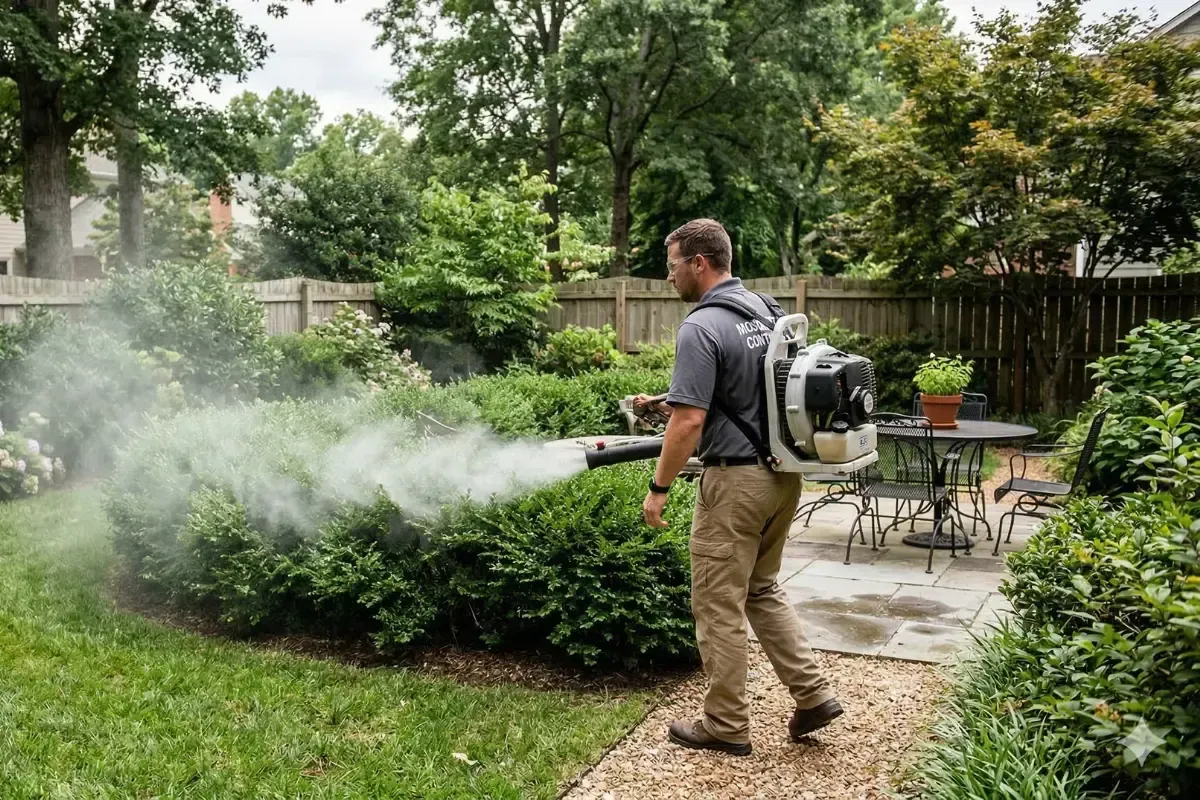
Unfortunately, in our quest to banish weeds out of sight, we’ve become blind to the true cost of doing so. The majority of lawn care companies, and some homeowners themselves, use toxic chemicals for controlling weeds. They also add synthetic fertilizer to revive the most grown crop in the United States - the lawn. And we’re paying for it with our health while taking down the planet with us.
Cash Is Greener
The fact that certain lawn chemicals are still freely available in the U.S. is, frankly, mind-blowing. But when you look a bit closer at the one institution founded to set and enforce national pollution-control standards, the Environmental Protection Agency (EPA), a story wrought with corruption and greed begins to emerge.
According to a whistleblower, members of the management at the EPA often switch between working for the chemical companies and the agency. The managers pressure the scientist to fast-track approvals for new chemicals, alter documentation that warns about the dangers of a chemical being reviewed, or otherwise harass and pressure them. Therefore, we shouldn’t be surprised the market is inundated with harmful chemicals intended for the sole purpose of better aesthetics.
Pretty Yard or a Death Trap?
Although it would be impossible to list all the toxic lawn chemicals in use, let’s highlight just a few of the most common ones. Glyphosate has made its way into wine, pasta, children’s cereals, you name it, through common agricultural practices. But glyphosate is also the main ingredient in one of the most infamous, and widely criticized, residential weed killers: Roundup.
Glyphosate exposure is shown to
increase the risk of non-Hodgkin lymphoma anywhere from 41 percent to 70 percent, as well as an
increased risk of bladder cancer. Additionally, glyphosate exposure can cause
cancer, vomiting, diarrhea, and loss of appetite in our pets.
2,4-D is one of the most commonly used lawn chemicals in the U.S. Exposure can
decrease fertility and raise the risk of birth defects. The World Health Organization (WHO) says the herbicide
possibly causes cancer in humans. Even by the EPA’s measure, 2,4-D has already been detected in groundwater and surface water, as well as in drinking water.
The EPA has declared another popular lawn chemical, atrazine, as
possibly carcinogenic to humans, but hasn’t banned it. And the CDC says, “Maternal exposure to atrazine in drinking water has been associated with
low fetal weight and heart, urinary and limb defects in humans.”
Punishing the Planet
Lawns are a monocrop, and just like in agriculture, a single crop grown on the same piece of land over and over depletes the soil and requires chemical fertilizers to survive. These synthetically manufactured fertilizers feed the grass directly, making it green, but kill the microorganisms surrounding it.
We are left with depleted soil, less efficient at sequestering carbon and absorbing water, and grass that is addicted to more and more of said fertilizer to survive. The increased water runoff, in turn, carries the fertilizer from our lawn to the surrounding streams and rivers, eventually feeding a massive annual algae bloom that blots out sea life. It also emits nitrous oxide, a greenhouse gas 300 times more potent than carbon.
What if, instead,
we fed our lawns with compost that is brimming with nutrients and microorganisms?
Regenerative Lawns
Contrary to what the chemical companies and the politicians they bribe (ahem, lobby) want us to think, alternatives to chemical weed killers and fertilizers exist. Carolina Turf is an organic lawn care company that uses only natural ingredients for our products. Our weed control is made with vegetable oil, vinegar, salt, lye, and citric acid. For maximum benefit, we combine our weed control spray with compost tea, ensuring your lawn stays healthy, safe, and beautiful.
Check out
our services to get started.
Related posts:
Is Your HOA Using Toxic Lawn Care Products In Your Neighborhood?
The Environmental Protection Agency is Evidently Corrupt
Reversing Climate Change Through Composting