The Ants Go Marching Into Your Home
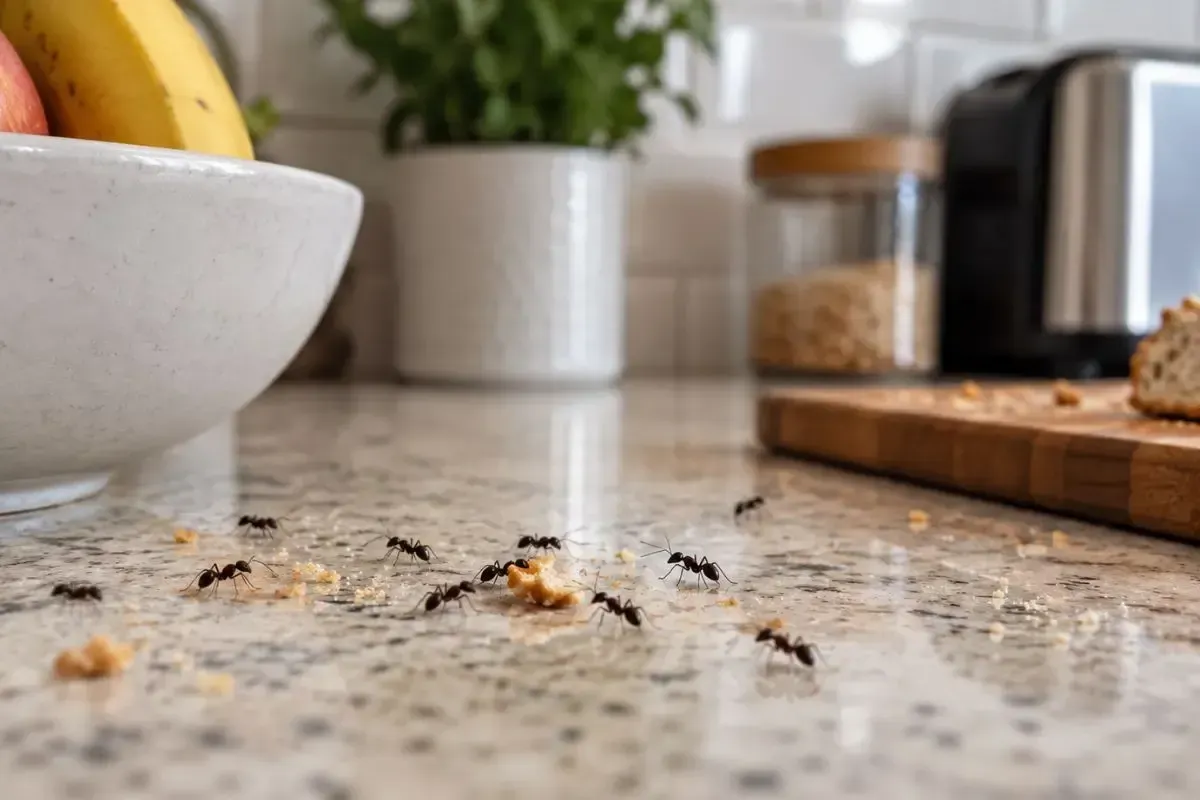
When you see ants marching across the kitchen counter or a cockroach disappear under a cabinet, your first thought is probably not pleasant. In fact, at least for the latter, there might be a bit of screaming involved.
How you get rid of those pests can be the difference between a healthy home and one filled with neurotoxins. Traditional pest control often relies on synthetic chemical pesticides designed to kill insects. While these products can be effective and are regulated for use according to their labels, they aren't the only way to control pests. By now you should know that the EPA, which regulates this stuff, is probably corrupt. If you want to reduce your family's exposure to synthetic pesticides, organic pest control is a good alternative.
What's Being Sprayed in Your Home?
"Pesticide" is a broad term for products designed to prevent, destroy, repel, or control pests. Conventional exterminators may use insecticides inside the home and around its exterior perimeter.
Many conventional pest control products are designed to interfere with an insect's nervous system. Common synthetic insecticides such as pyrethroids disrupt the normal movement of sodium through nerve cells, causing the insect's nerves to fire uncontrollably until it becomes paralyzed and dies. Other insecticides interfere with neurotransmitters or enzymes insects need for normal nerve function. Insect growth regulators work differently, disrupting an insect's ability to molt, mature, or reproduce.
"More toxic to insects" doesn't mean biologically inactive in humans, pets or other organisms.
Pesticides are designed to exploit biological differences between insects and mammals, which is why they can be highly toxic to insects at doses much lower than those that would cause the same effects in people. But "more toxic to insects" doesn't mean biologically inactive in humans, pets or other organisms.
Take bifenthrin, for example. This synthetic pyrethroid is found in professional pest-control products registered in the U.S. for use inside homes, including targeted treatments along baseboards, cracks and crevices, and other areas where pests hide. Yet bifenthrin is not approved in the European Union as a biocidal insecticide for this type of pest control. Your body isn't fundamentally different from the body of someone living in Europe, yet the regulatory difference is a good reminder that "approved for use" doesn't mean "without risk," and that every country has reached a different conclusion about where a pesticide should be used.
Hiring a pest control company shouldn't mean giving someone permission to spray without knowing what they're applying. Ask what product they're using, what the active ingredient is, where it will be applied, whether children or pets need to leave the area, how long you should stay away, and whether a less-toxic alternative is available. A reputable pest control provider should be comfortable explaining exactly what goes into and around your home.
Why Reduce Pesticide Exposure in Your Home?
You probably already know that at Carolina Turf we’re big advocates of reducing pesticide use on your lawn. But we’re talking about outside your house. Traditional exterminators may apply pesticides inside your home, where you, your family, and your pets spend hours every day.
Indoor applications also create more opportunities for direct exposure. Pesticide residues can remain on floors, baseboards, and other treated surfaces, while sprays and aerosols hang in the air during application. That’s why pesticide labels often include instructions about ventilation, keeping people and pets away from treated areas, and waiting a specified amount of time before reentering.
Children and pets deserve particular consideration because they interact with those treated surfaces differently than adults. Young children crawl and play on floors, put their hands in their mouths and touch surfaces adults barely notice. Pets walk across treated areas, lie on floors and groom themselves with their mouths. Also usually eat everything they’re not supposed to.
While proper ventilation can help reduce exposure after certain indoor pesticide applications, that’s easier said than done during pollengeddon or a 100-degree day in our lovely North Carolina. But if you can effectively control household pests without routinely applying synthetic pesticides inside the spaces where your family lives, we think that’s the better place to start.
Non-Toxic Pest Control for Your Home
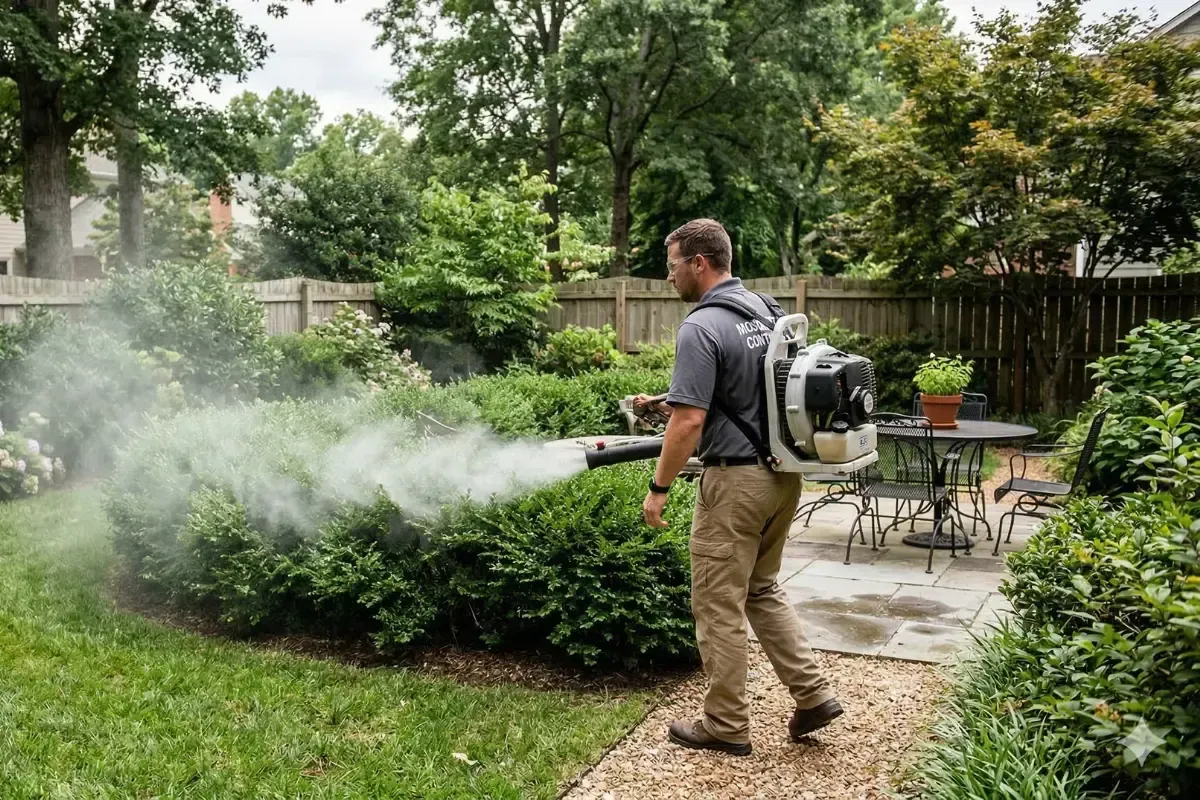
Organic pest control is surprisingly effective, as botanical oils are powerful insect repellents. Our organic pest control service uses peppermint oil, geraniol, and rosemary oil. Its strong aromatic compounds interfere with insects’ sensory systems, making treated areas unattractive and disrupting their ability to locate food, shelter, and other insects. When sprayed directly on an insect, these plant compounds can also penetrate or disrupt its protective outer coating and interfere with normal biological functions, resulting in death.
Because botanical oils break down naturally over time, they don't provide the same long-lasting chemical residue as many synthetic pesticides, so you'll need regular applications (once a month) to maintain the protective barrier around your home. We’ll spray the outside of your home along the foundation and leave a bottle of pest control for indoor use as needed.
In addition to our organic pest control spray, follow basic rules for preventing the pests from finding your house attractive:
- Seal cracks and openings that allow insects into the home.
- Remove food sources. Sugar ants feast in pet food bowls and on the crumbs your toddler left in the playroom from her snack.
- Address moisture problems by fixing leaks and eliminating damp areas or standing water can attract pests such as cockroaches, silverfish, and earwigs, as well as carpenter ants around damp or water-damaged wood.
- Clean clogged drains and gutters, where standing water and organic buildup can provide breeding sites for flies and mosquitoes.
Reducing pest habitat around the house. Remove fire ant mounds near the house and pull mulch away from your foundation. Damp mulch provides an ideal habitat for pests such as millipedes, earwigs, cockroaches, and other moisture-loving insects that may eventually find their way indoors.
Discourage spiders from settling in. Regularly remove spider webs and egg sacs from eaves, porches, window frames, and other areas around your home. Keep shrubs and vegetation trimmed away from the house and reduce outdoor lighting near doors and windows when possible, since lights attract the insects spiders feed on.
A Healthier Approach to Home Pest Control
At Carolina Turf, we've built our business around the idea that effective lawn and pest care doesn't have to include harsh synthetic chemicals. Our organic pest control focuses on controlling unwanted pests while being mindful of the people, pets, and beneficial organisms sharing the same environment.
Seeing an occasional insect doesn't mean your home needs to be saturated with pesticides. Our goal is to keep pest populations under control, prevent infestations, and make your home less inviting to the insects you don't want there. You should be able to enjoy your home and yard without wondering what was sprayed around where your children play, your pets explore, and your family spends time.