
How to Use Lime for Lawns in Raleigh-Durham
Achieving a vibrant lawn often requires more than regular mowing and watering. One of the most effective but frequently overlooked treatments for your yard is lime application.
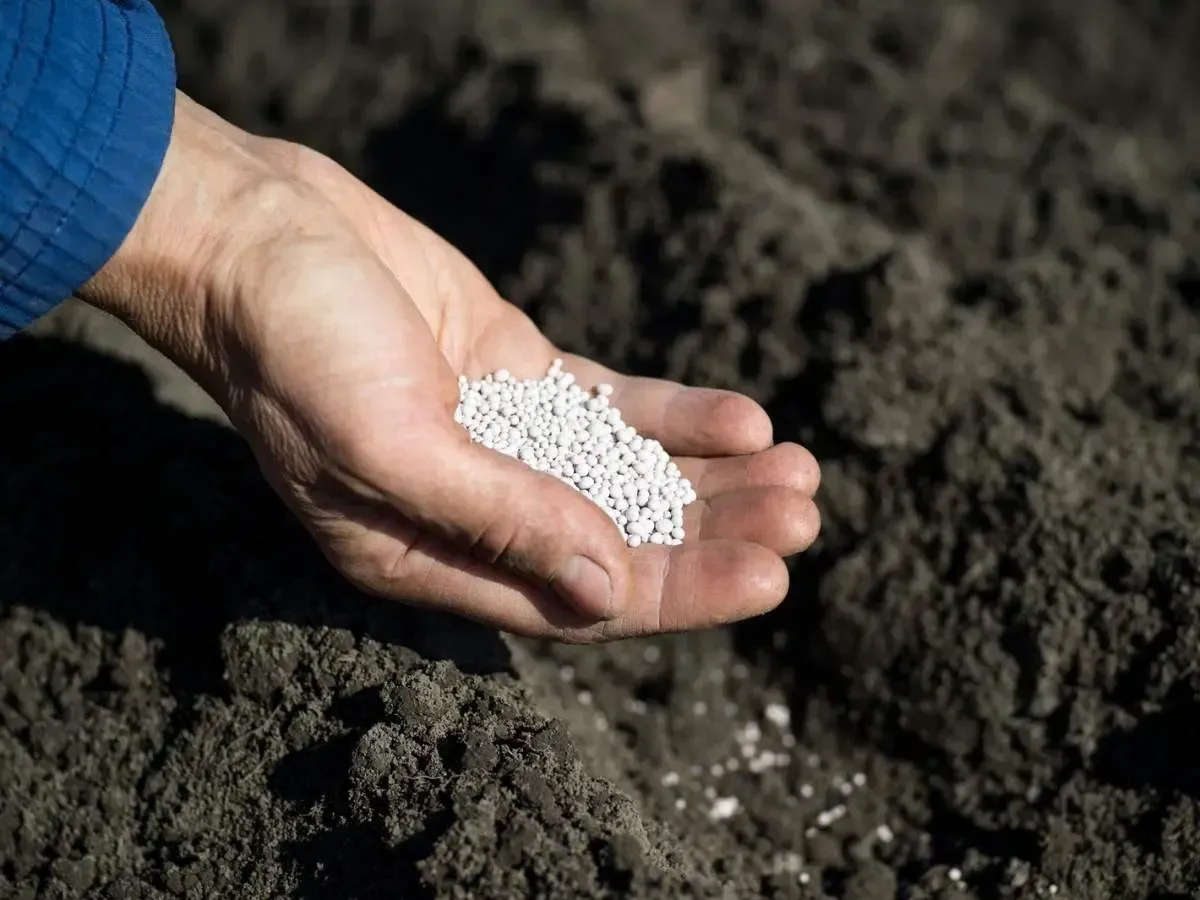
Adding lime is a simple process that can make a significant difference in your turf's overall health and appearance. Here’s everything you need to know about using lime for lawns, from what it does for your soil to how and when to apply it.
Why Lime is Beneficial for Your Lawn in Raleigh-Durham, NC
Lime is a naturally occurring mineral derived from limestone, and its primary purpose in lawn care is to balance soil acidity, which directly impacts nutrient availability. The soil is primarily clay for the Raleigh-Durham area, which tends to be naturally acidic—many types of grass struggle in overly acidic soils, where essential nutrients become less accessible. Applying lime can help neutralize soil acidity, allowing grass to absorb nutrients like nitrogen, phosphorus, and potassium more efficiently
By creating a more balanced environment, lime contributes to:
- Enhanced nutrient uptake. Plants can better access the nutrients they need when the soil is less acidic.
- Healthier root development. Lime strengthens the grass’s root system, creating a thicker, more resilient lawn.
- Improved turf density. Balanced soils help the grass grow uniformly.
When to Apply Lime to Your Lawn
While lime can be applied nearly any time the ground isn’t frozen, certain seasons can maximize its benefits. Many experts recommend applying lime either in early spring or late fall, as these seasons give lime time to integrate into the soil before peak growth in summer. Lime requires moisture to work effectively, so applying it before a rain shower can help it absorb into the ground.
Applying lime annually or biennially is typically sufficient, though this can vary depending on local soil conditions and the type of turf you have.
How to Apply Lime to Your Lawn
Lime application may seem intimidating, but the process is simple with a bit of preparation and the right tools. Here’s a step-by-step guide to applying lime to your lawn.
Choose the Right Type of Lime
There are two primary types of lime commonly used for lawns: calcitic lime and dolomitic lime. Calcitic lime is derived from calcium carbonate and mainly provides calcium, while dolomitic lime contains both calcium and magnesium. Dolomitic lime can be a better choice for soils deficient in magnesium, but either type will work for neutralizing soil acidity.
Purchase Granular or Pelletized Lime
Lime comes in two main forms: powder and pelletized (or granular). Pelletized lime is easier to spread as it produces less dust and is easier to handle. It breaks down more slowly, providing long-term benefits to your soil. Powdered lime works faster but can be messier to apply and might require more frequent reapplication. For pet owners, powdered lime can also be less desirable, as its fine particles can cling to fur and paws, potentially causing mild skin or stomach irritation if licked. Opting for pelletized lime can reduce mess and is generally safer for households with pets, as it is less likely to adhere to pets' coats and is easier to control during application.
Calculate the Right Amount of Lime
Too much lime can cause soil imbalances, so using the right amount is important. As a general rule, a typical application rate is between 20 and 50 pounds of lime per 1,000 square feet, but the ideal amount depends on your soil type and lawn condition. Start with a conservative application if you’re uncertain.
Spread the Lime Evenly
Use a either a broadcast or a drop spreader to apply lime evenly across your lawn. For best results, divide the total amount of lime you plan to use in half. Spread the first half of the lime by walking back and forth across your lawn in one direction (e.g., north-south), and then spread the second half by walking in the opposite direction (e.g., east-west). This crisscross method helps ensure thorough, uniform coverage.
Water the Lawn After Application
After applying lime, water your lawn to help it absorb into the soil. Moisture will aid in the breakdown of lime particles, which in turn helps it integrate more quickly and evenly. Regular rain showers will also assist with this process, but a light watering right after application is beneficial, especially if you’re not expecting rain.
Wait for Results
Lime takes time to work. Unlike fertilizers that offer immediate visual effects, lime gradually improves soil conditions over several months. After a few weeks, you may start seeing improvements in turf color and growth, but the full effects might only be evident in the following season.
Mistakes You Should Avoid When Using Lime for Lawns
While lime is a valuable tool in lawn care, there are a few common mistakes to watch out for. Applying too much lime can make soil overly alkaline, limiting nutrient availability and weakening grass growth. Alkaline soil can also encourage certain weeds and disrupt beneficial microbial activity essential for healthy turf.
Stick to recommended application rates and only reapply as needed. For best results, mow the grass and remove any debris, such as leaves and clippings, before applying lime to help it reach the soil directly, but pelletized lime should reach the ground regardless. Lime application is most effective when the lawn is healthy. If your grass is stressed by drought, extreme temperatures, or pests, address those issues before adding lime. Lime doesn’t offer quick fixes. Instead, it works gradually, so patience is key. Give it time to adjust the soil pH, and you’ll see long-term improvements.
Additional Tips for a Thriving Lawn
While lime is essential for balancing soil acidity, it works best in combination with other good lawn care practices. Regularly
fertilizing, overseeding, aerating, and watering your lawn can complement the effects of lime and promote a healthier, more resilient turf. We recommend that you only
use organic products for weed and pest control on your property for the sake of your family’s health.
If all of this sounds like a lot and you’re uncertain about when or how much lime to use, Carolina Turf automatically includes lime application into our weed control & fertilization program.
Using lime for lawns can be a game-changer if you want to boost turf health and density. When applied correctly, lime helps unlock essential nutrients, strengthens root systems, and contributes to a beautiful and sustainable lawn. With a little bit of patience and regular maintenance, you’ll soon enjoy a healthy lawn that stands out year-round.