The Hazards of Many Herbicides and Pesticides
Carolina Turf Offers Organic Alternative

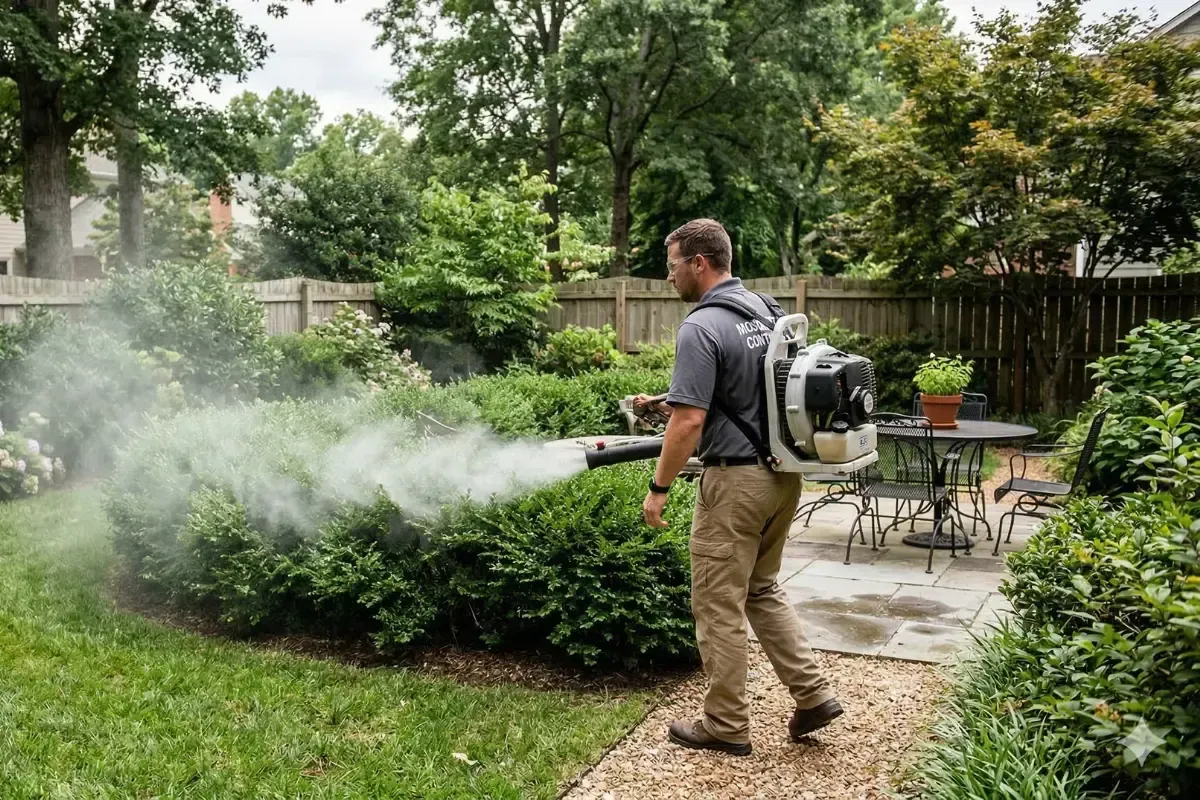
Organic products at the grocery stores are gaining more shelf space as consumers attempt to avoid eating dangerous herbicides and pesticides, yet many of us continue to allow the spraying of weed and pest control chemicals on our yards and in our homes. The owner of Carolina Turf Organic Lawn Care & Pest Control, Houston Hinson, decided to switch to all-organic services after taking a certification course for commercial weed control license. After hearing the recommendation to wash his clothes in a separate washer than his family’s unit after spraying weed control to avoid cross-contamination, he wondered how something that toxic could possibly be harmless when applied to our yards. He set out to find effective alternatives that would keep his family, employees and clients safe. “I could either sit back and do nothing, or I could do my part to change everything.”
Most environmentally conscious consumers know by now that glyphosate, the active ingredient in Roundup, should be avoided. But the product is just one of the many dangerous toxic products that are being liberally applied to most commercially treated lawns, both around our homes and in public parks, schools and sidewalks.
Humans aren’t the only ones at risk from these chemicals; our pets are especially vulnerable from playing in the grass that has been sprayed. A study from Tufts University showed that exposure to lawn pesticides, specifically those applied by professional lawn care companies, raised the risk of canine malignant lymphoma by as much as 70 percent.
The Organic Alternative
The 20th century was wrought with product ideas gone wrong: DDT to combat malaria, Agent Orange for warfare, asbestos for fireproofing. At Carolina Turf, “we believe the chemicals currently being used in landscaping—glyphosate, 2,4-D, atrazine, and hydramethylnon—are not that different in that the laws have yet to catch up on the dangers of their widespread use on our health and our environment,” adds Hinson.
“Instead of working against nature and trying to poison the pesky weeds and bugs, we use all-natural ingredients proven to work just as effectively. We have been serving homes around Raleigh for more than a decade and are now expanding our organic lawn care and pest control services to Wilmington and surrounding areas.”
Beware of Lawn Care and Pest Control Chemicals
If one is hiring a company to treat the lawn or spray for bugs in the home, ask them for the list of ingredients or the pesticide and herbicide brands they’re using. If any of the following are included, stop the service immediately and seek alternative options. One might also call their homeowner’s association, town and school district to find out what their vendors are using.
2,4-D
2,4-D is one of the most commonly used lawn chemicals in the U.S. The World Health Organization (WHO) says the herbicide possibly causes cancer in humans. 2,4-D was one of the two active ingredients in the infamous Agent Orange used in the Vietnam War. By the environmental Protection Agency’s (EPA) own measure, 2,4-D has already been detected in groundwater and surface water, as well as in drinking water. A couple of widely used brands with 2,4-D as the primary ingredient include Speedzone and Surge.
Atrazine
The U.S. Environmental Protection Agency has declared atrazine as possibly carcinogenic to humans. And the Centers for Disease Control and Prevention says, “Maternal exposure to atrazine in drinking water has been associated with low fetal weight and heart, urinary and limb defects in humans.” Atrazine is used on residential lawns and golf courses, particularly in the Southeast U.S.
Glyphosate
The WHO has classified glyphosate as probably carcinogenic to humans. Twenty-five countries have now either banned or restricted the use of glyphosate-based herbicides, but we are not one of them. Last year Bayer, the manufacturer of glyphosate-based Roundup, settled a $10.9 billion lawsuit with tens of thousands of plaintiffs claiming the weedkiller caused their cancer. Furthermore, glyphosate is not the only ingredient in Roundup. While the manufacturer does not have to reveal the inactive ingredients on its label due to them qualifying as “trade secrets”, one of the inert ingredients in Roundup, polyoxymethylene alkylamine, a surfactant, according to research was harmful to the living cells and about 2,000 times more toxic than lower doses of glyphosate only.
Hydramethylnon
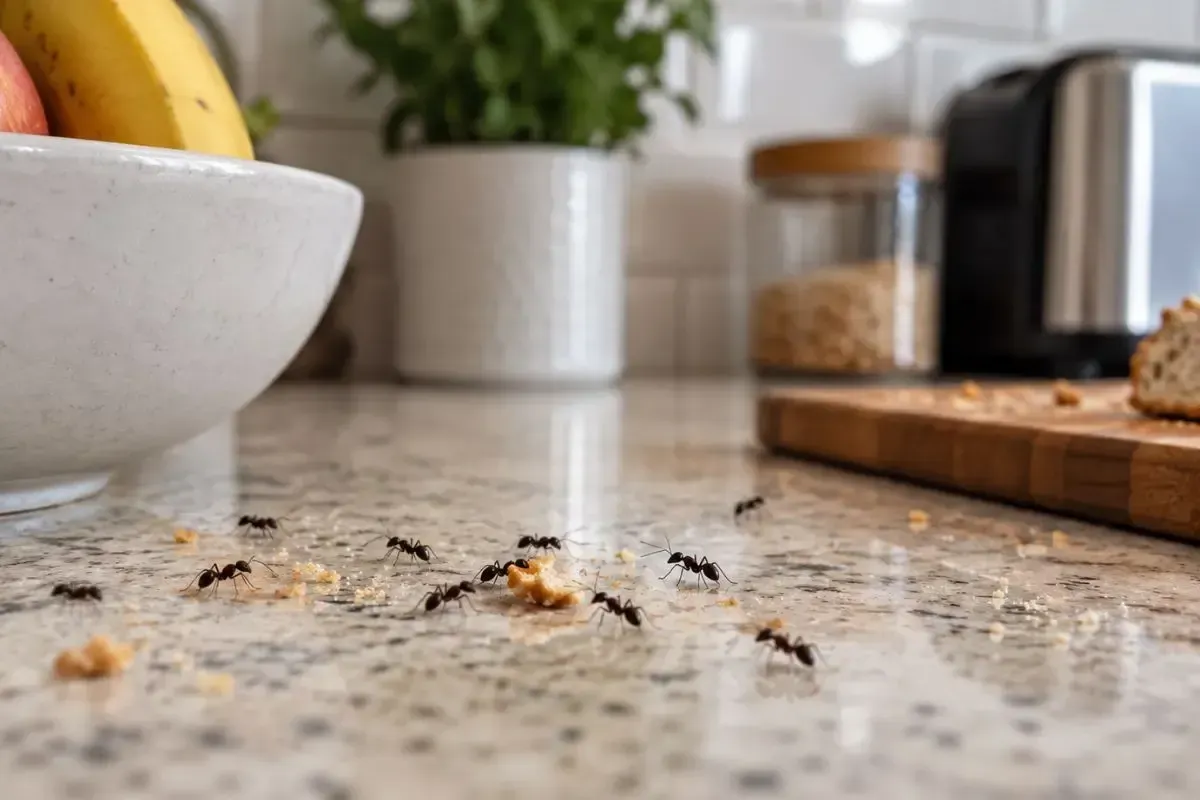
This is a pesticide used to control ants, cockroaches, crickets and termites that the EPA has classified as likely to be carcinogenic for humans, based upon statistically significant lung adenomas and carcinomas. Probably the most well-known brand is Amdro. Since this product is granular, pets are particularly vulnerable since they often find and eat the granules.
This article originally appeared in Natural Awakenings Coastal Carolinas.
Related pages:
Toxic Lawns: The True Price of a Pretty Yard