Your Good Boy Deserves a Safe Yard
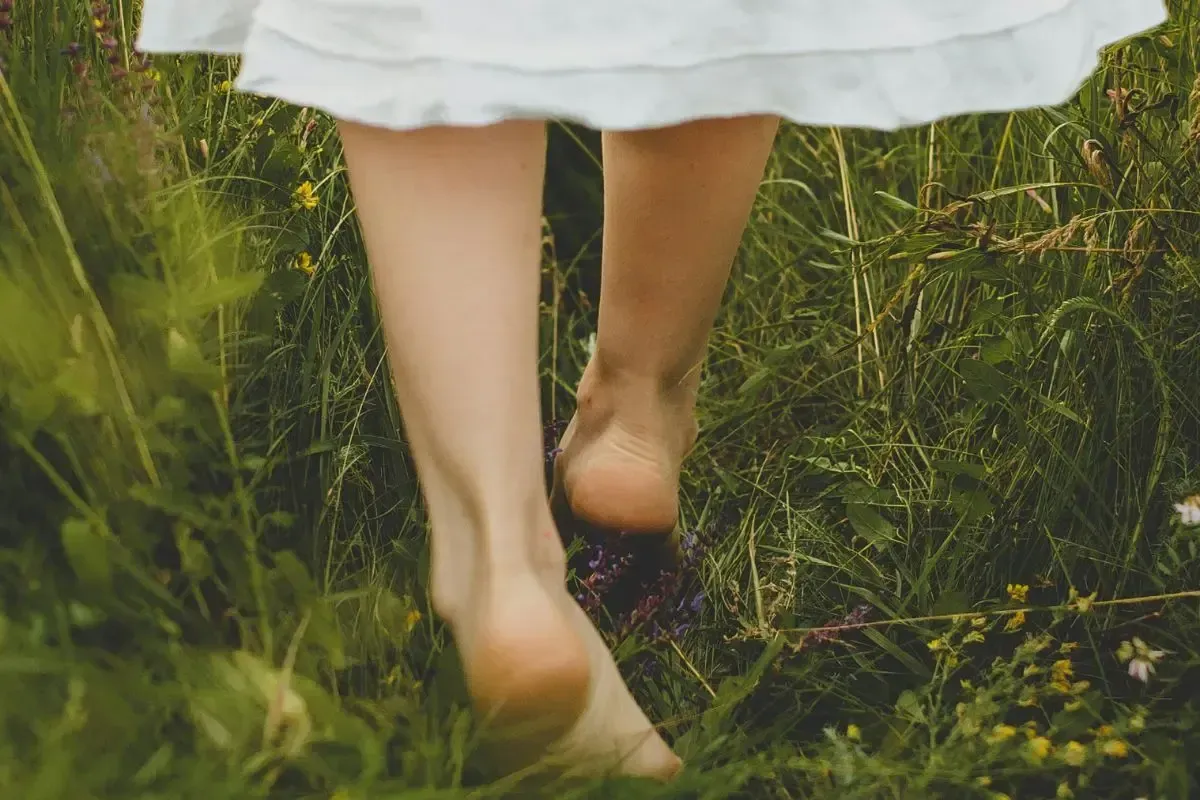
Bare paws expose our dogs to a greater amount of environmental toxins than their shoe-clad owners.

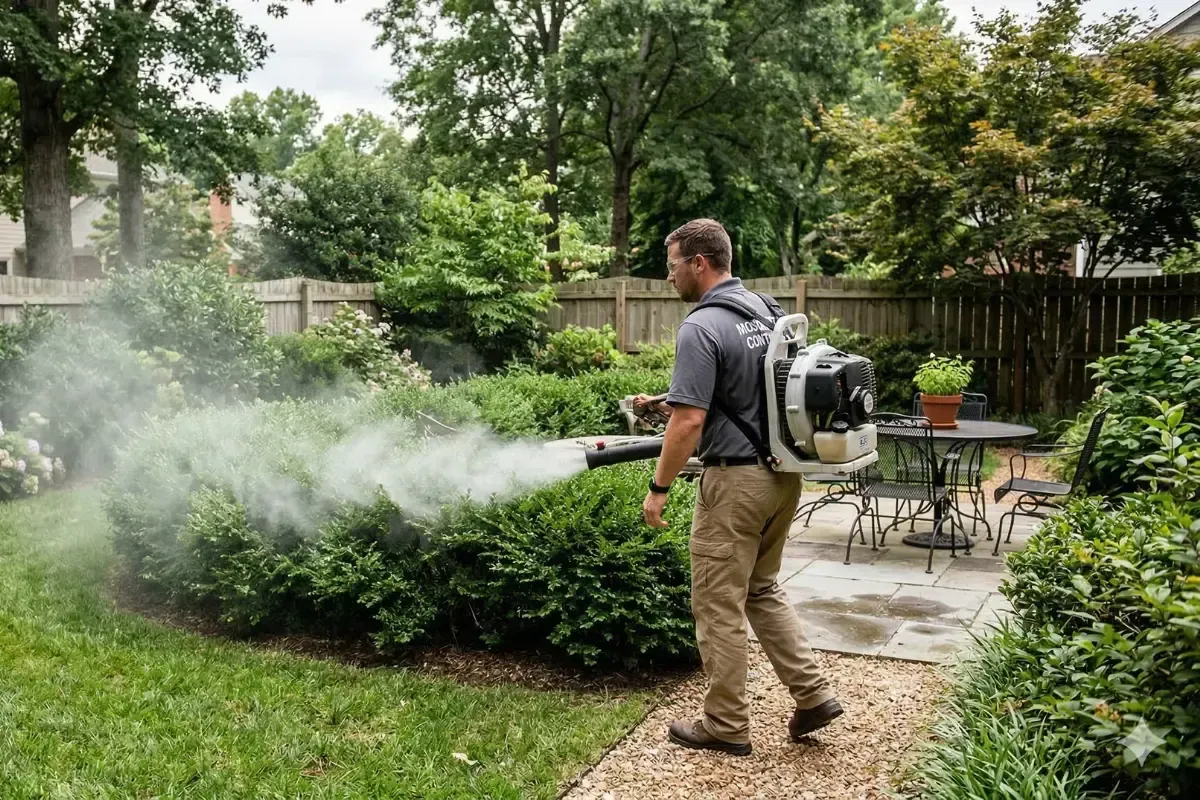
It takes an average of 48 hours for lawn chemicals to dry off and to be absorbed after application. While professional lawn care companies are legally required to post a sign to not walk on the yard until dry, our pets don’t have the luxury of putting off their bathroom break for two days.
Higher Cancer Risk
A recent study found that “exposure to herbicide-treated lawns has been associated with significantly higher bladder cancer risk in dogs.” Dogs not only absorb these toxins through their skin, but they also lick their paws and end up directly ingesting the chemicals. We lost our own dog, Misty, to skin cancer after moving to a neighborhood where the park we walked her 3x a day was treated with 2,4-D, atrazine, and glyphosate. And one of our clients switched to organic lawn maintenance after their dog was rushed to the vet following a traditional weed control application.
We shouldn’t have to choose between the safety of our best friends and the curb appeal of our homes. These nasty chemicals, relics from the 20th century and banned in many other countries, are not our only option. There are organic alternatives, however chemical manufacturers are not willing to give up their cash cow as long as the laws aren’t stopping them. They’re certainly lobbying to keep the legislation from changing. And traditional weed control companies continue to apply these chemicals since they are effective, ignoring the ethical dilemma of exposing their customers to proven carcinogens.
"Exposure to herbicide-treated lawns has been associated with significantly higher bladder cancer risk in dogs."
The good news is, you can vote with your wallet. There are organic lawn services companies available,
Carolina Turf being one of them. If you’re willing to do the work, you can also mix your own organic weed control from natural ingredients like vegetable oil, soap, citric acid and vinegar. We have a
program to help you get started.
There Is No Planet B
As pet owners, we should do our part not only to keep our fur babies safe, but also look after our planet. It goes without saying that applying chemicals that are harmful to us and our dogs are also a burden on our environment and wildlife. But we can also take a more sustainable approach to caring for our pets:
- Don’t use regular plastic bags for scooping poop; make sure your bags are not only biodegradable but 100% compostable. Same goes for cat litter bags.
- Avoid buying plastic toys.
- Purchase non-GMO or organic dog food. GMO crops are sprayed with those same weed killers we’re trying to avoid.
- Ensure your dog food comes in a biodegradable packaging.
At the end of the day, we want what’s best for our furry friends, which also happens to be best for our planet.