Are Golf Courses Exposing You to Toxins?
Unearthing the chemical cocktail behind pristine greens.

Imagine standing at the first tee of a picturesque golf course. The sun is shining, there's a gentle breeze, and before you stretches a vast expanse of perfectly manicured green. But beneath this serene facade lies an often overlooked threat: the extensive use of lawn pesticides and herbicides.
Toxic Fairways
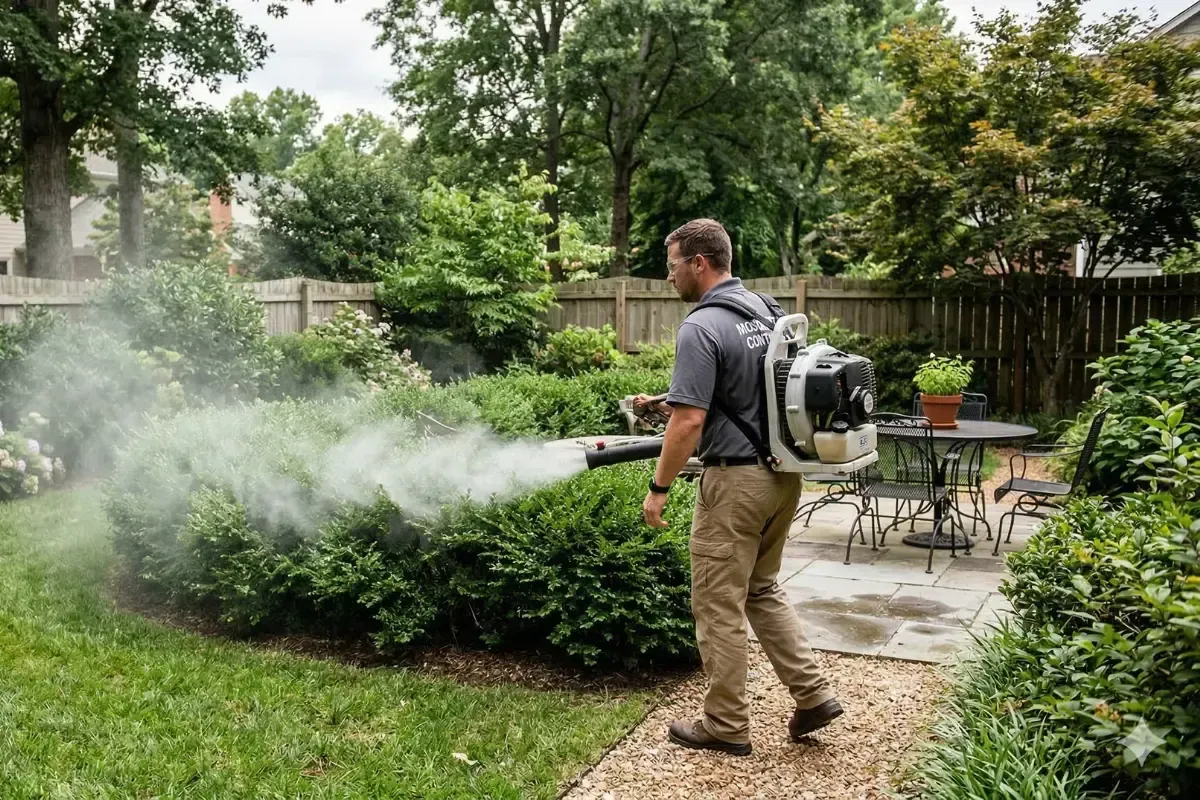
To achieve that magazine-cover look, golf courses have historically relied on a cocktail of pesticides and herbicides. These chemicals, including names you might recognize like Glyphosate or 2,4-D, promise quick solutions to persistent problems like stubborn weeds or insect invasions. But their story doesn't end after they're sprayed onto the turf.
For the golfers, caddies, and dedicated ground staff, their day-to-day interaction with the golf course brings them into close contact with these chemicals through the skin or inhalation. Over time, even minor exposures can accumulate, and with some of these chemicals linked to severe health conditions, the stakes are high. Several of the chemicals used are known carcinogens or endocrine disruptors. Extended exposure, even at low levels, might increase the risk of chronic health conditions like cancer, reproductive issues, or hormonal imbalances.
Concerning Chemicals
2,4-D: Initially used as a component in Agent Orange, 2,4-D induces a cancer-like process in plants, leading to questions about its potential effects on humans.
Chlorpyrifos: Extensively used in various settings, including golf courses, this insecticide can affect the nervous system in high doses.
Glyphosate: Roundup, a commonly available herbicide, contains glyphosate, which has been associated with potential carcinogenic effects.
The danger posed by these chemicals isn't limited to those at the golf course. People living nearby are at increased risk as well with chemical drift. Everyone, especially pregnant women and children, may be at risk. Studies have shown associations between 2,4-D exposure and reduced semen fertility, birth abnormalities, and oxidative stress. Chlorpyrifos, meanwhile, has been linked with developmental delays and reduced birth weights. Glyphosate, too, has potential endocrine-disruptive properties.
And golf courses don’t use these chemicals sparingly. Back in 1991, more than 50,000 pounds of pesticides were used on golf courses, which was 4-7 times the amount used in agriculture per acre basis. Some of those chemicals have now been banned. The EPA banned the use of Paraquat on golf courses in 2022, and the governor of Connecticut prevented the use of
Chlorpyrifos as of 2023 in his state. According to
Beyond Pesticides, researchers found that pesticide risks from golf courses in the U.S. were, on average, 15 times higher than those in the EU.
Ripples in the Pond
As rain falls and sprinklers operate, runoff from the fairways and greens begins its journey. Along the way, it can pick up these chemicals, eventually transporting them into nearby water sources. Ponds, streams, and even underground aquifers can become tainted, affecting aquatic life.
Pesticides and herbicides can have dire consequences on non-target species. Birds, amphibians, and beneficial insects can suffer from direct exposure or by consuming contaminated food sources.
Frequent chemical applications can also deteriorate the natural quality of the soil, reducing its organic content and microbial activity. Over time, this can lead to compacted soil, increased erosion, and a diminished ability for the ground to support healthy plant life. Which in practice means even more chemicals and synthetic fertilizers are needed to keep the grass alive.
Changing Course
As awareness grows, so does the desire for change. A movement towards organic golf courses is burgeoning. Some golf courses are transitioning to organic maintenance practices. These courses use natural means to control pests and promote healthy turfgrass, avoiding synthetic chemicals entirely.
With every round, we can vote with our feet and our wallets. By choosing to play at and support environmentally-conscious courses, we drive the demand for safer and more sustainable practices.
Conclusion
While golf courses provide beauty and recreation, it's essential to be aware of the potential dangers lurking beneath the surface. As we become more informed about the risks of lawn pesticides and herbicides, we can advocate for safer, more sustainable golf course management practices, ensuring that these green spaces remain true oases for generations to come.
Related content:
Toxic Lawns: The True Price of a Pretty Yard
The Environmental Protection Agency is Evidently Corrupt
Is Your HOA Using Toxic Lawn Care Products in Your Neighborhood