When to Plant Fescue with Organic Grass Seed
Learn how to plant and care for fescue with organic grass seed. Our step-by-step guide covers soil prep and seeding to post-care.

For homeowners in the Raleigh-Durham area, the dream of a perfect lawn starts with choosing the right grass seed and knowing the perfect time to plant it. In this blog, we’ll guide you on when to plant fescue step-by-step using organic grass seed.
The Reason Behind Fall Seeding
Fall brings cooler temperatures and increased rainfall, while the soil remains warm from the summer months—perfect conditions for fescue germination. Fescue is a cool-season grass, meaning it thrives in cooler weather and stays green throughout the winter. Unlike warm-season grasses, which go dormant and turn brown as temperatures drop, fescue remains vibrant even in the colder months. By seeding in the fall, you're giving your fescue a head start, allowing it to establish a strong root system before winter. This sets the stage for a healthy, resilient lawn when spring arrives. Seeding earlier in the year doesn’t offer these benefits, as the summer heat can stress new fescue seedlings.
Preparing Your Lawn for Fall Fescue Seeding
Before you even think about scattering seeds, your lawn needs some TLC. Preparing your soil is a good idea for successful fescue seeding. By aerating your lawn, you create pockets where seeds can settle and roots can grow. Dethatching is equally important; it removes the layer of dead grass that can prevent seeds from reaching the soil. These steps are essential for a strong, healthy fescue lawn.
Choosing the Right Organic Fescue Seed
Not all fescue is created equal. Tall fescue is a popular choice because of its deep root system, which makes it more drought-resistant. However, fine fescue might be better if your lawn is heavily shaded.
When selecting your seed, go for quality. High-quality organic grass seed ensures better germination rates and a healthier lawn. Organic seeds are untreated, free from synthetic chemicals, and better for the environment. Plus, starting with organic grass seeds means your lawn care routine can stay eco-friendly from the get-go.
Organic Lawn Treatments Before Seeding
Your soil is ready, and your seeds have been selected. Now it’s time to give your lawn a little extra love.
Organic fertilizer or compost can enrich your soil, providing the nutrients your fescue needs to thrive. Spread a layer of compost on your lawn and work it into the topsoil to boost its organic matter content.
If weeds are a concern, tackle them organically before seeding. Vinegar-based sprays or corn gluten meal are great options for controlling weeds without resorting to harsh chemicals. However, wait 3-4 weeks after applying any weed control before seeding to ensure the fescue seeds can germinate without interference. Your goal should be to create a welcoming environment for your seeds that is free from competition.
.
How to Seed Fescue in the Fall
Start by evenly spreading your organic fescue seed across the lawn. The seeding rate varies, but a good rule of thumb is about 5 to 8 pounds per 1,000 square feet. For even distribution, consider using a spreader, which will ensure that every inch of your lawn gets its fair share of seed.
When it comes to seed depth, aim for about ¼ to ½ inch deep. Too shallow, and the seeds might dry out; too deep, and they might not germinate at all. After seeding, gently rake the soil to cover the seeds, giving them a snug spot to germinate.
Watering Your Fescue Seeds: Consistency is Key
Watering is where many lawns make or break. Fescue seeds need consistent moisture to germinate, especially during those first few weeks. Water your lawn lightly but frequently—two to three times a day—to keep the top layer of soil moist. Once you see sprouts, you can gradually reduce the frequency but keep the soil consistently moist until your fescue is well established.
Protecting Your New Fescue Lawn
Your seeds are in the ground, and they’re starting to sprout. Now, it’s time to protect your investment. Keep foot traffic to a minimum while your lawn is establishing. If you have pets or kids, consider setting up barriers or signage to keep them off the grass.
Some homeowners use straw to help retain moisture and protect the seeds from birds. Just be sure not to apply too thick of a layer, as you don’t want to block sunlight or airflow to the new grass. Additionally, avoid applying any weed control products to your new grass for at least a month, allowing the young seedlings to establish without added stress.
Post-Seeding Care
Once your fescue has germinated, it’s time for a bit of nourishment. Apply an organic fertilizer that’s rich in phosphorus to encourage strong root growth. Timing is everything—wait until your fescue is a few inches tall before applying fertilizer. This ensures the roots are ready to absorb the nutrients.
Organic fertilizers release nutrients slowly, providing a steady supply of what your grass needs as it prepares for winter. This slow-release process also means less risk of burning your grass, keeping your lawn safe and healthy.
Weed and Pest Control in Late Fall
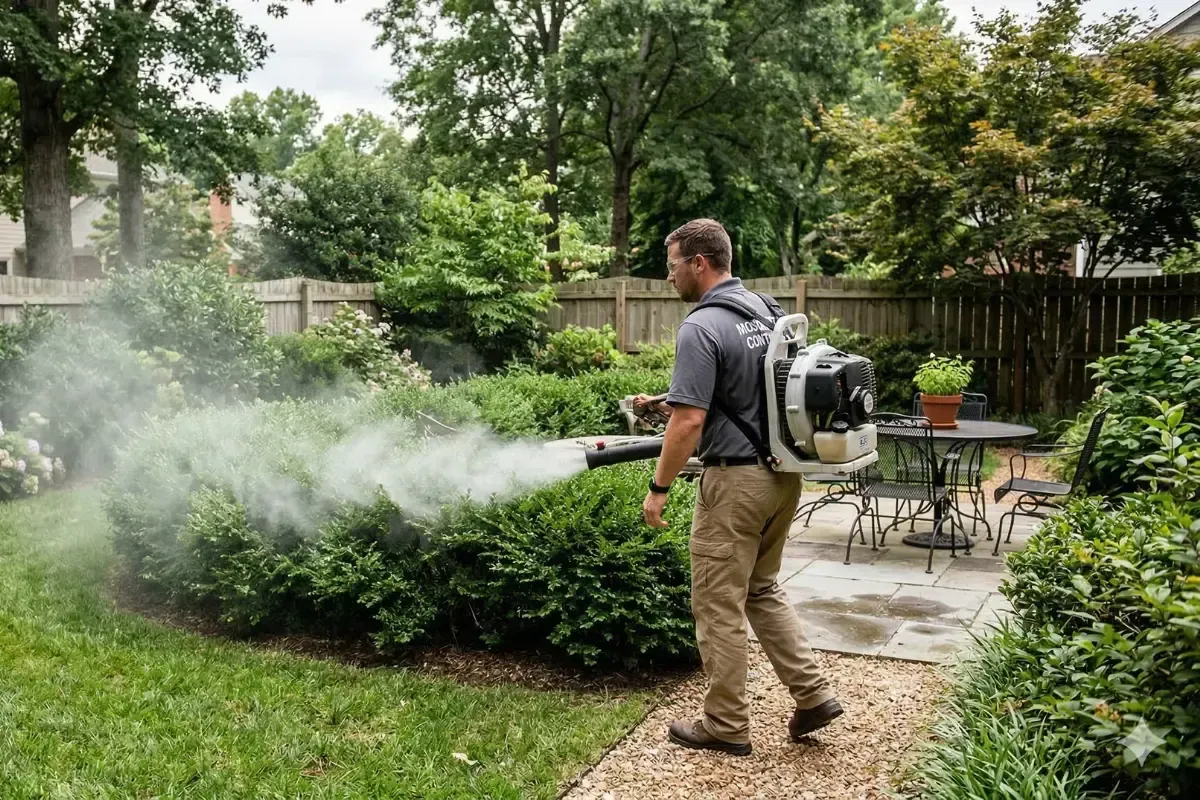
Even as temperatures drop, weeds and pests can still pose a threat to your lawn. Look out for common fall weeds like chickweed and henbit, which can invade your fescue as it’s trying to establish. Organic weed control methods, like hand-pulling or treating with natural herbicides, can keep these invaders at bay.
Pests like
grubs and armyworms can also be a problem. Organic insecticides or beneficial nematodes are excellent options for keeping your lawn pest-free without harming beneficial insects or pollinators.
Preparing Fescue for Winter
As fall winds down, give your fescue one last deep watering to support root development. Give your lawn a final mowing—cut your grass a little shorter than usual, about 2.5 inches, to help it stay tidy and resilient throughout the cooler months. A well-maintained lawn will be ready to thrive when spring returns.
Why Organic Methods Matter for Fall Seeding
Using organic methods isn’t just good for your lawn—it’s good for the planet. Organic fertilizers and treatments reduce the amount of harmful chemicals that will run off into waterways or leach into the soil. They also promote biodiversity, encouraging a healthy ecosystem in your lawn.
Organic lawn care helps build a lawn that’s resilient to stress, diseases, and pests, all without relying on synthetic chemicals. The healthier your soil, the healthier your lawn, and the better it can withstand whatever nature throws its way.
Long-Term Health of Your Fescue Lawn
Starting with organic practices in the fall sets your lawn up for long-term success. A healthy, organic lawn is more drought-resistant, less disease-prone, and better at withstanding environmental stressors. And because organic practices focus on building soil health, your lawn will continue to improve year after year.
Organic treatments also prevent soil degradation, ensuring your lawn remains fertile and productive. By choosing organic from the start, you’re not just growing a lawn—you’re investing in a sustainable, healthy environment for the future.
Conclusion: The Best Time to Plant Fescue is in the Fall
As you prepare your lawn in the fall season, remember that every step you take now will pay off come spring—and many years to come. At Carolina Turf, we use only organic grass seed and can take care of your lawn maintenance from soil preparation—including aeration and compost top dressing—to post-care with organic weed control and fertilization and pest control. Your dream lawn is just a few seeds away!