Local Lawn Mowing Services in Raleigh-Durham
A freshly cut lawn says a lot about a home. When your grass is trimmed neatly with clean edges, it makes the entire property look well-maintained and intentional.
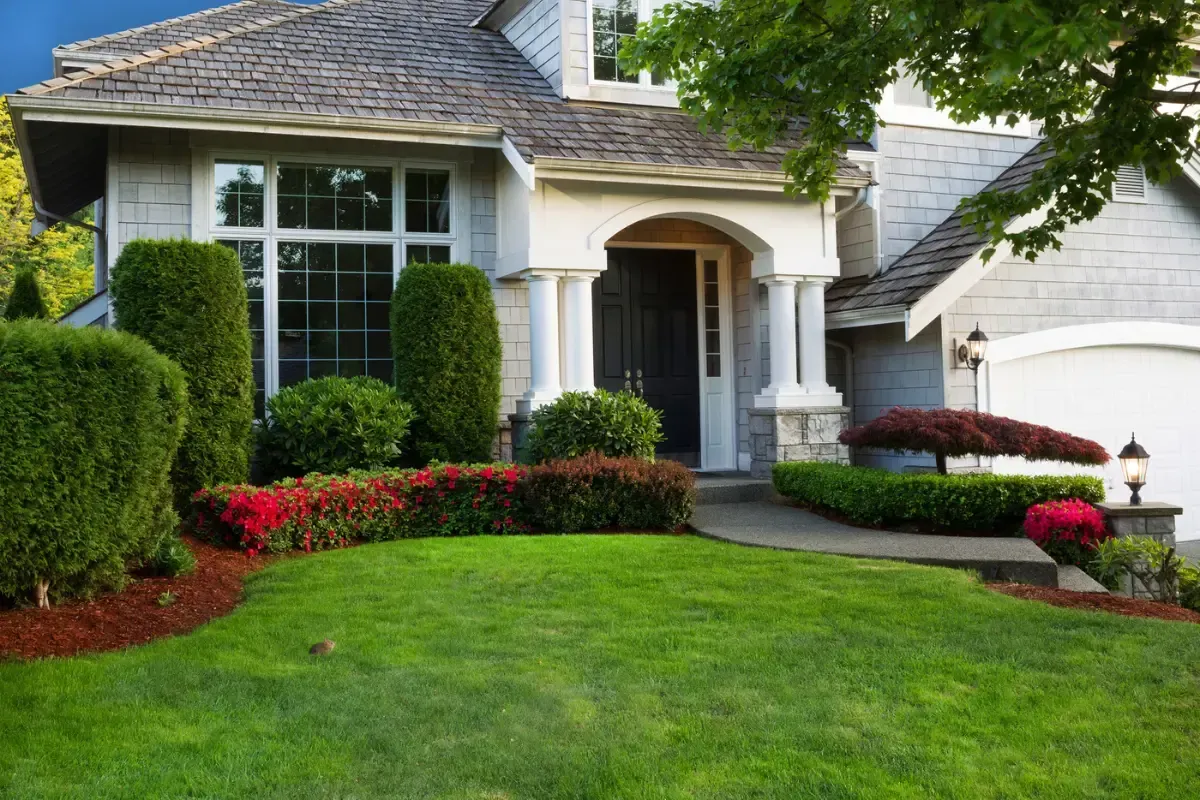
In Raleigh-Durham, where grass grows fast and the weather can flip on a dime, skipping a mow or letting a few extra days slide can quickly turn your yard into a headache. To help you stay ahead of the chaos, we now offer local lawn mowing services for customers using our organic services.
Long Grass Hurts More Than Your Property Value
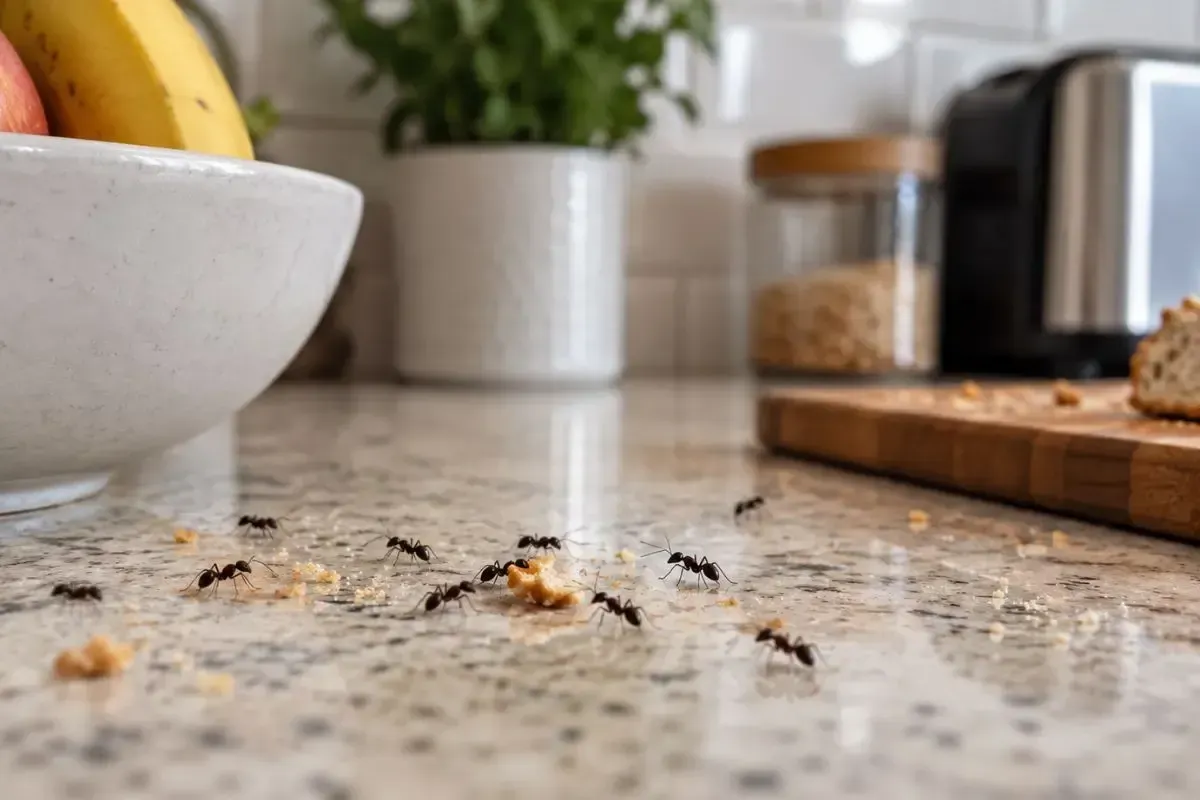
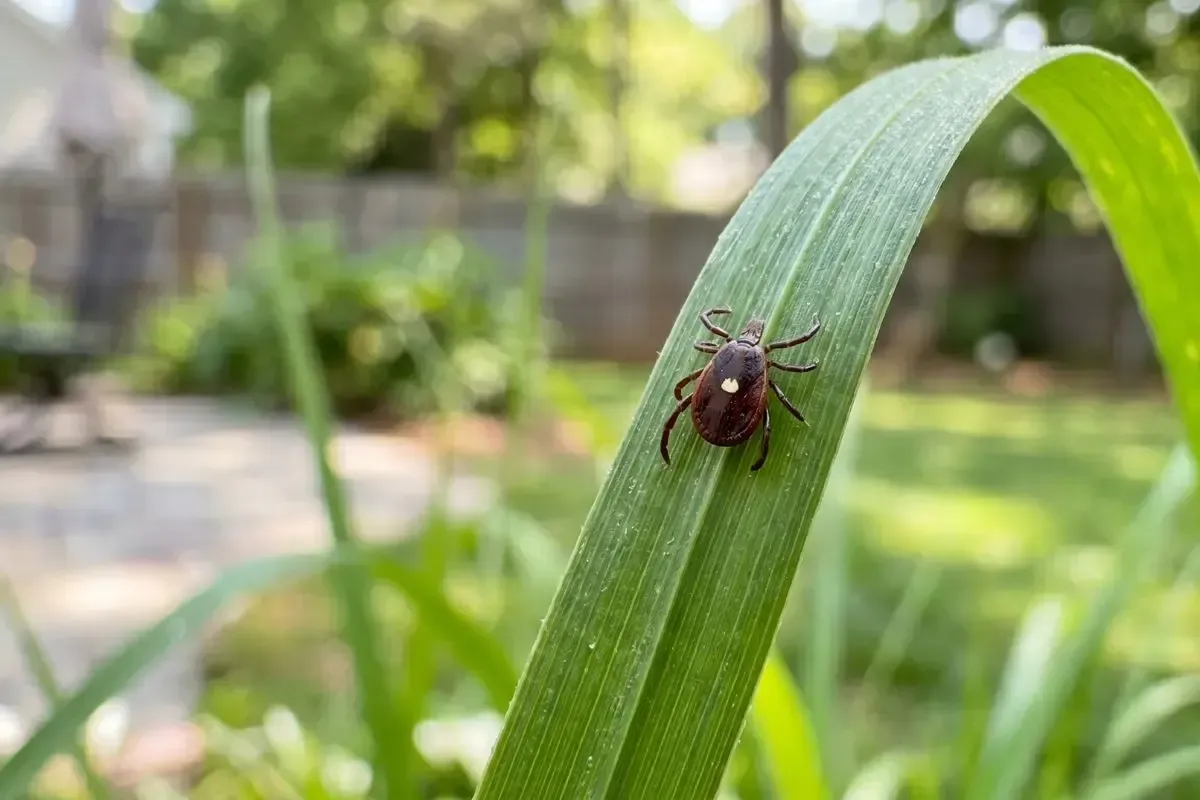
When you let the grass go too long between cuts, it doesn’t just affect appearances, but attracts other problems, too. Tall grass creates the perfect cover for snakes, mice, ticks, and other pests. The longer the grass stays up, the more attractive it becomes as a hiding place.
Even without visible critters, overgrown lawns are a red flag. Neighbors notice. HOAs notice. And eventually, so do you—when it takes twice as long to cut and makes your yard feel less usable.
When you skip mowing for too long, you’re more likely to miss the early signs of weed growth. Once weeds take hold, especially in thin or uneven spots, it’s harder to get ahead of them. And when you finally cut tall grass down, you can leave behind clumps or scalped areas that open the door for even more problems. Before long, your lawn can start to look patchy and less uniform, especially when the rest of the street is on a steady schedule.
Why We Cut Every 1–2 Weeks
We keep our mowing schedule tight for a reason. Waiting more than two weeks to mow gives the grass too much time to grow out of control, and that leads to a harder cut, heavier clippings, and more mess.
When you mow regularly, you’re making the job easier on your lawn, your soil, and your results. You avoid bogging down the mower in thick patches. You reduce the chance of smothering areas with heavy clippings. And you keep the whole yard looking uniform.
At Carolina Turf, we stick to a 7–14 day schedule. That’s the sweet spot for staying ahead of growth without putting stress on the lawn or wasting your investment in organic care. It’s also how we avoid the “rescue mow” scenario—where we show up to grass that’s knee-high and have to bring it back down in stages.
When you cut more than one-third of the grass blade at once, you create too many clippings for the lawn to absorb. That excess material builds up on top of the turf, forming a layer of thatch that can block sunlight and moisture from reaching the roots. It also increases the risk of fungus.
Cutting just a third of the blade is ideal. It helps the clippings break down quickly and return nutrients back to the soil naturally. It’s a clean cut with a clean finish, and it supports the work we’re already doing through organic fertilization and weed control.
Edging Makes the Difference
Edging is the step that gives your property a crisp, polished look. It’s what separates a professionally maintained yard from the rest. With edging, we create sharp, clean edges along driveways, sidewalks, and flower beds, cutting back the grass that slowly creeps over those borders week after week.
Without a proper edge, a lawn looks messy, even if it’s freshly mowed. With clean lines and clearly defined transitions between turf and hardscaping, the entire yard appears intentional and well-maintained.
Blowing: The Final Touch
Leaving grass clippings behind on the driveway or scattered across the sidewalk makes the whole job look unfinished. That’s why we always blow off hard surfaces after every mow. It’s the last step, but it’s what pulls everything together. No green trails leading up to your front door. No grass sticking to your patio furniture. Just a clean finish that looks good from the curb and feels even better when you step outside.
Why We Combine Mowing with Organic Service
Carolina Turf actually started as a mowing company more than 15 years ago and is how we built our roots in the Raleigh-Durham community. But over time, we shifted our focus to organic weed control, fertilization, and soil health because our customers wanted lawns that looked great without harsh chemicals. However, we never stop getting the question: Do you mow lawns as well? We still have the equipment, we still have the skill. So we’re back at it!
When you let us handle both mowing and organic care, everything works together. We don’t offer mowing as a standalone service because mowing without organic maintenance is only half the equation. But when it’s part of a complete plan, it helps us deliver the kind of results you can see every time you pull into the driveway.
Mow Mow Mow Your Lawn
A good-looking lawn takes steady work and the right balance of treatments and maintenance. If you’re already committed to growing a healthy, chemical-free lawn, mowing on schedule is part of the process. And if you’re not able to stay ahead of it yourself, we’re here to take it off your hands. Add regular mowing to your organic service plan and let Carolina Turf handle the hard part.