Why Does My Neighbor's Yard Look Better Than Mine?
If you think the grass is greener on the other side, here are some reasons why that might be...
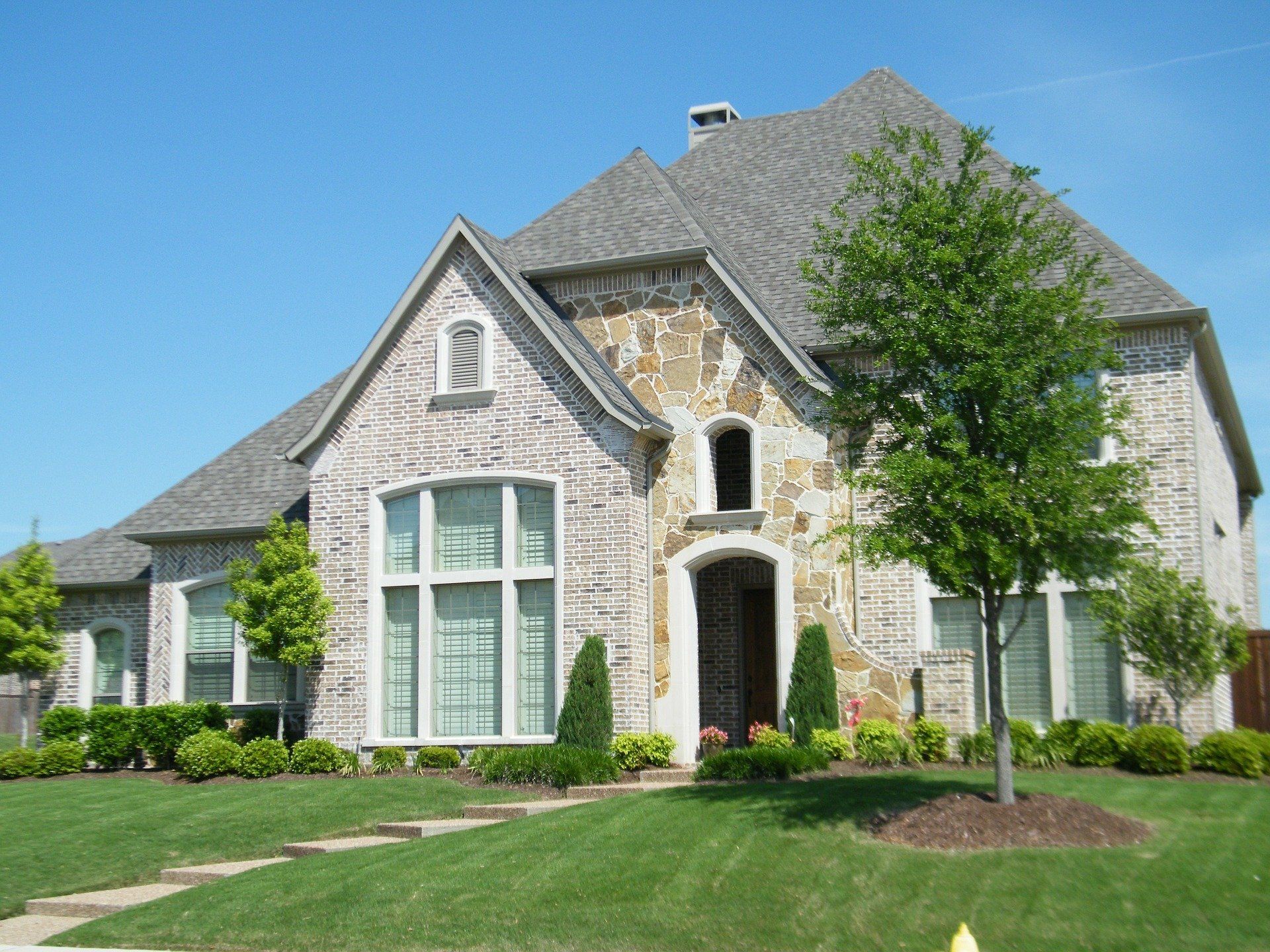
Your neighbor might have different grass from yours. Fescue grass stays green all year long, but requires more watering during summer months and typically has to be reseeded every year. Bermuda and Zoysia are warm season grasses that turn yellow in the winter months. They thrive in the heat and thus require less watering, and do not need to be reseeded. If you have warm season grass, it won’t turn green until the ground temperatures hit 65F+, so don’t compare it to your neighbor’s (more expensive to maintain) Fescue lawn.
The synthetic fertilizer your neighbor might be using is kind of like botox for your lawn. Yes it quickly turns green and gorgeous, but you’re injecting poison into the host - in this case mother earth. Excess nitrogen seeps into streams and eventually rivers, feeding a massive annual algae bloom that blots out sea life. It emits nitrous oxide, a greenhouse gas 300 times more potent than carbon. And it destroys organic matter in soil. There are natural ways to get a green, healthy grass by applying organic fertilizer such as compost tea or compost top dressing. Just not as quickly.
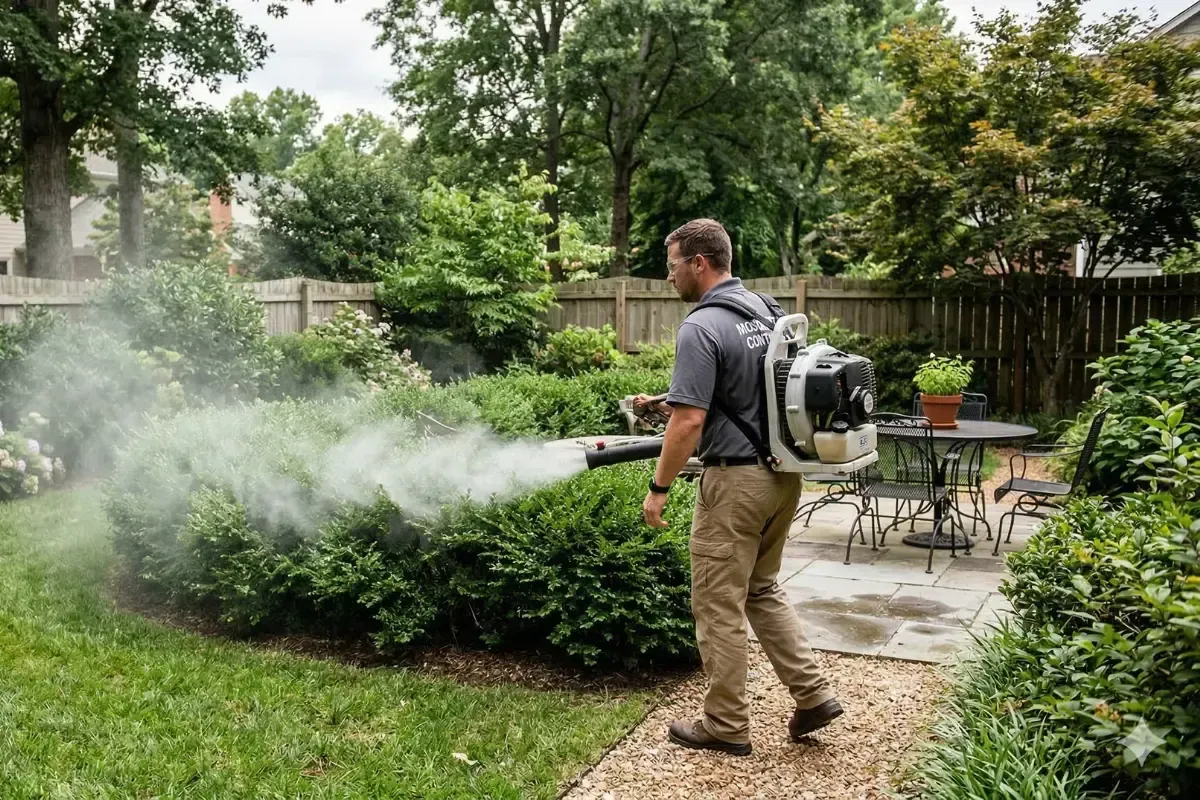
Toxic pesticides and herbicides can surely keep your neighbor’s yard weed-free and picture-perfect, but pose a danger to more than dandelions and white clovers. 2,4-dichlorophenoxyacetic acid (2,4-D) was developed by Dow Chemical in the 1940s (and made up half of the infamous Agent Orange used in chemical warfare in Vietnam) and is still one of the most commonly used lawn pesticides in the United States. Roundup, with it’s active ingredient glyphosate, is the world’s most popular weed killer but has caused it’s manufacturer Monsanto (now Bayer) to lose multi-million dollar lawsuits for it’s cancer-causing effects. You can use organic weed control and still maintain a weed-free yard and keep your family safe from scary chemicals. If we go back to the cosmetic enhancement analogy, you might have a wrinkle or two, but at least you can smile and raise your eyebrows.
Perhaps the most obvious reason could be that your neighbor has hired a professional, or has the skills himself, to mow, edge, blow and water the lawn on the regular. Cutting only ⅓ of the grass on a regular cadence ensures that too much thatch doesn’t suffocate your lawn, or too short a grass doesn’t burn in the summer heat. Striping or checkerboard pattern with your mower adds a nice touch, as does edging which leaves the sides of your lawn looking sharp and clean. And don’t forget to blow or rake away lose grass, sticks and leaves for a finished look.
Now you know how to have a beautiful yard just like your neighbors, except one that doesn’t hurt you, your family or our planet in the end.