Organic Lawn of the Month: Apex, NC
This month, we are proud to highlight a stunning property in Apex, NC. Our featured client has embraced a sustainable approach to lawn care using our organic treatments, and the results speak for themselves.

Achieving the Perfect Organic Lawn in Apex, NC
This Apex homeowner has worked closely with us to ensure their lawn is both beautiful and environmentally friendly. What makes this lawn stand out is the fact that it has been nurtured using entirely organic methods. In Apex, NC, where clay soil, dry and wet spells, and a plethora of pests can pose unique challenges for maintaining lawns, our comprehensive approach to organic lawn care helps battle even the toughest conditions.
Compost Top Dressing: The Secret Behind This Apex Lawn
What made this lawn so unbelievably green was the
compost top dressing the owner applied, which gave the grass an enviable level of health and color. Compost top dressing is a technique that involves applying a thin layer of organic compost over the lawn to enrich the soil and promote healthy grass growth. Not only does this help improve the soil structure, but it also provides essential nutrients, making the grass greener and more resistant to disease.
Compost top dressing also helps improve water retention and encourages the development of a strong root system. For lawns in Apex, NC, where hot summers and inconsistent rainfall can be tough on turf, this organic treatment plays a critical role in keeping the lawn vibrant and resilient year-round.
Organic Fungicide: Defending Against Lawn Disease
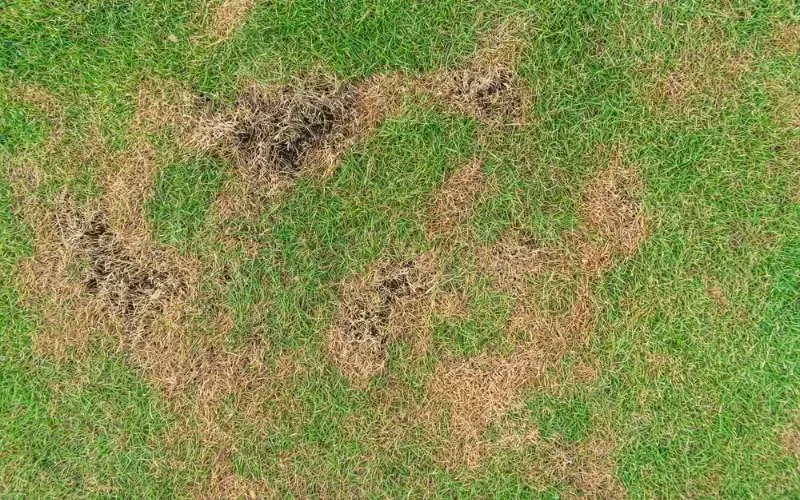
Maintaining a beautiful lawn in Apex, NC can be challenging, particularly due to our area’s fluctuating weather patterns. One of the biggest threats to a healthy lawn is the presence of fungal diseases. Fungal infections like brown patch, dollar spot, and powdery mildew are common in this region, and they thrive under specific environmental conditions, making prevention and treatment key to maintaining lawn health. Our featured client was no exception and had to battle fungus from ruining his spotless lawn.
What Causes Lawn Fungus?
Fungus often appears on lawns when the environment creates the ideal conditions for fungal spores to germinate and spread. Several factors contribute to fungal diseases in lawns, including:
- Excess Moisture: Overwatering, poor drainage, or periods of high humidity provide the perfect environment for fungi to develop. Lawns that stay wet for extended periods, particularly overnight, are more susceptible to disease. This is why lawns in Apex, NC, can be particularly vulnerable after periods of heavy rain or high humidity. For example, brown patch thrives during hot days followed by cool, damp nights, which are common in late spring and early summer in Apex.
- Nutrient Deficiencies: A lack of essential nutrients, especially nitrogen, can weaken the grass and make it more prone to disease. Underfertilized lawns lack the vigor needed to withstand fungal pressure.
- Compacted Soil: Lawns with compacted soil lack the airflow necessary for healthy growth. This creates conditions where moisture gets trapped, fostering an ideal breeding ground for fungi.
How to Combat Lawn Fungus
At Carolina Turf, we use a combination of natural treatments to prevent and combat fungal diseases in lawns. Our methods protect your lawn’s health while preserving the environment and beneficial soil organisms. Here’s how we tackle fungus using a holistic approach:
- Fungicide: A naturally occurring beneficial bacterium, bacillus amyloliquefaciens, plays a crucial role in combating harmful fungi. It works by colonizing the soil and turf, outcompeting harmful fungi for space and nutrients, and producing natural antibiotics that inhibit fungal growth without damaging the beneficial microorganisms in your lawn.
- Aeration: By aerating the lawn, we improve soil structure and drainage, ensuring oxygen can flow to the roots and preventing water from pooling on the surface. This reduces the moisture that fungi need to thrive and strengthens the lawn’s ability to resist disease.
- Compost Top Dressing: Applying a thin layer of compost adds organic matter to the soil, enhancing its fertility and microbial activity. Healthier soil improves the lawn’s resistance to fungal infections and promotes stronger, more resilient turf.
- Water Management: Adjusting watering schedules is key to preventing excess moisture, which fungi love. We recommend watering early in the morning to allow the lawn to dry during the day, reducing the risk of fungal growth. Monitoring rainfall and adjusting irrigation schedules also help prevent overwatering, especially during periods of high humidity.
Organic Weed Control & Fertilization: A Sustainable Approach
Maintaining an organic lawn requires more than just regular mowing and watering. In fact, controlling weeds and ensuring proper fertilization are two key components of keeping a lawn healthy and aesthetically pleasing. Our team at Carolina Turf used organic weed control and fertilization methods to eliminate unwanted weeds while nourishing the grass with all-natural nutrients.
Our organic weed control targets invasive weeds without harming the surrounding grass or soil, which is particularly important in maintaining the delicate balance of an organic lawn. By focusing on sustainable methods, we help prevent the overuse of synthetic chemicals that can degrade soil quality over time.
Additionally, our organic fertilization feeds the lawn with slow-release nutrients that strengthen the root system and encourage robust growth.
Organic Pest Control: Protecting Your Home Naturally
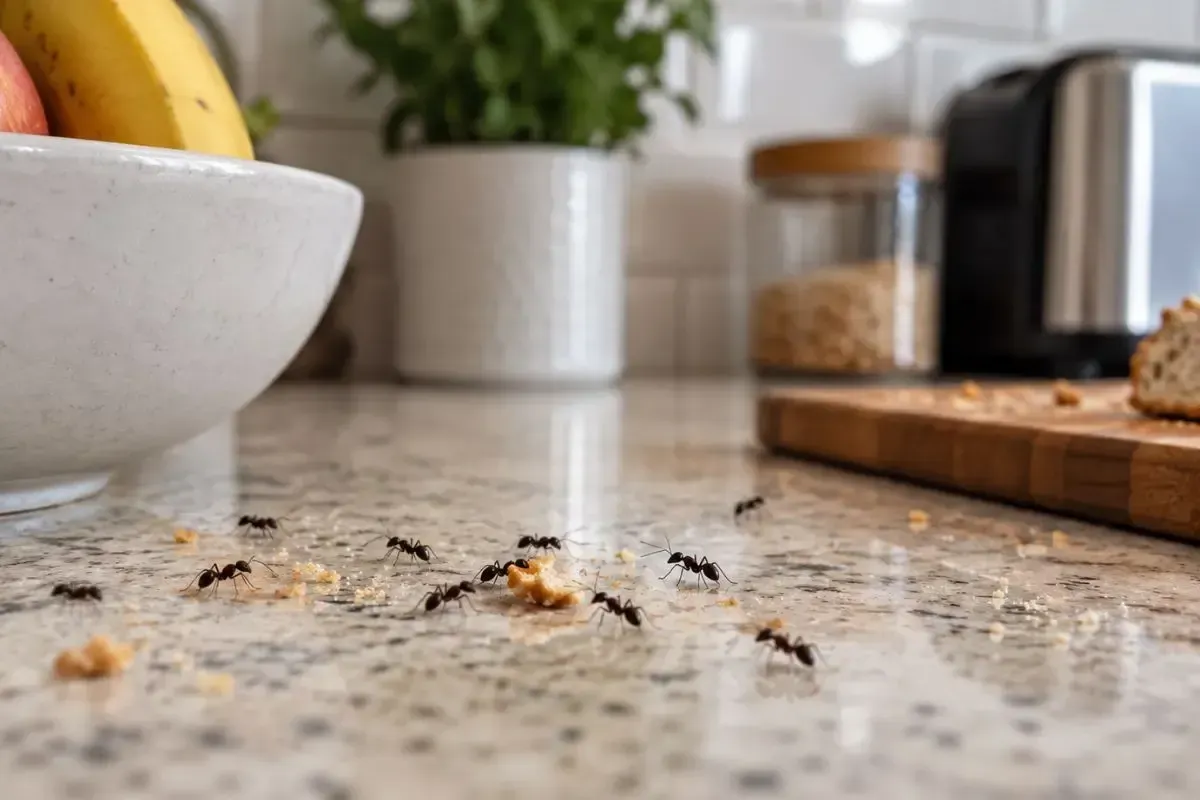
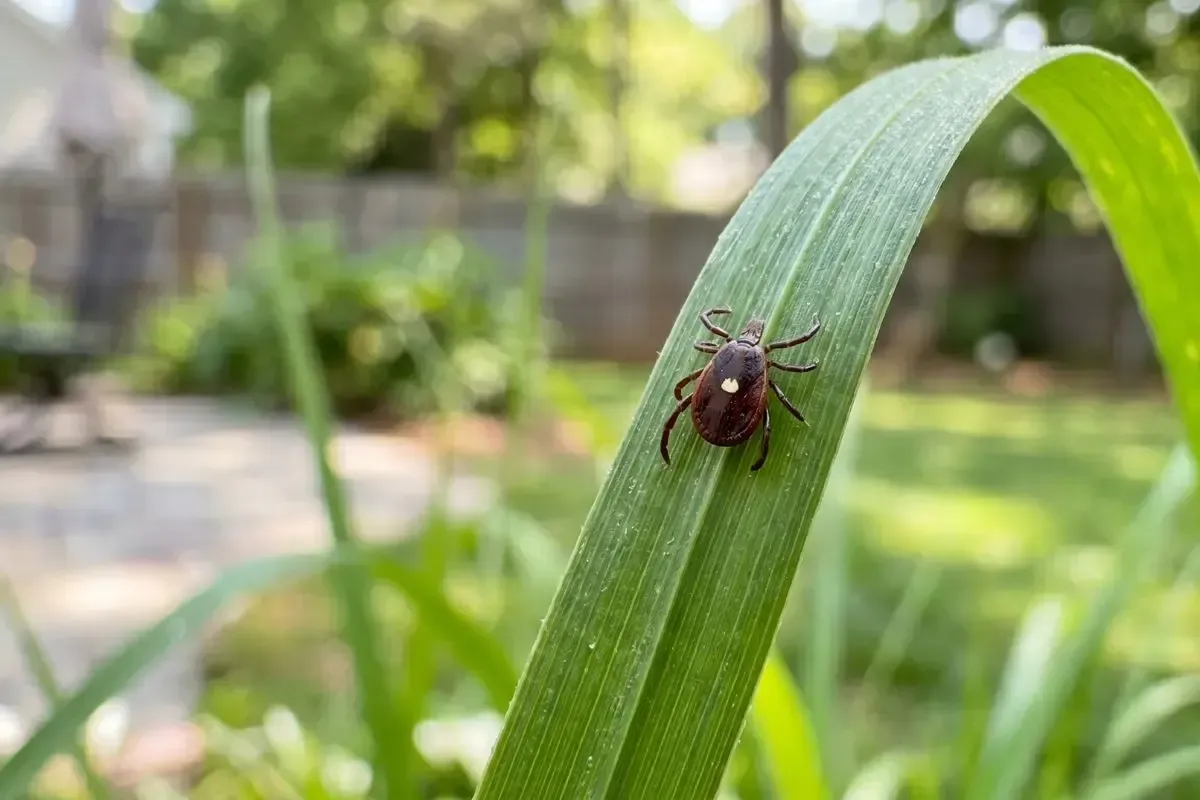
An essential part of maintaining a home you enjoy is making sure that pests don’t invade your house. At Carolina Turf, we use a proactive approach with botanical-oil-based pest control, designed to create a protective barrier around the perimeter of your home, preventing pests from entering.
Our organic pest control treatments are carefully applied around the exterior of the house, targeting common household pests before they have a chance to get inside. These botanical-oil-based solutions are safe for the environment and highly effective at keeping pests like ants, spiders, and other unwanted intruders at bay.
Organic Mosquito Control: Winning Back Your Yard
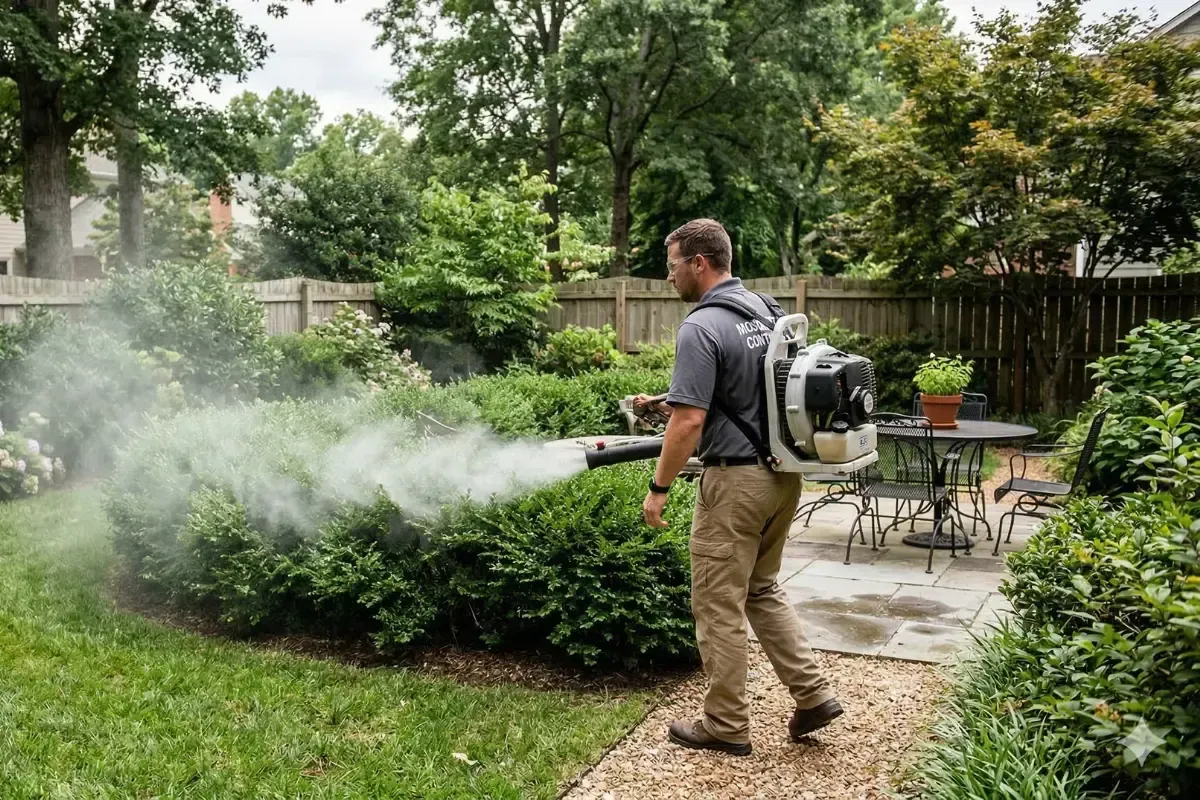
One of the additional services provided to this homeowner in Apex, NC is organic mosquito control. In areas like Apex, where mosquitos can eat you alive, getting rid of them helps you enjoy your yard to the fullest. Our garlic-based mosquito control treatments are designed to reduce mosquito populations without using harsh chemicals that can harm the environment or disrupt the lawn’s ecosystem.
Why Choose Organic Lawn Care in Apex, NC?
Choosing organic lawn care in Apex, NC is not only a wise environmental choice, but it also leads to long-term benefits for your property. Organic treatments improve soil health, enhance the resilience of your grass, and create a thriving, natural landscape. Synthetic chemicals can put your health and the environment in danger, but with organic methods, you’ll get peace of mind along with the peaceful oasis you’ll create on your property.
This featured lawn of the month is a perfect example of how organic practices can transform a yard into a green sanctuary. The homeowner’s commitment to sustainable practices, paired with our expertise, has resulted in a lawn that is not only visually stunning but also environmentally responsible.
Achieve Your Own Organic Lawn
If you’re inspired by this stunning organic lawn in Apex, NC, and would like to achieve similar results, Carolina Turf is here to help. Our team specializes in organic lawn care, offering a full range of services, all tailored to meet the unique needs of your lawn.
Check out
our services to learn more about how we can transform your yard into a beautiful, eco-friendly landscape.
Related Posts:
Organic Lawn of the Month: Fuqua-Varina, NC