How to Get Rid of Grass in Flower Beds
Are you sick of spending time planting, watering, and caring for your flower beds only to look down and see grass weaving through your mulch and crowding out your hard-earned blooms?
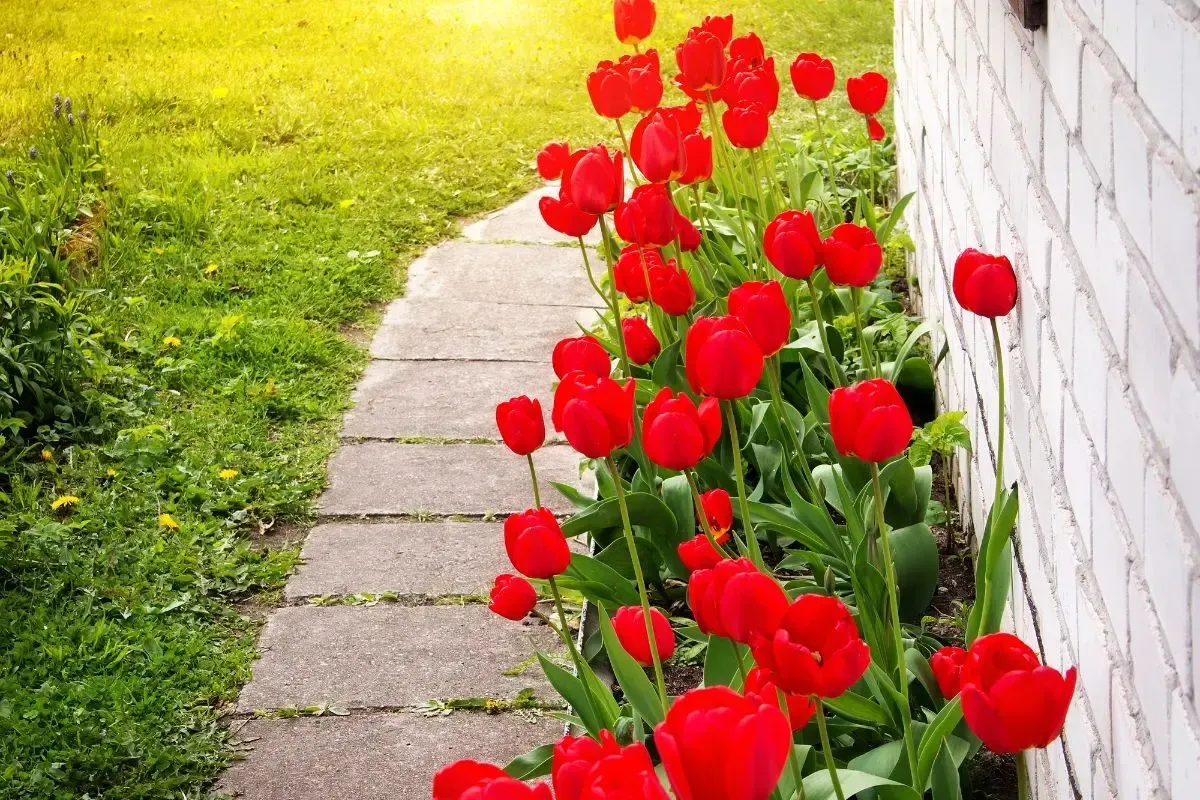
We don’t blame you. It’s a common frustration, especially in North Carolina, where warm-season grasses like Bermuda and Zoysia spread easily. Once grass takes root in your flower beds, it can feel like an uphill battle to reclaim the space.
But with the right approach, you can stop turf from invading your beds and keep it out. Here’s how to get rid of grass in flower beds, protect your plants, and create a clean, lasting edge between lawn and landscape.
Why Grass Keeps Coming Back
Grass creeping into flower beds usually happens in one of two ways: from above and from below. Runners can extend over the edge of your lawn, and roots can tunnel beneath the soil, especially if there’s no physical barrier to stop them. Certain types of turfgrass, like Bermuda, are especially persistent. They send out stolons and rhizomes that can travel several feet underground, making it difficult to keep them confined to your lawn.
If you're not too careful when seeding, those grass seeds might end up being tossed onto your beds as well. On top of that, mowing too close to the garden bed can scatter grass clippings or seeds into the soil. Add a bit of sunlight and water, and suddenly, your flower bed is a second lawn.
So how do you fight back?
Step One: Remove Grass Without Harming Your Plants
If you already have grass in your flower beds, your first goal is to remove it carefully without disturbing the plants you want to keep.
Start by pulling up grass by hand where possible, especially if it's newly established. Loosen the soil with a small garden fork or hand trowel, and try to get as much of the root system as you can. Leaving roots behind means the grass will likely grow back.
If the grass has had time to settle in, pulling it up by hand might not be enough. Use a sharp spade to gently work underneath the roots and lift the grass out, taking care around your established plants. In spots where the grass is tangled up with your flowers, a narrow weeding tool or even a kitchen knife can help you carefully loosen and remove it without damaging nearby roots.
Now, if you want a really easy way around this, Carolina Turf uses an organic grass killer to spot spray your flower beds. Avoid using chemical herbicides, especially non-selective ones like glyphosate. While they may kill the grass, they will also harm nearby garden plants and pollute your soil (not to mention your health.)
Use Organic Methods to Prevent Regrowth
Once the grass is gone, your next task is to stop it from coming back. That means creating conditions that suppress new growth while keeping your garden safe and healthy.
One of the best ways to do that is by applying a thick layer of organic mulch or pine straw. Not only does this help retain moisture and regulate soil temperature, but it also smothers grass seeds and blocks sunlight from reaching any leftover roots.
For even more protection, consider laying down a layer of newspaper or biodegradable weed barrier fabric beneath your mulch. These materials decompose slowly over time, giving your plants room to grow while keeping new grass from taking hold.
And if you need a spot treatment for stray weeds that pop up along the edges, look for organic herbicides. These products won’t contaminate your soil, and they won’t put your flowers or pollinators at risk. Look for
Bed Maintenance in our services if you’d like to sign up here in the Raleigh-Durham area.
Install a Physical Border to Stop Future Spread
The most effective long-term solution is to physically separate your lawn from your flower beds. A defined edge keeps turfgrass from sending out runners, and it also gives your landscaping a polished, finished look.
There are several options when it comes to edging. For a simple solution, you can dig a natural edge—a shallow trench along the perimeter of your bed that creates a visual and physical break. While this requires occasional re-cutting to stay sharp, it’s affordable and blends well into any landscape.
If you want a longer-lasting barrier, metal edging is one of the most effective options. Steel or aluminum strips create a sleek line and are deep enough to stop grass roots from sneaking through. For a more decorative touch, stone, brick, or even wood borders can be used to create structure while matching the style of your home and garden.
Whichever material you choose, make sure it’s installed deep enough, typically 4 to 6 inches below the surface, to block underground runners. This simple step can save you hours of weeding down the line.
Rethink Your Border as a Pollinator-Friendly Zone
As you reclaim the edge between your lawn and garden, consider turning it into something beautiful and beneficial: a pollinator-friendly buffer zone.
Native plants like bee balm, black-eyed Susan, and purple coneflower not only brighten the edge of your flower bed, but they also support local ecosystems. These species are especially valuable to pollinators like bees, butterflies, and hummingbirds, and many are tough enough to crowd out weeds and grass on their own.
Planting a dense border of perennials along your edge helps keep turfgrass at bay while turning a former trouble spot into a vibrant part of your landscape. It’s a win for your yard and a win for the environment.
Keep Up With Maintenance
Even with all the right systems in place, grass can still try to sneak back in, especially during peak growing season. The key to success is staying ahead of it.
Check your garden borders regularly for signs of grass regrowth. Keep mulch or pine straw topped off, and trim lawn edges neatly when you mow. If you’ve installed edging, inspect it occasionally to make sure it hasn’t shifted or lifted out of place.
And remember: prevention is easier than removal. A few minutes of maintenance every week can save you hours of digging and weeding later.
Get Rid of Grass in Flower Beds Without Harsh Chemicals
Getting rid of grass in your flower beds doesn’t have to mean declaring war on your yard. With a mix of organic control methods, smart edging, and a little extra attention, you can create flower beds that stay clean, healthy, and full of life.
At Carolina Turf, we help homeowners find solutions that support both beauty and sustainability. Whether you need help managing turfgrass, choosing the right mulch, or designing a flower bed border that keeps grass out for good, we’re here to help your landscape thrive.