Lawn Pesticides and Infertility
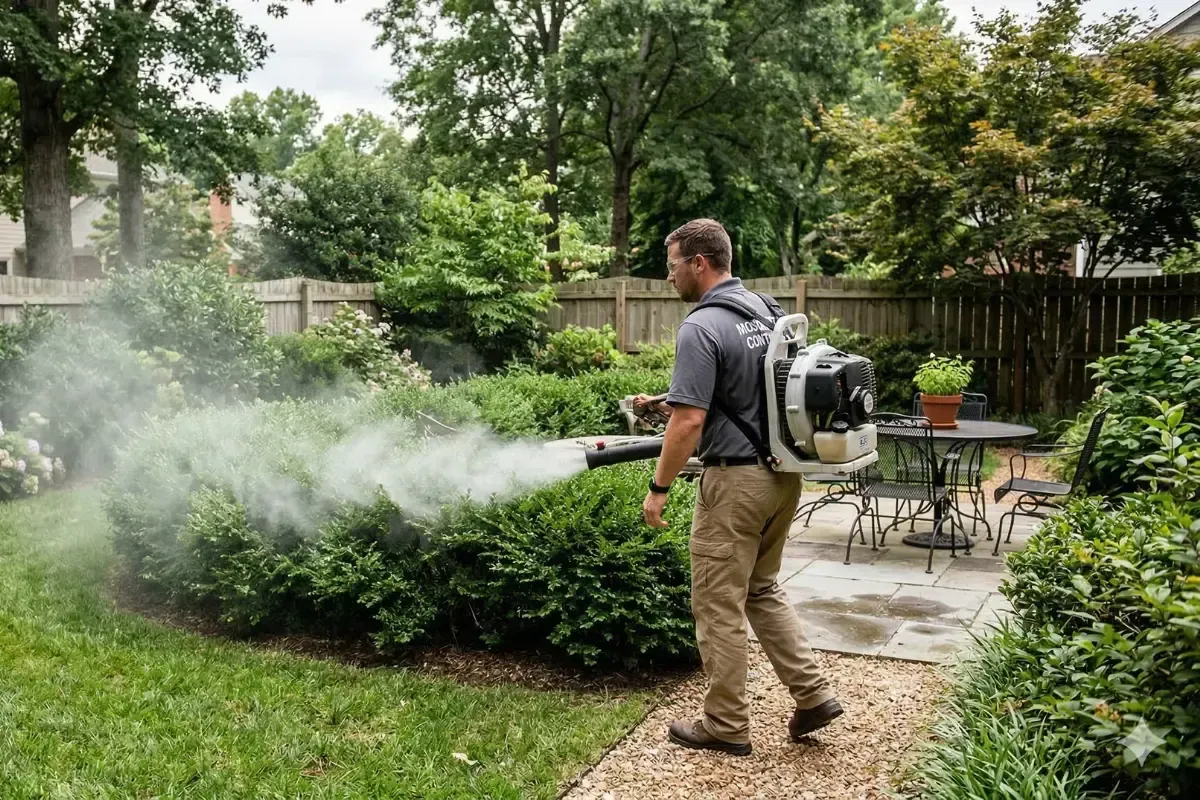
You want a beautiful outdoor space where your kids can play catch and soccer, and your friends can gather for summer barbecues. Most people assume (and are told) the products used to maintain a weed-free lawn are safe. Those warning flags they place on the lawn after treatment warn you to stay off until dry. Unfortunately, dried poison on your lawn is about the equivalent of a “smoking section” in a restaurant.

A growing body of scientific evidence suggests that traditional lawn care chemicals are doing more than just killing weeds. They are entering our bodies and acting as "obesogens" and endocrine disruptors, creating significant hurdles for couples trying to conceive. Understanding how common pesticides impact sex hormones and reproductive health is the first step in protecting your family’s future.
What Are Obesogens and What Do They Have to Do With Lawn Pesticides?
The term "obesogen" might sound like it only refers to weight gain, but the implications go much deeper. Obesogens are a subset of endocrine-disrupting chemicals (EDCs) that interfere with how the body manages fat cells and metabolic processes. Many common herbicides and insecticides found in standard lawn and pest control treatments fall into this category.
When these chemicals enter your system, they mimic natural hormones or block hormone receptors entirely. This interference disrupts the delicate balance of the endocrine system. According to research published in Environmental Health Perspectives, exposure to certain pesticides can alter the programming of stem cells, pushing them to become fat cells instead of bone or muscle. For someone trying to optimize their health for pregnancy, such metabolic disruption creates an inflammatory environment that is far from ideal for conception.
The Direct Impact on Male and Female Infertility
Infertility is a complex journey, and while many factors play a role, environmental toxins are increasingly recognized as a primary culprit. Both men and women are susceptible to the reproductive toxicity of lawn chemicals.
Declining Sperm Quality in Men
Men are particularly vulnerable to the effects of lawn toxins. A landmark study published in Human Reproduction found that men who consumed fruits and vegetables with high pesticide residues had significantly lower sperm counts and fewer normally formed sperm. While that study focused on diet, the chemicals involved—such as organophosphates—are the exact same ones used in many residential lawn applications.
These toxins trigger oxidative stress in the testes, damaging the DNA carried within sperm cells. When the blueprint for a new life is compromised before conception even occurs, the risk of miscarriage or developmental issues increases.
By the way, guys, instead of abandoning healthy fruits and vegetables, wash them well, choose organic food when possible, and kick lawn and pest-control pesticides to the curb. Actually, we want you to get them as far away from your curb as possible and safely discard them at a waste facility.
If you use a traditional weed control or exterminator service, ask them for the exact ingredients they’re using in their products. If they’re not willing to share, red flag! Look up the toxicity and impact on humans reports of each chemical. Be very careful with which sources you trust. For example, U.S. Environmental Protection Agency approval sometimes means jack s**t since they are completely bought out by the chemical industry. EPA administrators have been documented to move on to lucrative positions at chemical companies after pushing their agenda through during their tenure. Read more about it in The EPA is Evidently Corrupt.
Ovulation and Hormonal Imbalance in Women
For women, the concerns center around the disruption of the menstrual cycle and egg quality. Pesticides like atrazine, super frequently used in weed control, are known to interfere with the production of estrogen and progesterone. A study in the journal Epidemiology linked proximity to agricultural pesticide use with increased rates of infertility and menstrual cycle disturbances.
When your body detects these foreign "mimic" hormones, it may stop producing the necessary levels of natural hormones required for ovulation. This can lead to irregular cycles, making it incredibly difficult to track fertility windows or achieve a successful implantation.
While lawn pesticides and pest control products are the most toxic products around your home, we also recommend purging many household products, such as laundry detergent, cleaners, artificial room fragrances, and cosmetic products. Cutting these out reduces the daily chemical burden on your endocrine system, allowing your body to focus on its natural reproductive functions. Watch our for the following:
- 1,4-Dioxane (The Invisible Detergent Byproduct): This chemical is never listed on a label because it is an accidental byproduct of a process called ethoxylation, which manufacturers use to make harsh sudsing agents "gentler." It is a known neurotoxin and is flagged for reproductive toxicity. Because it is a "ghost" ingredient, you have to look for its fingerprints. Avoid ingredients ending in -eth (like Sodium Laureth Sulfate) or PEG compounds. These chemicals often stay on your clothes and bedding, leading to skin absorption and inhalation all night long.
- Phthalates (The Hormone Hijackers): These chemicals are notorious for disrupting the endocrine system and are linked to significant reproductive hurdles for women. Research connects phthalate exposure to altered thyroid function and compromised egg quality. Because they interfere with the delicate hormonal signaling required for a healthy pregnancy, they create an invisible barrier to conception. Choosing products explicitly labeled "phthalate-free" or "fragrance-free" is the only way to keep them out of your home.
- Parabens (The Estrogen Mimics): These are common preservatives in cream-based makeup, shampoos, and lotions, used to prevent mold growth. The trouble is that their molecular structure is strikingly similar to estrogen. When you apply them to your skin, they can bind to estrogen receptors, tricking your body into thinking it has a hormone surplus. This "estrogen dominance" can lead to irregular menstrual cycles and has been linked to a decrease in ovarian reserve, making the window for conception smaller.
The Chemical Culprits in Your Backyard
You might recognize names like Roundup (glyphosate) or 2,4-D on the labels of products sold at big-box hardware stores. These are some of the most widely used chemicals in the world, yet their safety profile regarding human reproduction is concerning.
- Glyphosate: Often cited as the most common herbicide, glyphosate has been linked to DNA damage and hormonal disruption. Research indicates it can interfere with the aromatase enzyme, which is responsible for converting androgens into estrogens.
- 2,4-D: This common weed killer is a suspected endocrine disruptor. Studies have shown that farmers exposed to 2,4-D have higher rates of abnormal sperm.
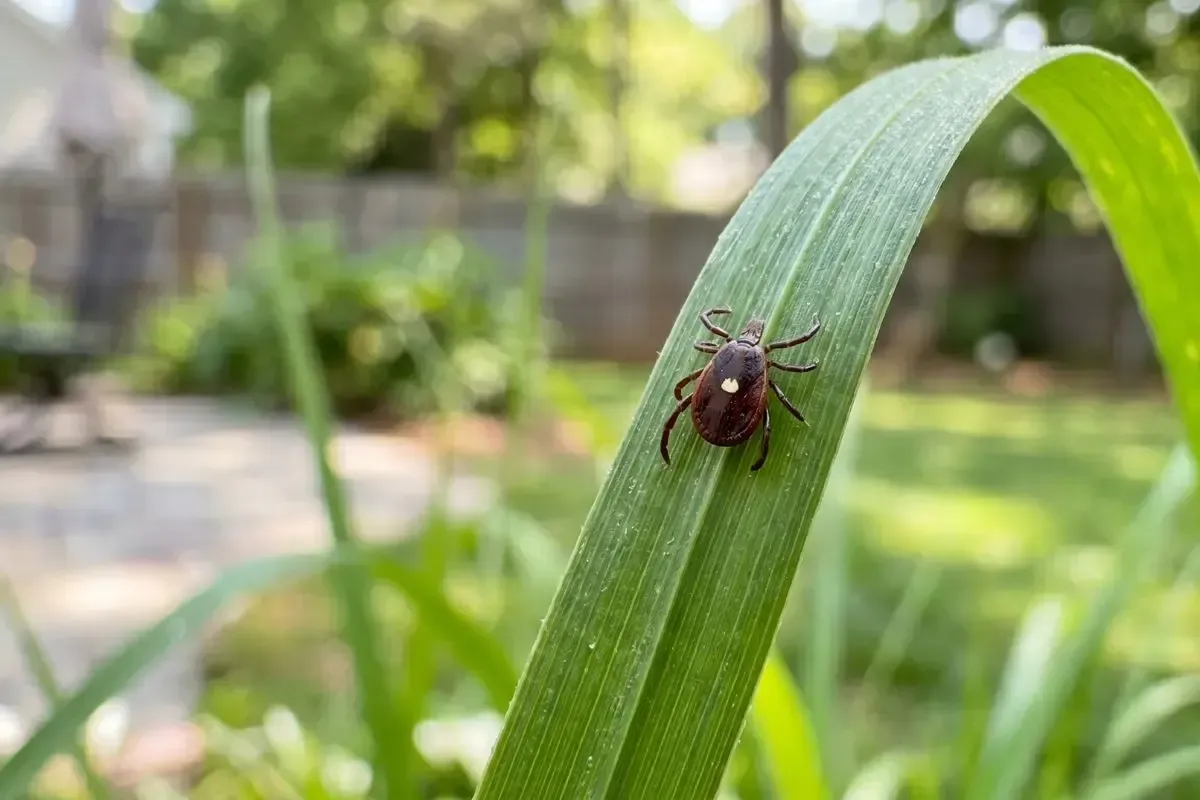
- Bifenthrin: Frequently used for mosquito and tick control, this synthetic pyrethroid has been shown in laboratory settings to lower testosterone levels and reduce the weight of reproductive organs.
- "Natural" Pyrethroids and Pyrethrins: Many pest control companies claim their insecticides are safe because they are derived from chrysanthemums. It's like saying "because heroin originates from poppy flowers it's harmless". These "natural" sprays often include a synergist called Piperonyl Butoxide, which prevents your liver from breaking down toxins. These substances are also anti-androgenic, meaning they can block the body's hormone receptors and throw the entire reproductive cycle out of balance.
Choosing these traditional methods means these substances inevitably track into your home on shoes, pet paws, and clothing. Once inside, they settle into carpets and dust, leading to chronic, low-level exposure that persists long after the initial application.
Breaking the Cycle of Chemical Dependency
The lawn care industry has long pushed the idea that a "perfect" lawn requires a heavy chemical arsenal. This approach creates a cycle of dependency where the soil biology is killed off, making the grass more susceptible to pests and weeds, which then requires even more chemicals.
Breaking this cycle is essential for creating a healthy home environment. Organic lawn care focuses on building the health of the soil rather than just treating symptoms. By using natural fertilizers and biological controls, we encourage a robust ecosystem where grass thrives naturally. This method eliminates the need for the toxic "cides"—pesticides, herbicides, and fungicides—that threaten your hormonal health.
Why Organic Care is a Fertility-Friendly Choice
Transitioning to an organic program with Carolina Turf means you are removing a significant environmental stressor from your life. Pregnancy is a time of incredible physiological change, and the months leading up to conception are just as vital. Reducing your toxic load allows your endocrine system to function as intended.
Our methods rely on coconut-based soap, citric acid, soybean oil, corn gluten, garlic, neem oil, and other botanical oil-based treatments. These ingredients don't come with a warning label telling you to keep children and pets off the grass for 24 to 48 hours. You can walk barefoot across your lawn with the peace of mind that your skin isn't absorbing endocrine disruptors.
Practical Steps to Protect Your Reproductive Health
Beyond switching your lawn care provider, you can take several steps to minimize your exposure to outdoor environmental toxins:
- Remove Shoes at the Door: This simple habit prevents outdoor pollutants and pesticides from being tracked onto your floors, where they concentrate in household dust.
- Filter Your Water: Many lawn chemicals leach into groundwater. Using a high-quality water filter can reduce the amount of atrazine and other herbicides you ingest.
- Ask Questions: If your neighbors use chemical services, keep your windows closed during their applications and for a few hours afterward to avoid pesticide drift. Better yet, recommend organic services for them through our Referral Program.
A Greener Future for Your Family
The journey toward parenthood is often filled with variables we cannot control. However, the health of your immediate environment is something you can influence. By choosing non-toxic lawn care, you are making a proactive decision to support your body’s natural rhythms.
We believe beautiful lawns should support life, not hinder it. Your outdoor space can be both stunning and safe. Moving away from synthetic chemicals protects your hormones, your fertility, and the health of the children you hope to welcome into your home.
If you are ready to make the switch to a safer, organic alternative, Carolina Turf is here to help. We provide the professional results you want without the risks you don't. Let’s grow a healthier future together. Sign up for services.