Winter Lawn Care Tips for Raleigh, NC
We break down essential organic tips for managing pH levels and stopping Annual Bluegrass before it takes over.
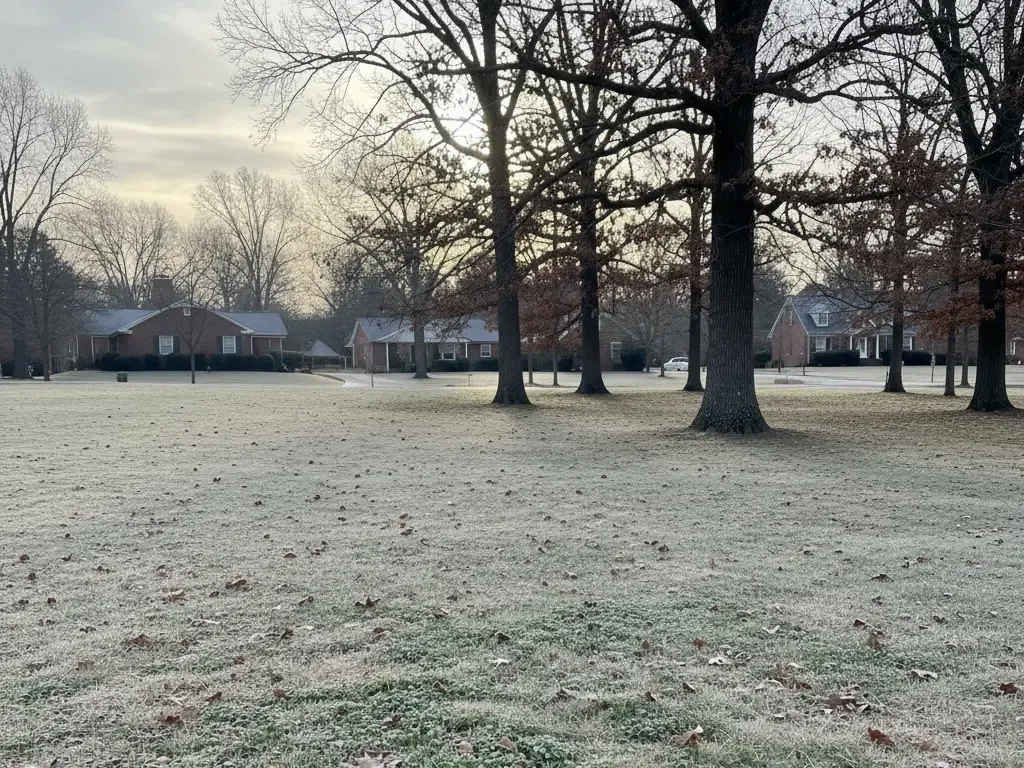
Most homeowners in the Triangle treat the colder months like a vacation from their yard. When the humidity finally breaks, and the Bermuda grass fades to tan, it feels like the work is finished. In reality, the months between December and February are when the most important work happens underground. While the surface looks dormant, your soil is either preparing for a vibrant spring or setting the stage for a weed-infested summer.
Success with an organic lawn in North Carolina requires understanding our unique transition zone. We deal with heavy red clay, unpredictable temperature swings, and a list of winter weeds that establish themselves while your grass sleeps. If you want a yard that outshines the neighborhood in the summer, you have to start the groundwork while the air is still crisp.
Understanding the Dormancy Cycle in the Triangle
Raleigh lawns generally fall into two categories: warm-season grasses like Bermuda or Zoysia, and cool-season grasses like Tall Fescue. Each one handles winter differently, but both require specific attention during the "off-season." Warm-season grasses go into a true dormant state. They stop growing upward to protect their energy reserves. During this time, the roots remain alive but inactive. Because the grass isn't actively competing for space, opportunistic weeds can move in very easily.
Fescue, on the other hand, stays green through the winter but slows its growth significantly. It still needs sunlight and nutrients to maintain its health, even if you aren't out there mowing every Saturday. The biggest mistake you can make is assuming that slow growth means a hands-off approach.
The Invisible War Against Winter Weeds
Weed pressure in Raleigh is driven by soil temperature rather than the calendar. Many people wait until they see green clumps in their brown, dormant grass to take action, but by then the weed has already established a dominant root system. Winter weed prevention is the process of stopping seeds from developing into mature plants during the cold months. Annual Bluegrass, or Poa annua, is the biggest offender in our area. It germinates as soon as the soil cools down in late autumn and spends the winter building strength. When spring arrives, it produces thousands of seeds that stay in your dirt for years.
We use specialized
corn gluten meal applications as a natural pre-emergent to combat these invaders. Unlike harsh chemical alternatives, corn gluten works by drying out the tiny root of a germinating seed so it cannot take hold in your soil. Our late winter schedule focuses on getting this protection down early to create a preemptive barrier against crabgrass and other weeds before they wake up in the warming spring soil.
Because corn gluten is a natural byproduct, it also provides a steady nitrogen source of about 10 percent. This feeds your soil biology without forcing the weak, watery growth that synthetic fertilizers cause in the cold. Relying on organic methods means you are building a defense system rather than just spraying a poison. A thick, healthy turf is the best weed control you can buy.
Mastering the Raleigh Soil
Our local red clay is notorious for a reason. It is dense, holds onto water, and is almost always naturally acidic. When soil is too acidic, it creates a chemical lock on nutrients. You could put down the most expensive organic fertilizer on the market, but if your pH is off, the grass cannot absorb it. Soil pH is the measurement of how acidic or alkaline your soil is, which directly impacts nutrient availability for your grass.
In the Raleigh area, we typically see pH levels that are far too low for healthy turf. Correcting this is a slow process that requires patience and the right materials. Our late fall and winter applications specifically include
lime because it takes a long time to break down and move into the root zone. Applying it now ensures the soil chemistry will be balanced exactly when the grass wakes up and gets hungry in the spring.
Organic lawn care focuses on the living organisms in the dirt. When the pH is balanced, beneficial fungi and bacteria thrive. These microbes are the ones responsible for breaking down organic matter and feeding your grass roots. High-intensity synthetic pH adjusters can harm the very soil life we are trying to protect, so we use high-quality granular lime to safely nudge the soil toward the neutral range that Fescue and Bermuda love.
Managing the Leaves
Raleigh is famous for our oaks, but leaving a thick layer of oak or maple leaves on your yard is one of the fastest ways to kill a Fescue lawn or invite disease into a dormant Bermuda lawn. Because our winters are often wet and mild, moisture gets trapped under those leaves. This creates a dark, soggy environment where mold and fungus flourish. Grass needs to breathe, which is why we recommend aeration for your lawn during the summer or fall. Even dormant grass requires oxygen exchange at the soil surface.
If you only have a light dusting of leaves, use a mulching mower to chop them into tiny bits. These pieces fall between the grass blades and decompose, adding valuable carbon back into your soil. However, if you have a carpet of leaves where you can no longer see the ground, they have to go. Leaving them there for more than a couple of weeks causes the grass underneath to yellow and thin out.
Why an Organic Approach Wins
Synthetic lawn programs focus on the surface. They use high-salt fertilizers that force growth but eventually kill the beneficial life in the soil. Over time, this makes your lawn dependent on more chemicals just to stay alive. Carolina Turf takes the opposite approach by following a 12-month cycle that respects the natural rhythm of North Carolina weather. By focusing on soil health, aeration, and natural pre-emergents, we help you grow a lawn that is naturally resilient.
Organic lawns naturally develop deeper root systems because they seek out nutrients in a rich, biological environment. Soil with high organic matter holds moisture better than depleted, chemically treated dirt. You can actually see the health of an organic lawn through the life it attracts. A living soil brings in birds and beneficial insects that keep the ecosystem in balance. If you don't see robins hunting for worms in your yard, there is a good chance the soil biology is depleted from chemical over-treatment. You never have to worry about your kids or pets playing on the lawn after one of our treatments. We use non-toxic, pet-safe products because we live and work in this community too.
Groundwork for a Stress-Free Spring
The choices you make in January determine how much work you will have to do in May. A lawn that has been balanced with lime, protected with natural pre-emergents, and kept clear of debris will hit the ground running as soon as the soil warms up. Winter care requires intentionality. It is the practice of looking ahead and giving your yard the tools it needs to succeed on its own. While the rest of Raleigh is scrambling to fix a weed-filled yard in the spring, you can sit back and enjoy the first green flush of a healthy, organic lawn.
Helping your lawn navigate the cold does not have to be complicated, but it does have to be consistent. Focus on the soil, manage the leaves, and trust the organic process. Your grass will thank you for it when the North Carolina sun returns in full force. Sign up for
organic lawn service today!