Our Story: The Roots of Carolina Turf

Carolina Turf • January 20, 2026

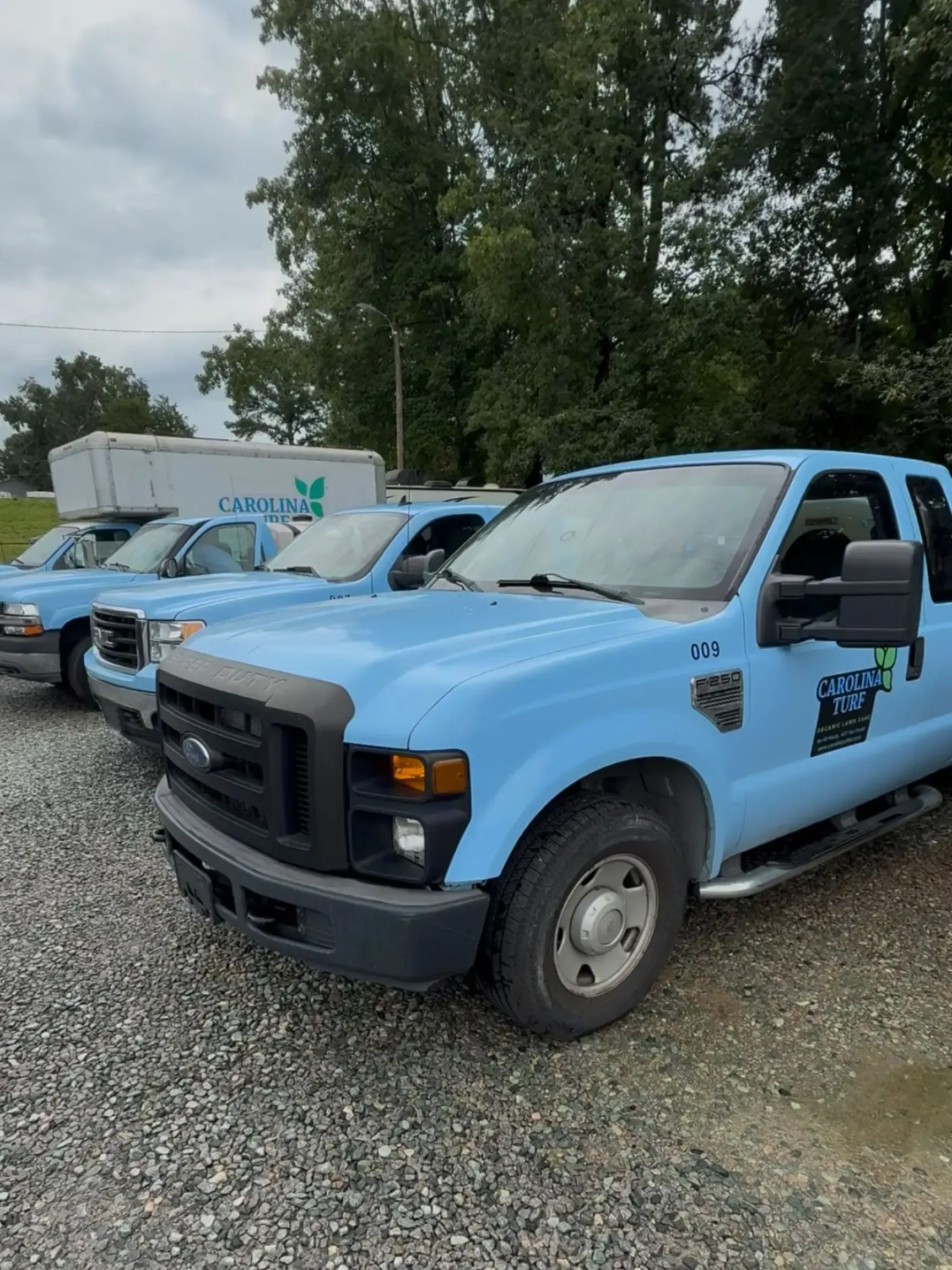
Way back in 2010, Houston Hinson (our owner) decided to make some extra cash on the side to pay off his student loans from his finance degree at East Carolina University. He figured he had always preferred mowing the lawn over doing the dishes as part of his chores growing up, so off he went to find people who needed their lawn cut. 

A Sputtering Start


Houston knocked on doors, talked to people in the grocery store line, and reached out to friends to try to drum up business. He didn’t have a lawn mower or even a truck to transport said mower. Not one to be easily stopped by a trivial obstacle, he borrowed a push mower and a truck from his dad and drove it to the first of his six new customers’ houses. 


Once there, the mower wouldn’t start, no matter what he tried. It was hot; he was sweating and wanted to cry, quit, or both. Finally, not getting anywhere with the janky old mower, he drove to the nearest Lowe’s at Crossroads in Cary, NC, to buy a new mower. He had $500 in his account to get him through the rest of the month, but the cheapest mower he could find was $400. With no other options, he bought the mower, drove back to the customer’s house(with barely enough gas to get there), and had to put it together from the box in the cul-de-sac. Since he didn’t have extra gas for the mower, he also had to siphon the gas from the old mower into the new one. 


On the very first pass on the lawn with the new, functioning mower, a giant black snake appeared right in front of him (God has a sense of humor, let me tell you). Today, Houston doesn’t bat an eye after having seen thousands of snakes, but back then, this office boy was at his wits' end. Nevertheless, he persisted and finished the one-acre property after four hours from having first arrived, using a push mower, a blower that wouldn’t stay on, and a shoddy weed whacker. 


In the beginning, whatever the customers asked him to do, he said yes and then figured out how to do it. Some of these jobs turned into huge losses, like when he quoted a tree removal job he thought would take 3-4 hours that ended up taking 3 days. Yet, he persisted and steadily grew his customer base.


A Child and an Idea Are Born

Fast forward to 2014, and Houston had grown his business to about 100 customers and expanded services to include weed spraying. He also hired his first employee and created marketing campaigns by stuffing a business card with the words “Got Weeds?” and sand into a sandwich bag, tossing the bags into people's driveways. He received plenty of business, as well as angry calls about littering.


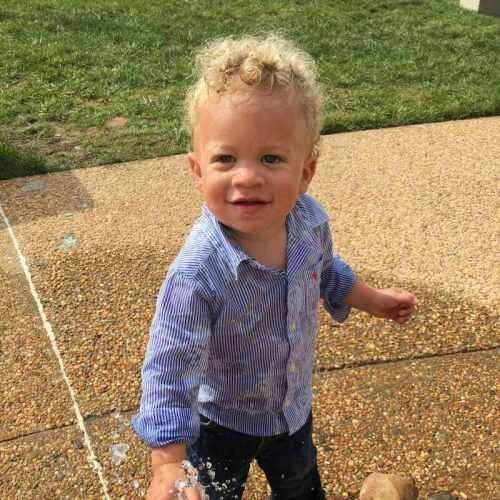
When his son Houston III was born (yes, there are three Houstons, and they all live next door to each other), he realized how toxic some of the chemicals he was spraying were and decided not to use them in his own yard around his son. He wasn’t alone in worrying about exposing children to these chemicals. Some of his customers also expressed concern and asked whether he could manage the weeds without using toxic chemicals. 

Again, resourceful as he is, Houston set out to test different nontoxic products and application methods on select customers’ lawns. After burning out a few lawns with too-strong products (we’re forever thankful to forgiving customers like Will and Kristin), he started to figure out what worked and what didn’t. 


Teamwork Makes the Dream Work


In 2018, Houston swiped right on a blonde girl named Hanna on a dating app. Our very first text exchange, in fact, happened while Houston was sitting in a classroom retaking his pesticide license. In that class, the teacher told them they should wash their work clothes in a separate washing machine from the one the family uses, since the weed control products’ toxins are so pervasive that they’ll contaminate the next load of laundry. Yet the chemical manufacturers claim that the grass is safe to walk on after spraying, once it's dry.

Hanna was a marketing professional at a Fortune 500 company and was also very much into organic living. With her Nordic upbringing, she was used to a clean environment and was horrified by the safety standards in America. Avid follower of the original crunchy moms like Wellness Mama, Food Babe, and others who advocated for organic foods and household products, she was well aware of the dangers of glyphosate and other toxic pesticides. 
The trajectory of Carolina Turf changed during one of our early dates at the Yard House in Raleigh. We started chatting about Houston’s business and his small organic lawn care customer base. Hanna convinced Houston to pivot to offering only organic services, as market demand was surely there and growing. Plus, continuing to expose some customers to toxins while having the ability to use nontoxic products seemed like talking from both sides of your mouth. 


Hanna also suggested she could rebuild his website to see if he liked the new design. Like it he did, and so did the customers. We enabled online sign-up and posted our prices right on the website to make becoming a customer seamless.


Given the differentiator between Carolina Turf and traditional lawn care companies (not exposing people to cancer-causing, endocrine-disrupting, neurotoxic chemicals), Hanna joked our tagline should be “We kill weeds, not your family.” Not in a million years would something like that fly in corporate America. But Houston, who is not afraid to take risks, thought it was brilliant and true. We use the tagline to this day.

A Family Business

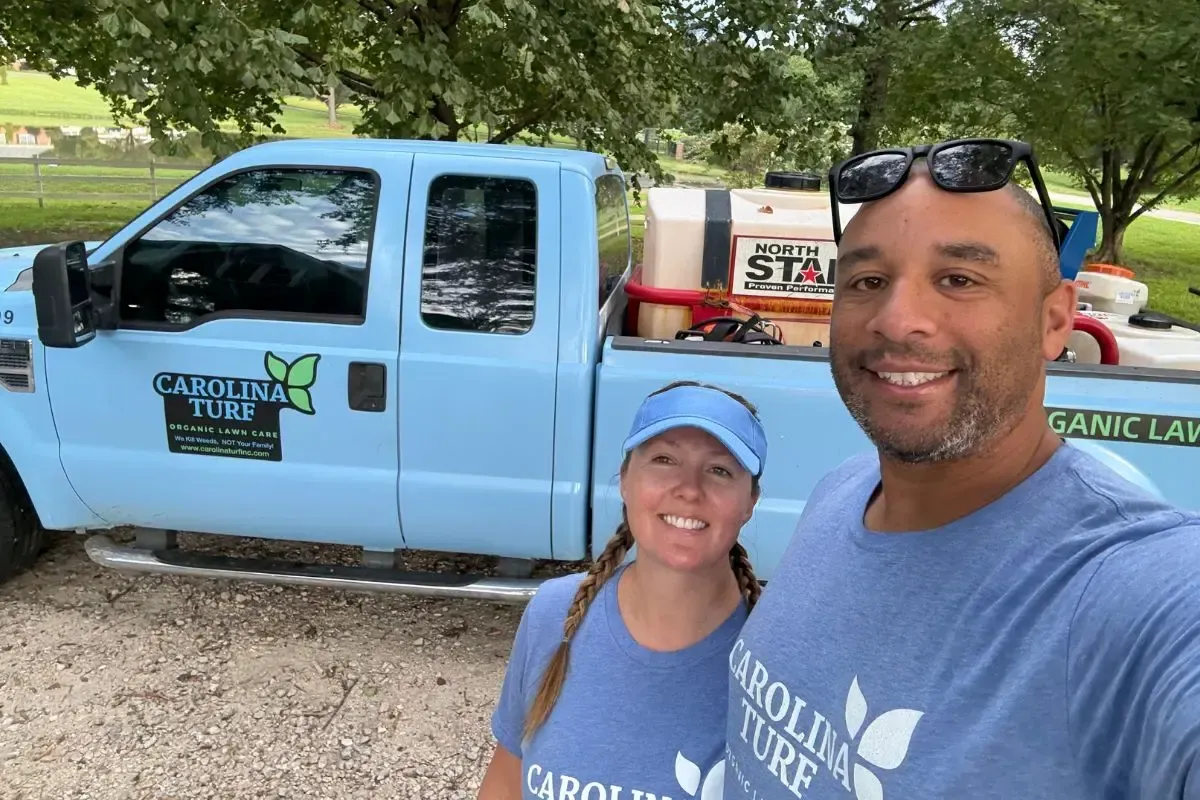
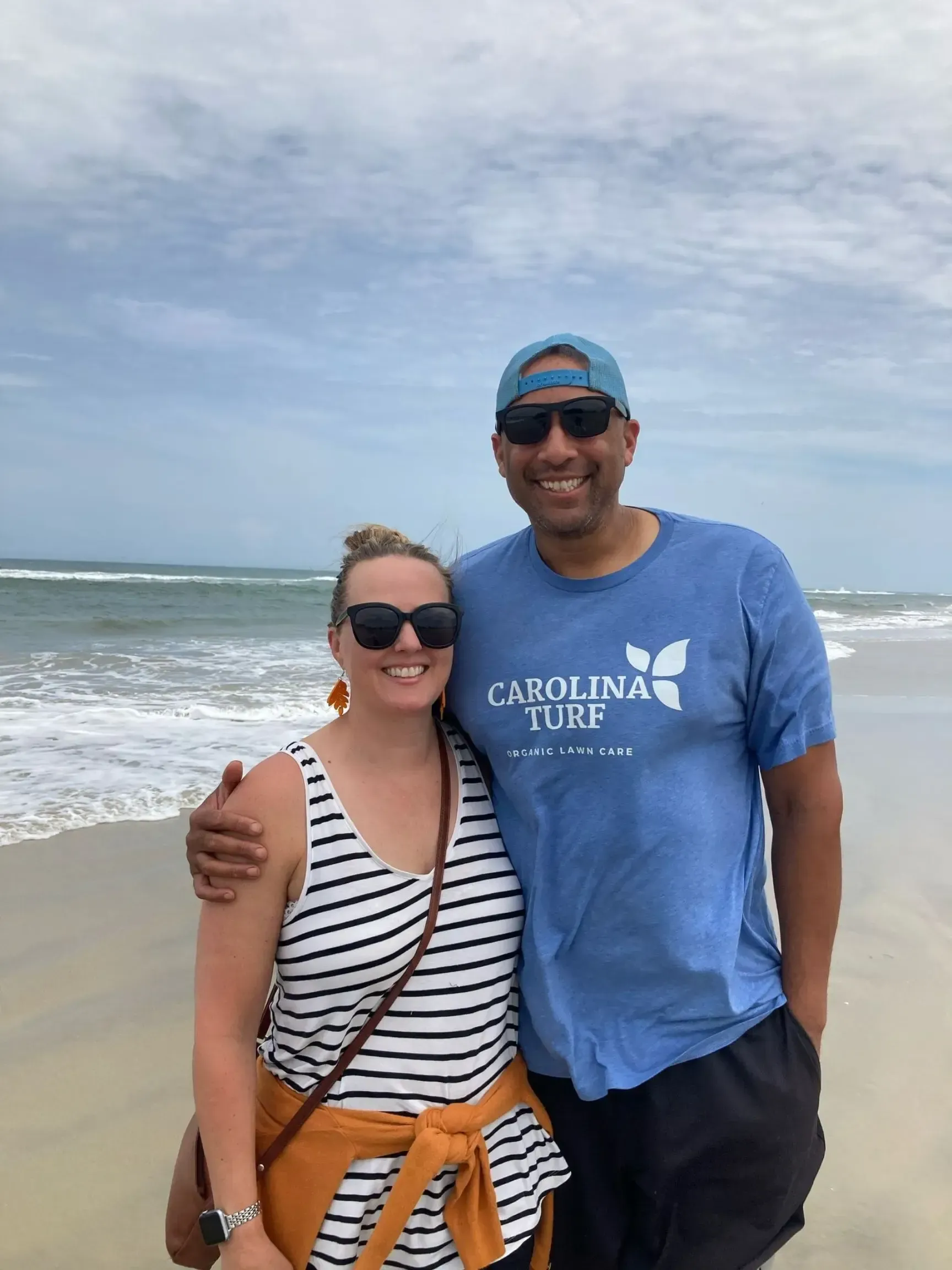
Since then, we have tripled the size of the business, gotten married, and Hanna has officially joined Carolina Turf. If you’ve talked to us on the phone or emailed us, you’ve likely interacted with her. 


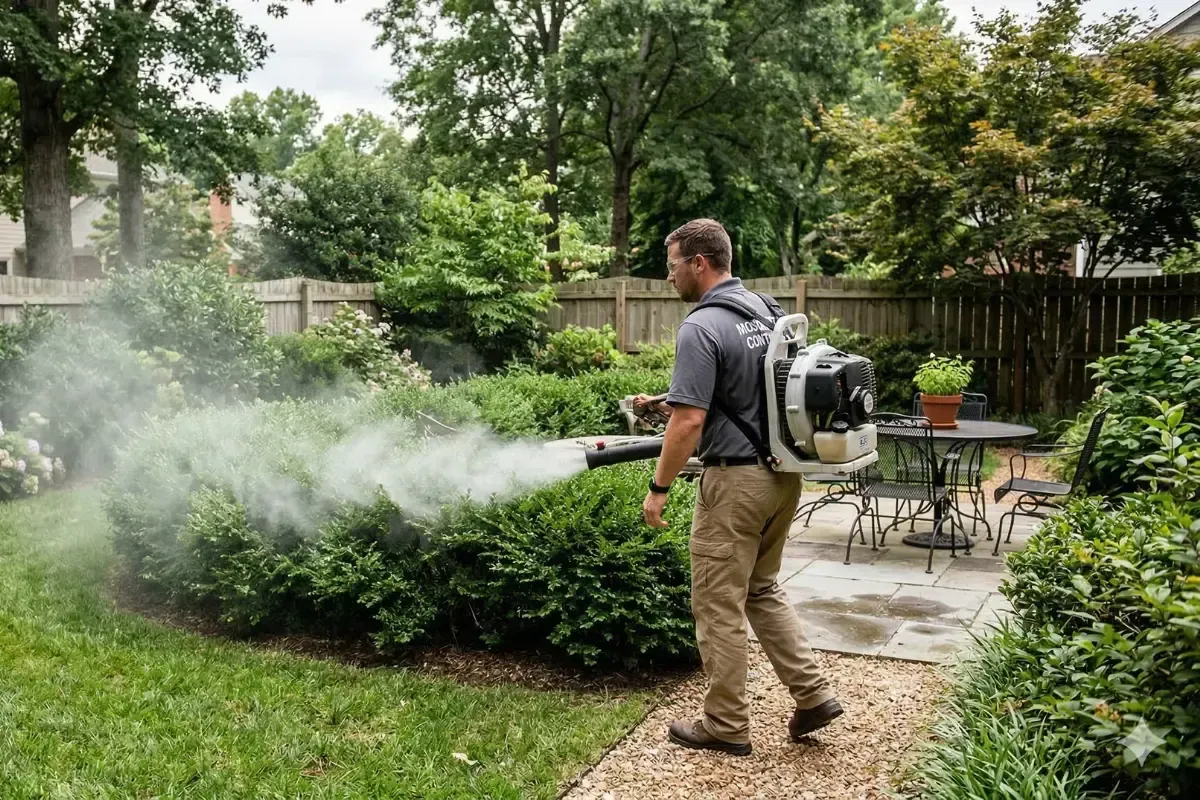
Houston continues to grow our spray tech workforce, and we have a solid team going into 2026. Our organic pest control services have really taken off, comprising about 40% of our services.


We’re also now franchising Carolina Turf. By expanding our reach through our franchise model, we aim to spread the ethos of eco-friendly, organic lawn care practices across the nation, creating a ripple effect of positive change. Together, we can create greener, healthier communities for all.


Sign up for our services: www.carolinaturf.com/our-services 


Become a franchisee: franchisecarolinaturf.com

A school groundskeeper spaying the lawn
By Carolina Turf February 24, 2026
A review of The Monsanto Papers by Carey Gillam, exploring the Roundup cancer trial, the internal documents revealed in court, and what it means for homeowners today.
Frozen grass in february
By Carolina Turf February 17, 2026
Learn how February lime and organic corn gluten applications balance Raleigh-Durham’s acidic red clay and prevent weed germination for a healthier spring.
A green, weed-free organic lawn in front of a two-story house
By Carolina Turf February 9, 2026
Is your lawn pesticide shrinking more than just the weeds? Read why your husband should be concerned.
Sign that readslLawn care application today. Please keep off grass until dry.
By Carolina Turf February 2, 2026
For 50 years, we were told the science on glyphosate was settled, but Monsanto's unsealed internal documents and scientific evidence retraction tell a darker story.
A pregnant woman holding her belly in a yellow dress
By Carolina Turf January 26, 2026
Is there a link between lawn pesticides and infertility? Learn how obesogens disrupt hormones and why organic lawn care and pest control protect your family.
A dormant lawn during the winter in Raleigh, NC
By Carolina Turf January 13, 2026
We break down essential tips for managing pH levels and stopping poa before it takes over. Find out how to prep your grass using organic methods this winter.
Crabgrass
By Carolina Turf October 21, 2025
Stop crabgrass before it starts with organic pre-emergents and healthy soil. We explain why grassy weeds like crabgrass don't respond to broadleaf weed control.
C
By Carolina Turf July 29, 2025
See why this Fuquay-Varina yard is our Organic Lawn of the Month. Lush grass, clean mulch beds, and zero toxic chemicals—thanks to our organic weed control and bed maintenance services.
Armyworm damage vs. brown patch damage on lawn
By Carolina Turf July 17, 2025
Learn how to tell the difference between armyworms and brown patch fungus, and what to do next to protect your lawn.
The MAHA Report
By Carolina Turf June 2, 2025
The MAHA report outlines a growing public health crisis linked to the cumulative chemical exposure, with pesticides called out as a major concern.
Show More