Organic Weed Control & Fertilization
Build a thicker, healthier lawn using natural fertilizers, pre-emergent, and post-emergent weed control that's safer for people, pets, and bees.
How the Organic Weed Control Program Works
Healthy lawns naturally crowd out weeds. When grass is thin and patchy, opportunistic weeds can thrive in those bare areas. Rather than relying on toxic synthetic herbicides and quick-release fertilizers, our program strengthens your lawn over time through natural fertilization, soil improvement, and weed management.
Our weed control & fertilizer are applied every 5-6 weeks – about 8 applications per year. During the growing season, we treat
broadleaf weeds with our organic weed control solution and apply liquid or granular fertilizer to bring nutrients to your lawn.
In the off-season, we apply a natural pre-emergent (corn gluten meal) to help prevent the growth of grassy weed seeds like crabgrass and Poa. We also spread lime to raise the pH of our naturally acidic, clay-based soil here in North Carolina.
Ingredients
Weed Control
- Soybean Oil
- Citric Acid
- Water
- Soap
- Vegetable glycerin (coconut-derived)
Fertilizers
Liquid Fertilizer
(NPK ratio of 13-1-2)
Derived from: Bat guano, Worm castings, Kelp, Potassium Nitrate, Magnesium Sulfate, Ammonium Sulfate, Ammonium Phosphate, Magnesium Nitrate, Urea, Manganese Sulfate, Zinc Sulfate, Zinc EDTA, Copper Sulfate, Copper EDTA, Iron Sulfate, Iron EDTA, Sodium Borate, Sodium Molybdate. Non-plant food components: Mycorrhizae, Humic Acid
Granular Fertilizer Milorganite (NPK ratio of 6-4-0)
Derived from: heat-dried biosolids
Pre-Emergent
Corn gluten meal
Soil Amendment
Lime pellets
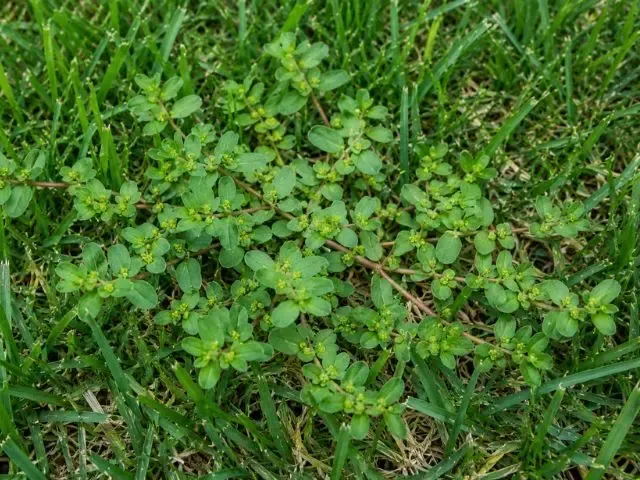
Broadleaf Weeds
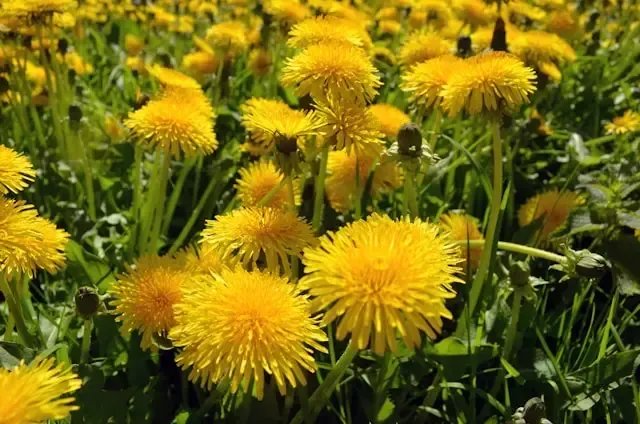
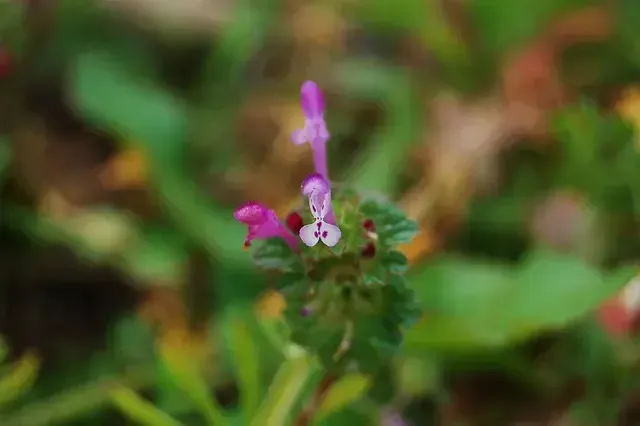
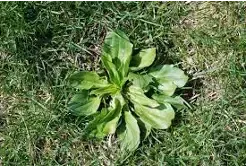
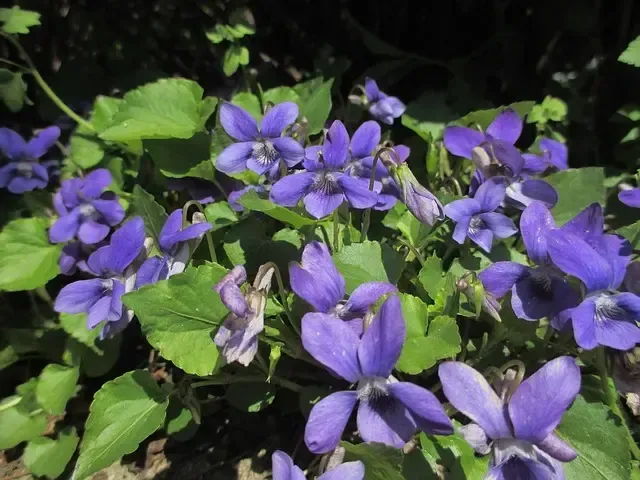
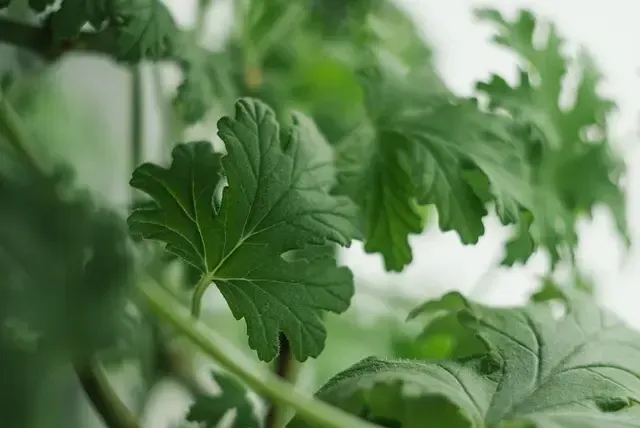
Broadleaf weeds are biologically different from turfgrass (dicots instead of monocots) allowing selective herbicides to target the weeds while leaving the lawn unharmed. Our weed control spray will kill broadleaf weeds within 7 days of application.

Grassy Weeds
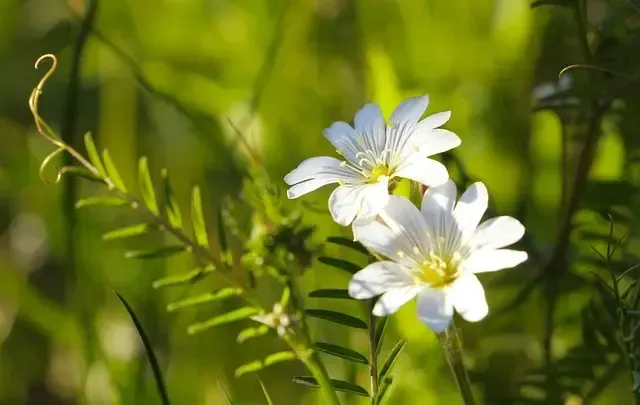
Grassy weeds (monocots) are closely related to turfgrass, which means they can't be selectively removed the way broadleaf weeds can. An organic treatment strong enough to kill established grassy weeds would also kill your lawn. That's why our approach focuses on preventing grassy weeds from germinating through organic pre-emergent applications in late fall and early spring.
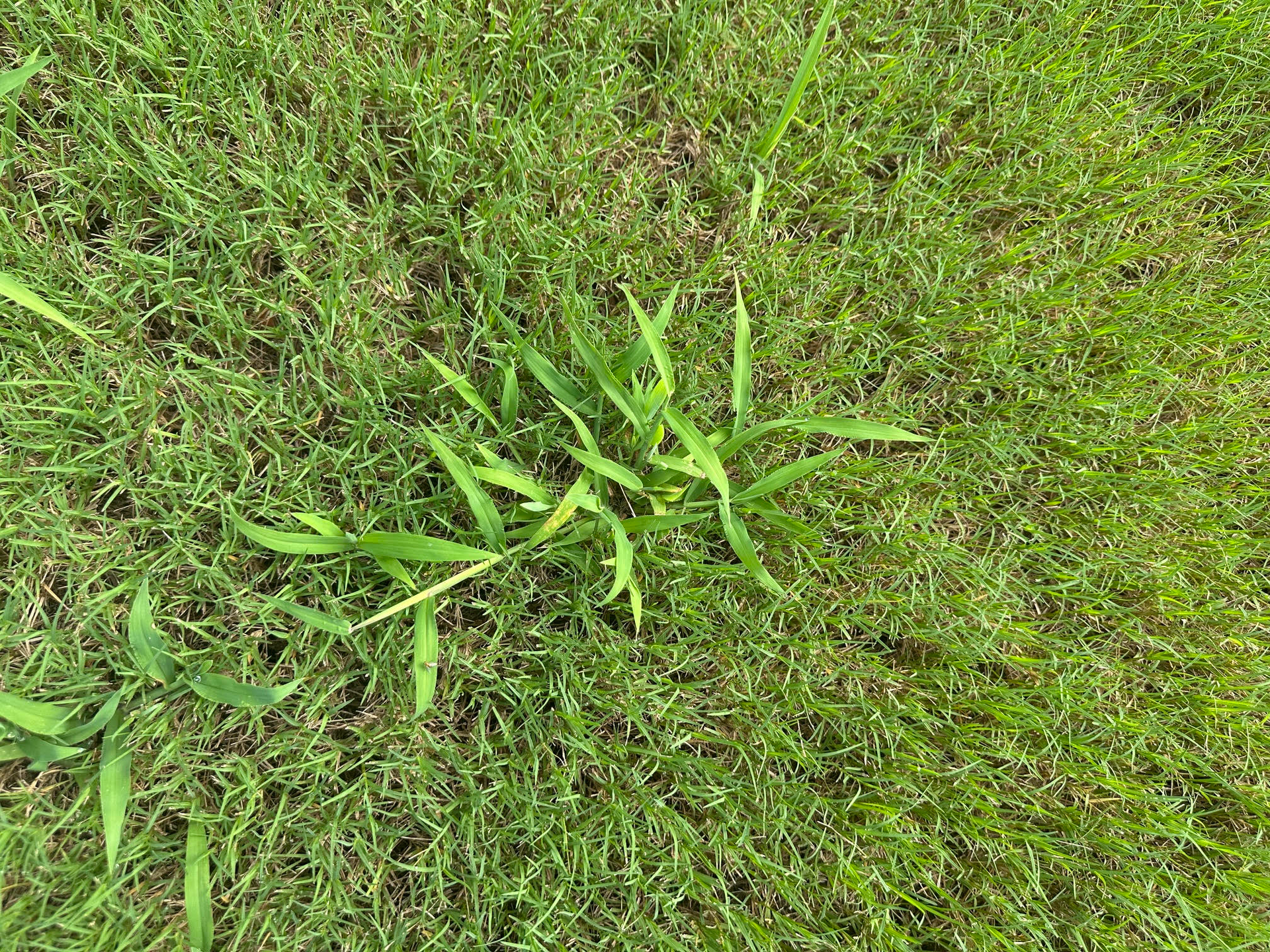
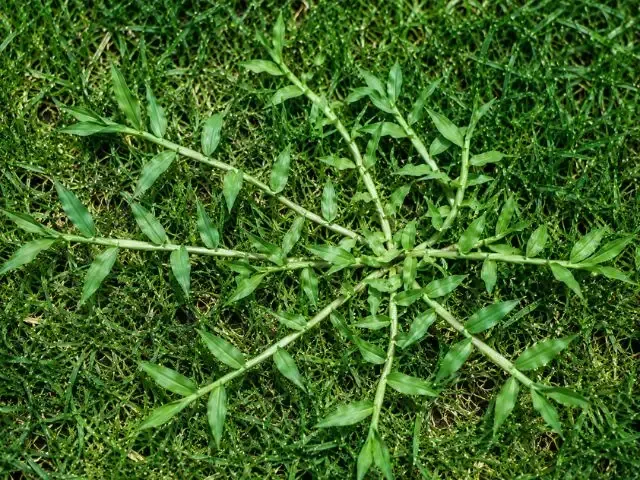
Crabgrass
A summer annual grassy weed that germinates in the spring and becomes most noticeable in July and August. We help prevent crabgrass with organic pre-emergent applied before seeds germinate in early spring.
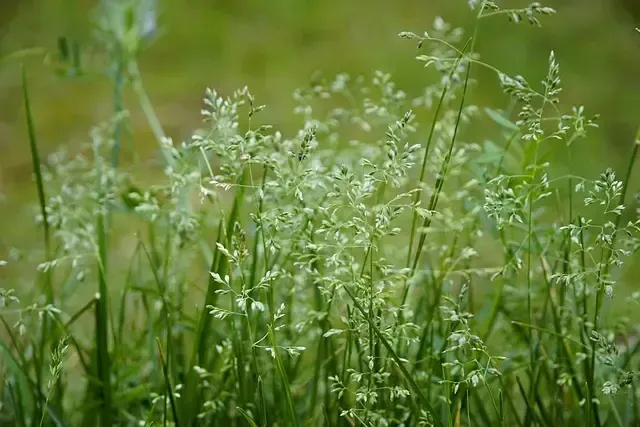
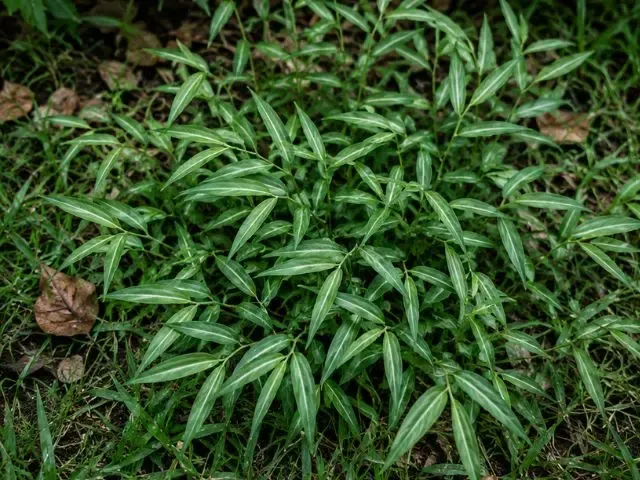
Poa Annua
A cool-season annual that germinates in the fall and produces distinctive white seed heads in early spring. Our late fall pre-emergent applications help reduce new poa annua before it emerges.
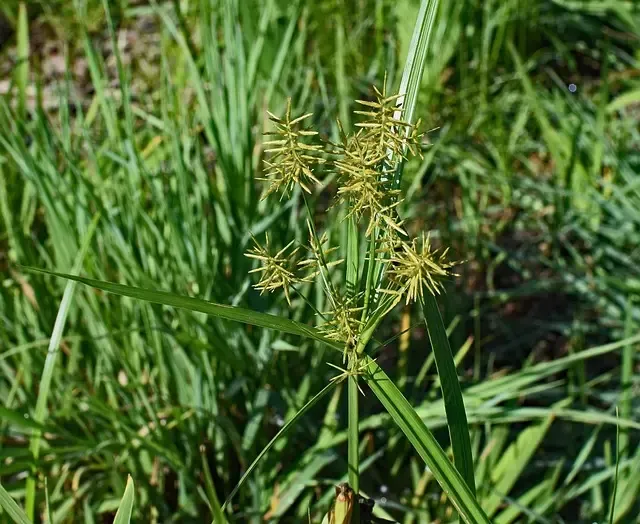
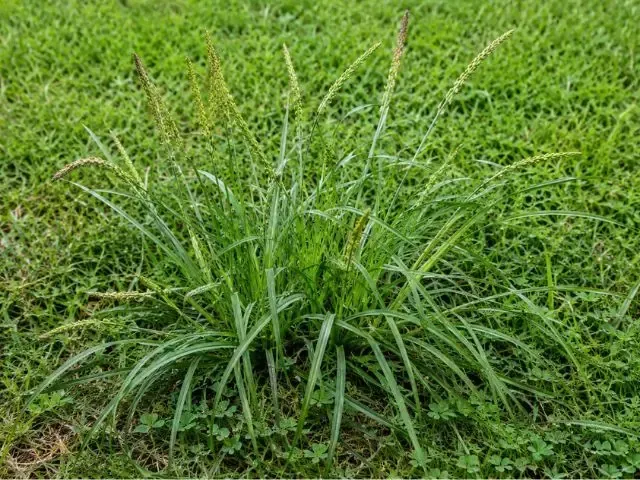
Goosegrass
A summer annual that thrives in compacted soil and high-traffic areas such as sidewalks. It germinates in the spring, making early pre-emergent applications the most effective strategy.
FAQs
Have more questions about our organic weed control? Here are answers to some of the questions we hear most often from North Carolina homeowners.
Does your organic weed control treat crabgrass?
Crabgrass is one of the hardest weeds to treat, even with traditional chemicals. Once it's established, crabgrass is difficult to control because it's a grass with the same basic structure as your lawn. An organic post-emergent treatment strong enough to kill the crabgrass would also kill your lawn.
We try to prevent crabgrass from developing roots by applying an organic pre-emergent (corn gluten meal) when it germinates in the spring. Because it's an organic product, it generally isn't as consistent or long-lasting as synthetic pre-emergents, and its effectiveness depends more on weather conditions.
If your priority is maximum crabgrass prevention, synthetic pre-emergents such as Barricade (active ingredient: prodiamine) are generally much more effective, often providing around 85% to 95% control when applied correctly. That said, we don't use synthetic pre-emergents. Prodiamine has been classified by the EPA as "possibly carcinogenic to humans", and it can also be toxic to aquatic organisms and earthworms.
Everyone has a different comfort level with that tradeoff, but it's not something we would put on our own lawn, and it's not a product we use as a company.
Can you get rid of poa?
Poa annua, also called annual bluegrass, is one of the most common grassy weeds in North Carolina lawns. Because it's a grass (a monocot), it has a very similar structure to turfgrass making it difficult to remove without also damaging your lawn.
Poa begins germinating in the fall as temperatures cool. It grows slowly throughout the winter and often goes unnoticed until early spring, when it produces its distinctive white seed heads. Each plant can produce hundreds of seeds, allowing the problem to return year after year if left unmanaged.
Our strategy is to prevent poa annua before it germinates by applying organic pre-emergent (corn gluten meal) during the fall and winter. While organic pre-emergents are generally less consistent and shorter-lasting than synthetic products, they help reduce new plants without introducing harsher chemicals into your lawn.
The good news is that once daytime temperatures consistently reach around 90°F, the plants naturally die off. Unfortunately, by that point they have often already dropped seeds for the following season, which is why fall prevention is much more effective than trying to treat mature plants in the spring.
Will your products work on nutsedge?
Nutsedge is one of the more challenging weeds to manage because it spreads through underground tubers rather than just by seed. As a result, pre-emergent products are generally ineffective, and there isn't an organic treatment that will selectively control it without harming the surrounding lawn.
The best way to discourage nutsedge is to improve the growing conditions for your lawn. It tends to thrive in areas with excess moisture or compacted soil, so improving drainage, relieving soil compaction through aeration, and maintaining a thick, healthy lawn can help reduce it over time.
We areate and seed fescue lawns in September. If you have a warm-season lawn (bermuda, zoysia, centipede, St. Augustine), we aerate in June. While that won't eliminate existing nutsedge, it can make your lawn less favorable for future growth.
Can I get a quote?
Yes. For 99% of properties, we can estimate your service cost using satellite measurements—no in-person visit required. You can also look up your property size on Zillow. We include the house and driveway in our measurements but exclude wooded areas.
Once you know your property size, simply choose your services and sign up on our Our Services page. We'll typically perform your first service within a week, email you the day before we arrive, and won't charge your card until after the service is completed.
If you'd prefer us to come in-person, we offer on-site quotes for $60, which is credited toward your first service. We'll just need your name, address, phone number, and email address to schedule the visit, and we'll send you a secure payment form.
Call 888-215-0073 for assistance Monday-Friday 8am-5pm.